Double tryout

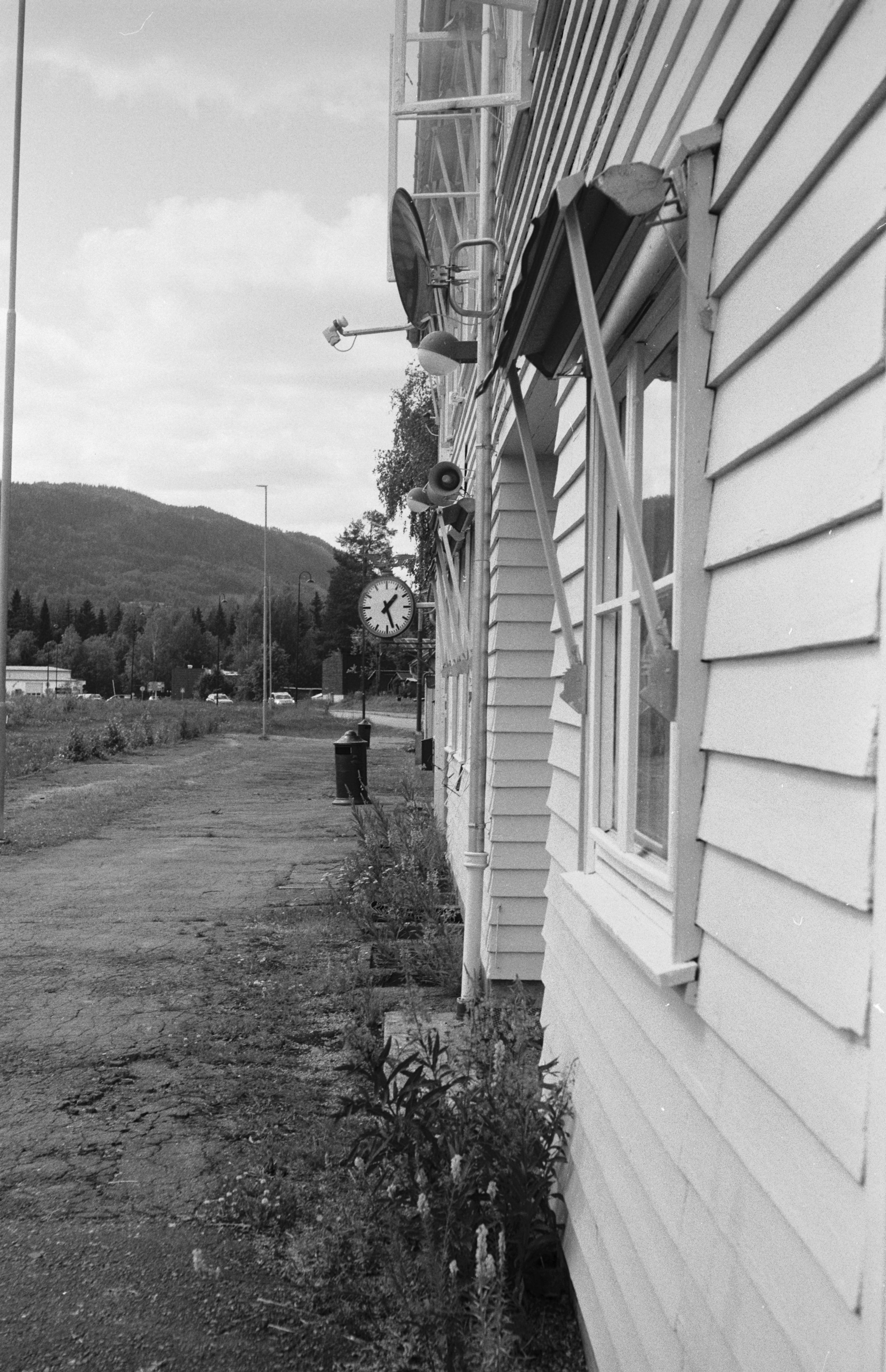
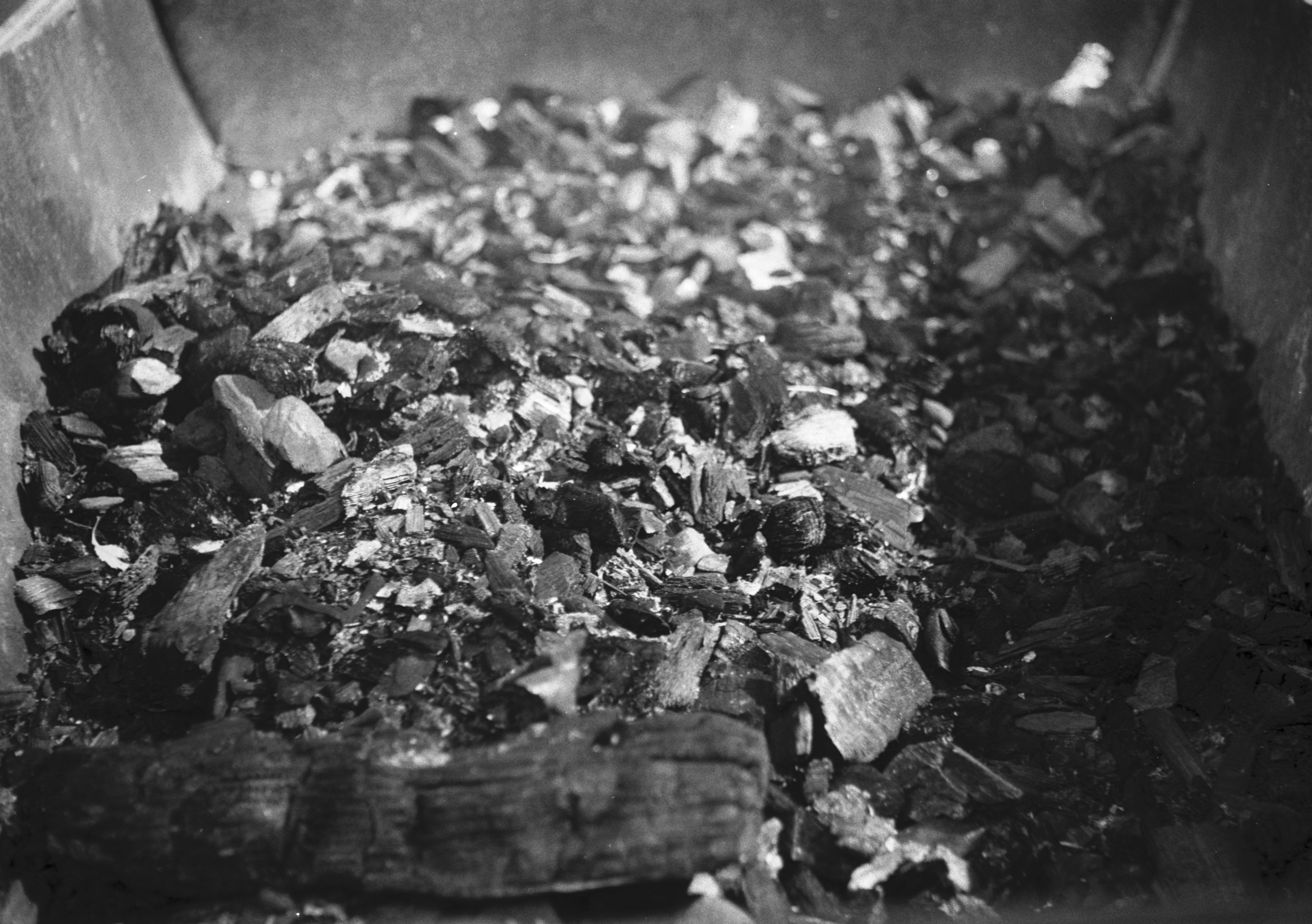
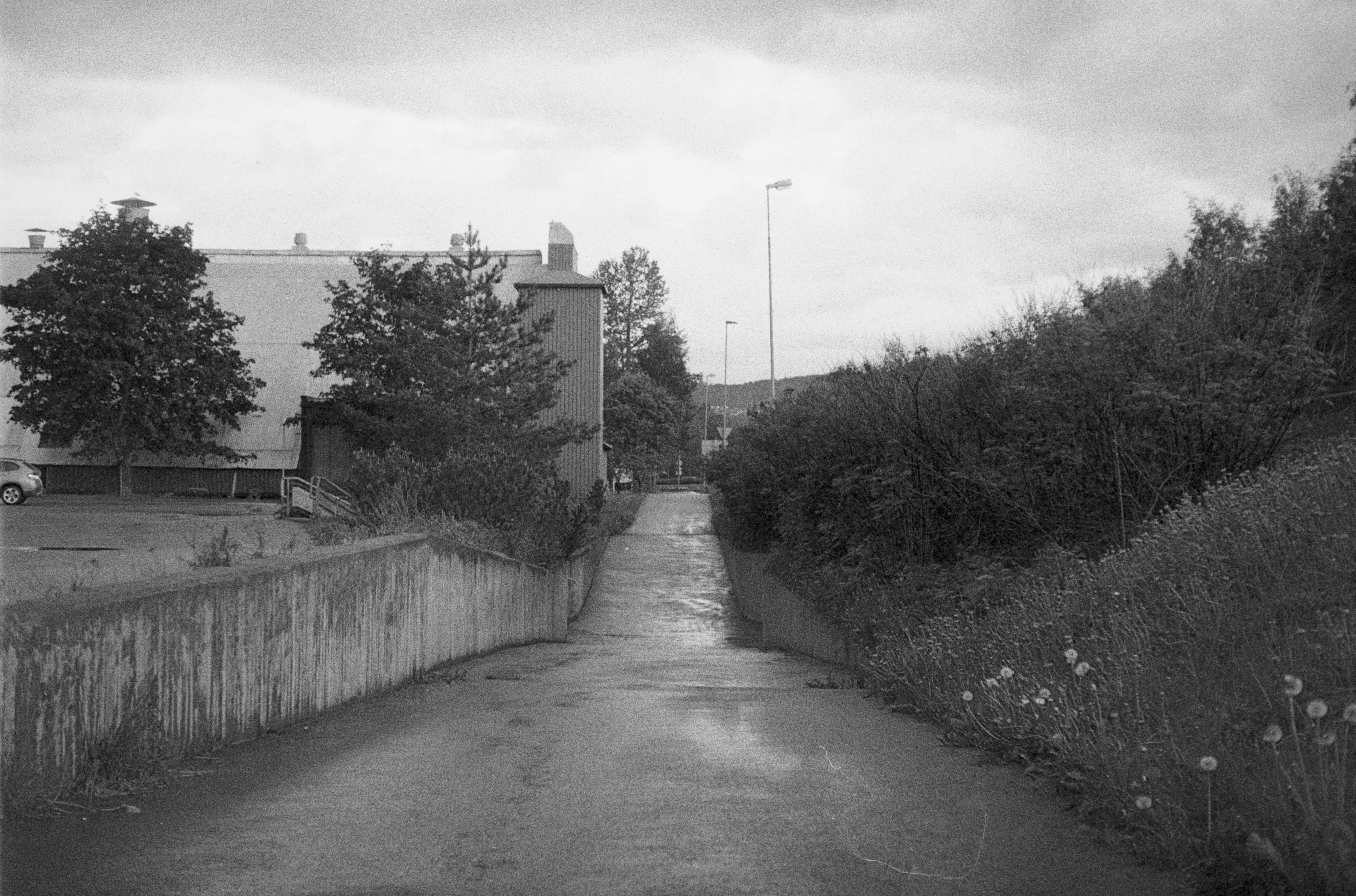
A few months ago, I ordered a few rolls of StreetCandy ATM 400 off their own website. From previous experience I know that street film is very contrasty and that they are great to pull. I put one of the rolls in a new camera that I bought and planned to take it for a little spin around the area, looking for architectural shapes, trying to find shadows and deep contrasts. The trip did not happen because of Norwegian summer and some weeks of rain and dull weather.

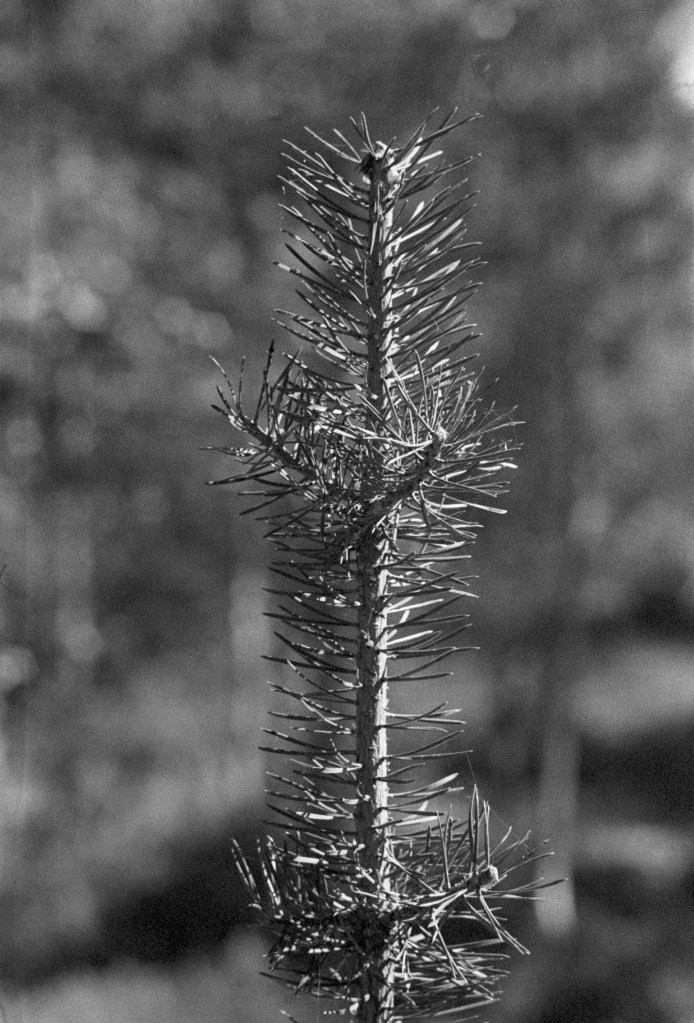
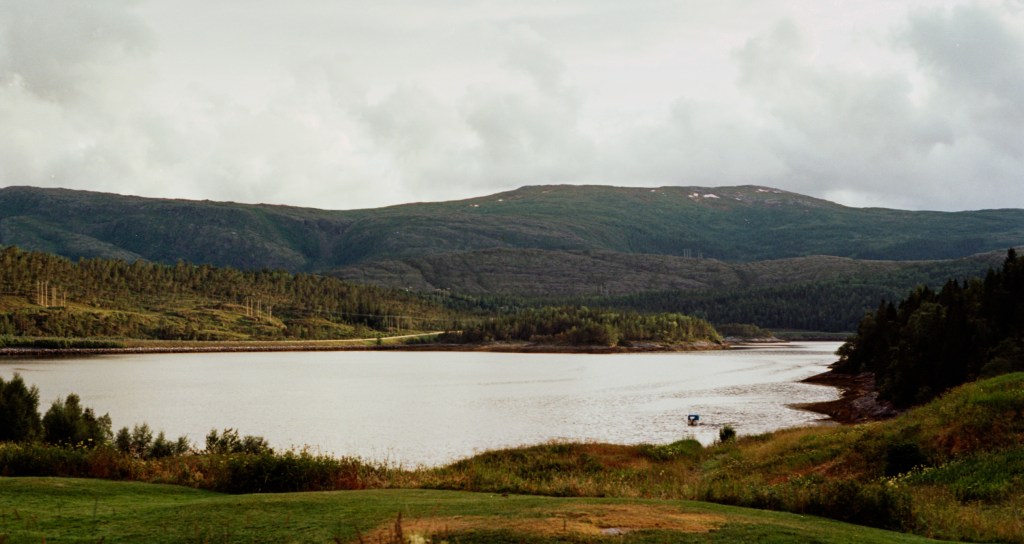
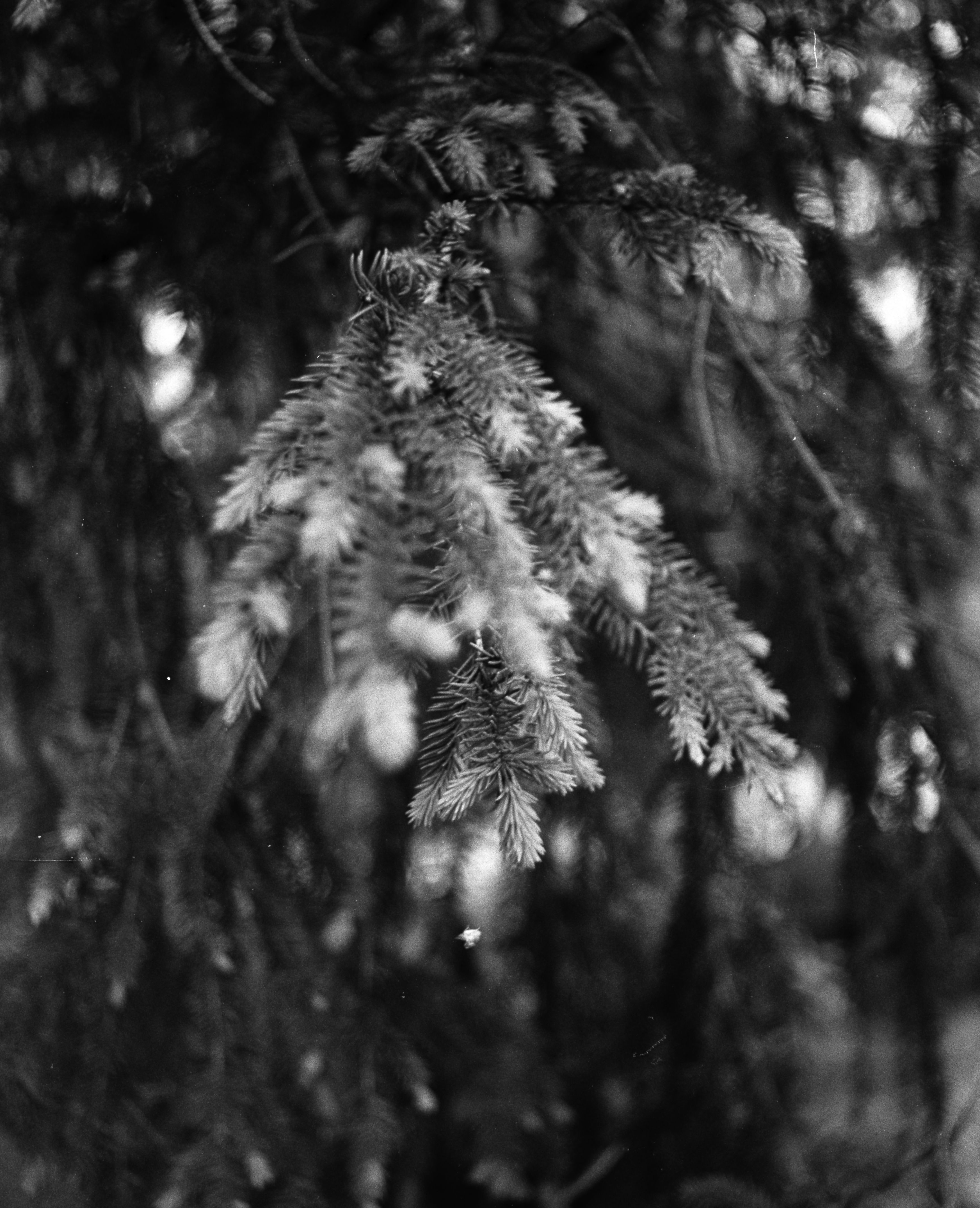
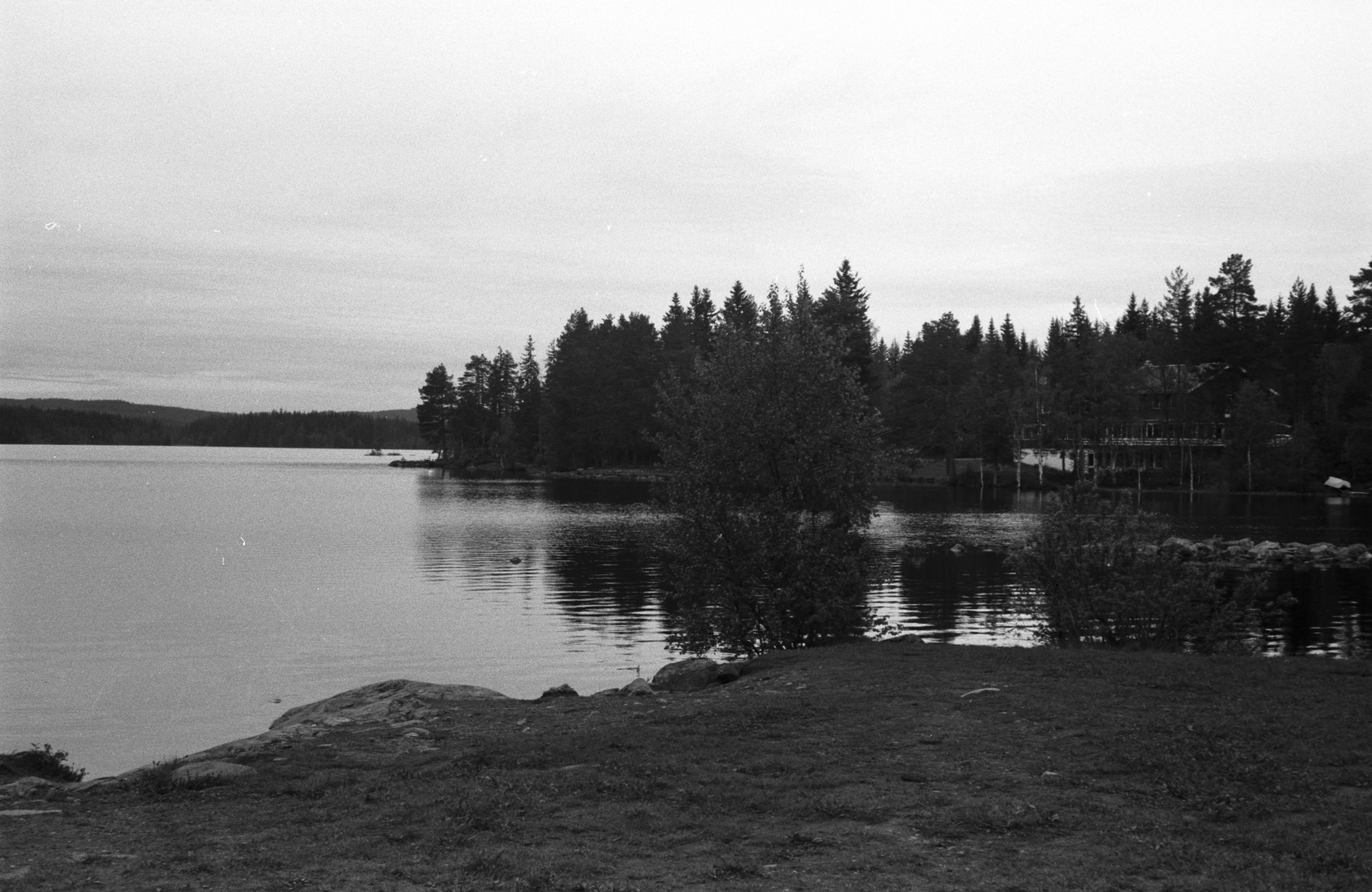
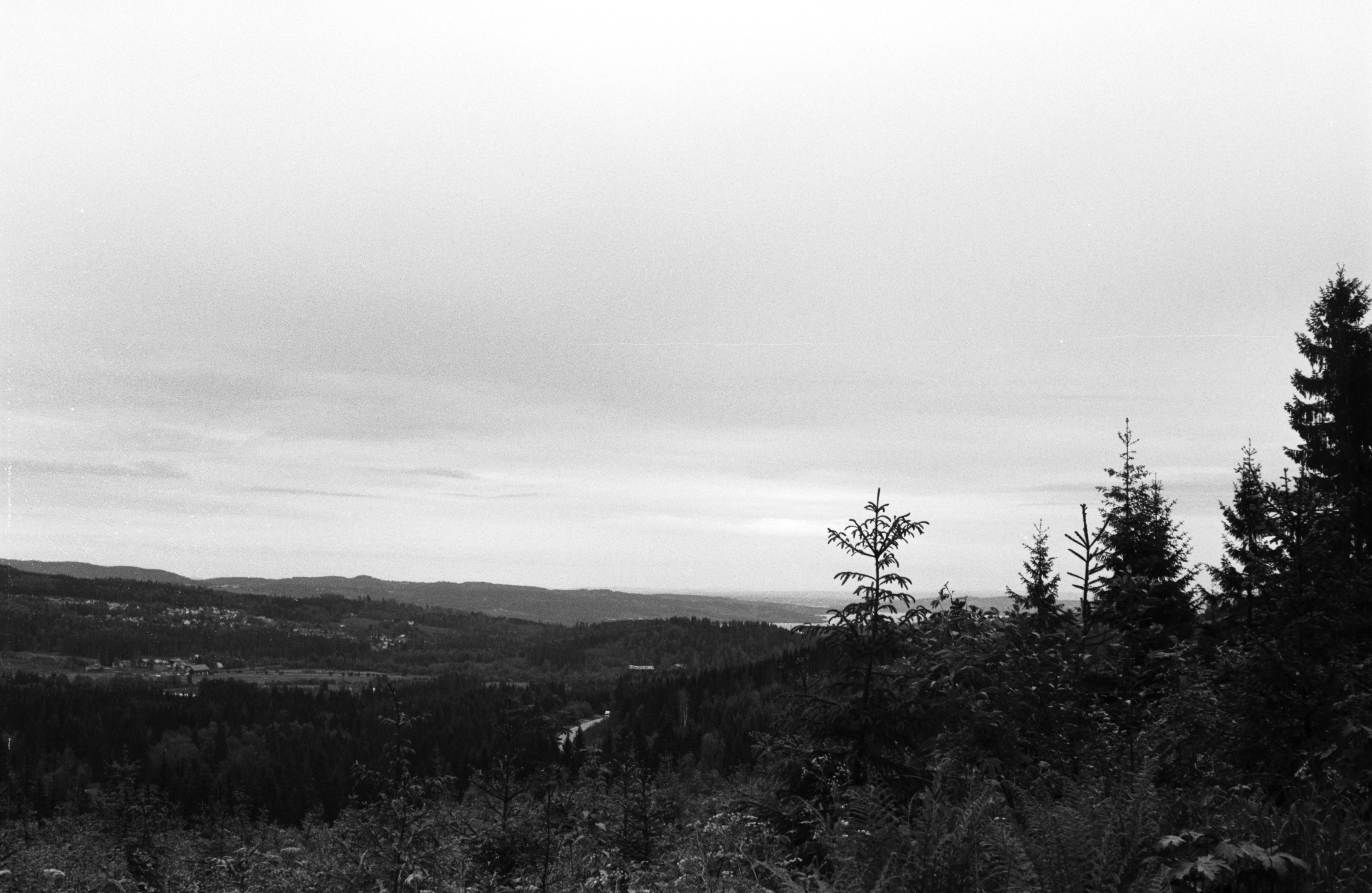
The other day though, I went out for a hike in the forest looking for some sheep and forest details to photograph. I decided to try out the Street Candy at box speed for this trip, and I shot the whole roll of film that was in my camera.

The Camera

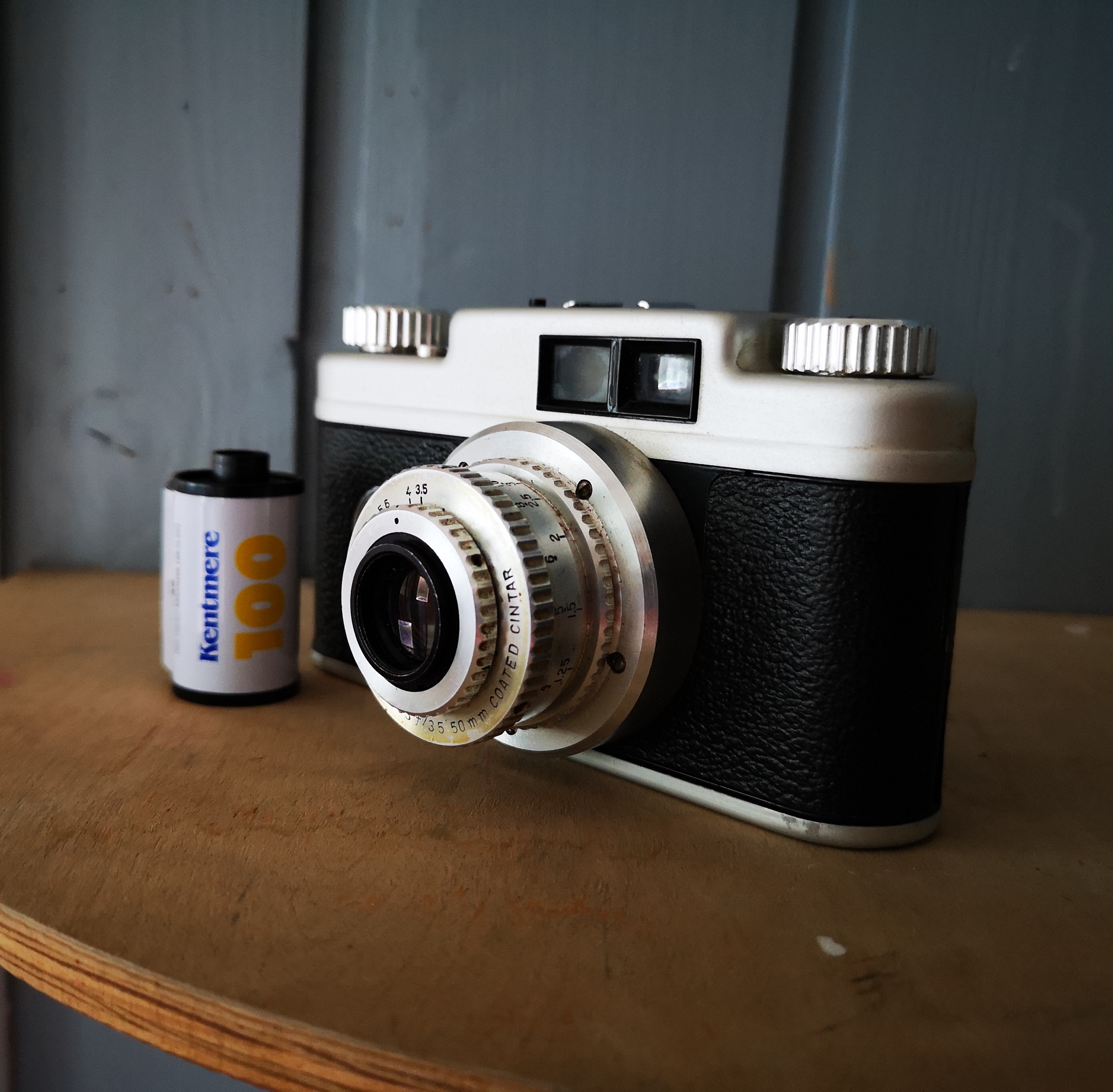
I love old, interesting and manual cameras. I often frequent thrift-shops and charity shops to see what kinds of old, forgotten and dusty stuff they have on their shelfs. On a recent trip to a local charity shop, I picked up a Weist SL35 with a «Super Weistar 135mm» lens. I have tried to google the camera, but not much came up. The best lead is that it could be a rebadged Chinon CX. Nonetheless, it is heavy as a brick and feels sturdy and solid in your hand.
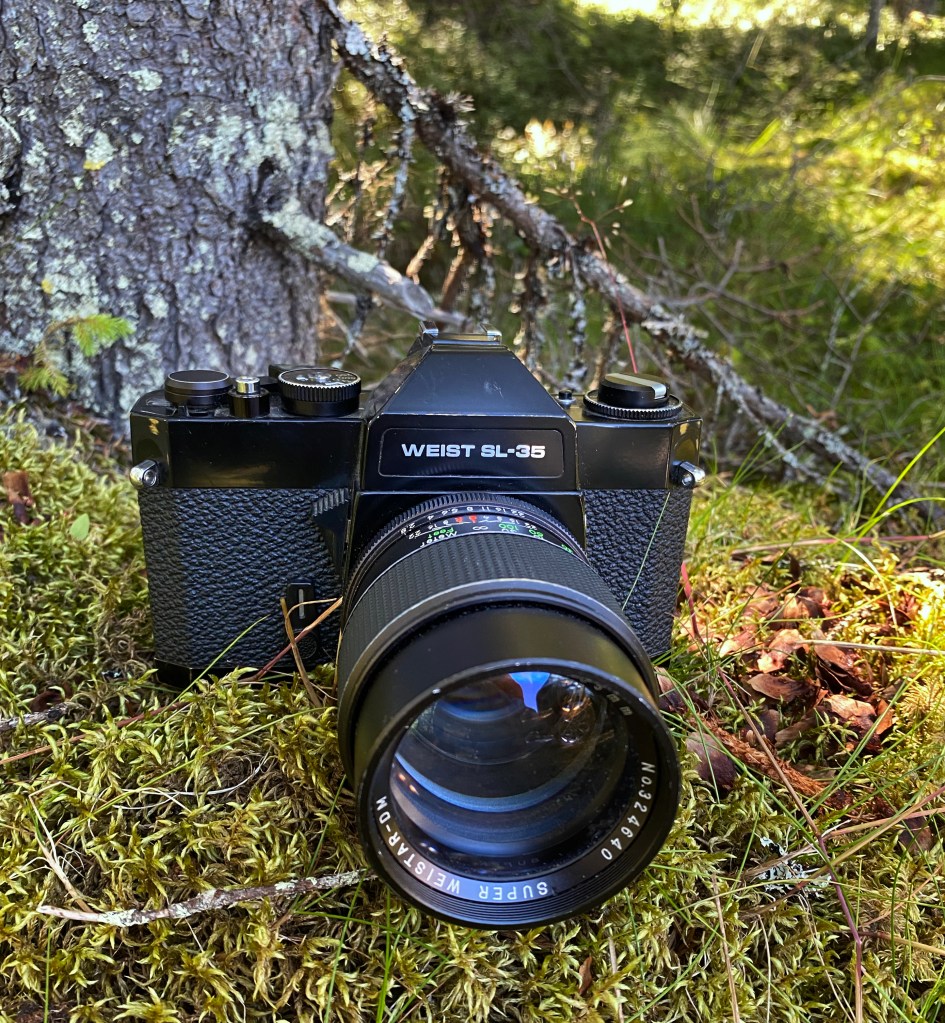
I am happy for any details on this camera, as I do not know much about it other than that it seems to work perfectly and accurately. Even the lightmeter is working and fairly accurate based on this shoot.

Reklamer

This was my first time trying out this camera, and I must say that this camera will become a frequent companion for me. the M42 screw mount makes me able to use some of my favorite lenses, and it is surely more accurate than my Zenith Olympic Edition.

The film

As I stated earlier, the film I used on this trip was a Street Candy ATM400 street film. You can buy it from the manufacturer’s own website and at a fairly decent price. Be aware that they use the slowest shipment partner you can imagine. From their address in France to mine in Norway, it used more than two months. I have tried to imagine how that can even be possible. In the current Covid-age I could have traveled to France, stayed two weeks in quarantine, picked up the film, traveled back to Norway, stayed two weeks in quarantine. This whole process would have been a quicker way of getting the film, than using their shipment partner.

My guess is that their films are delivered by just one man, picking the film up at their address, walking to a port somewhere in southern France. Who then jumps in a rowing boat, rowing around Gibraltar and over the Nordic Sea to deliver it. Probably.

Reklamer

From their own website, you can learn something about this film. It is a medium speed, 400 ISO, film originally made for surveillance cameras to keep people safe. In the modern days, these systems have turned digital, and the films are unnecessary. Street-Candy has made this film available for film photographers to use, and I am truly grateful. This film is great, even when I took it out of its comfort zone and into the first.
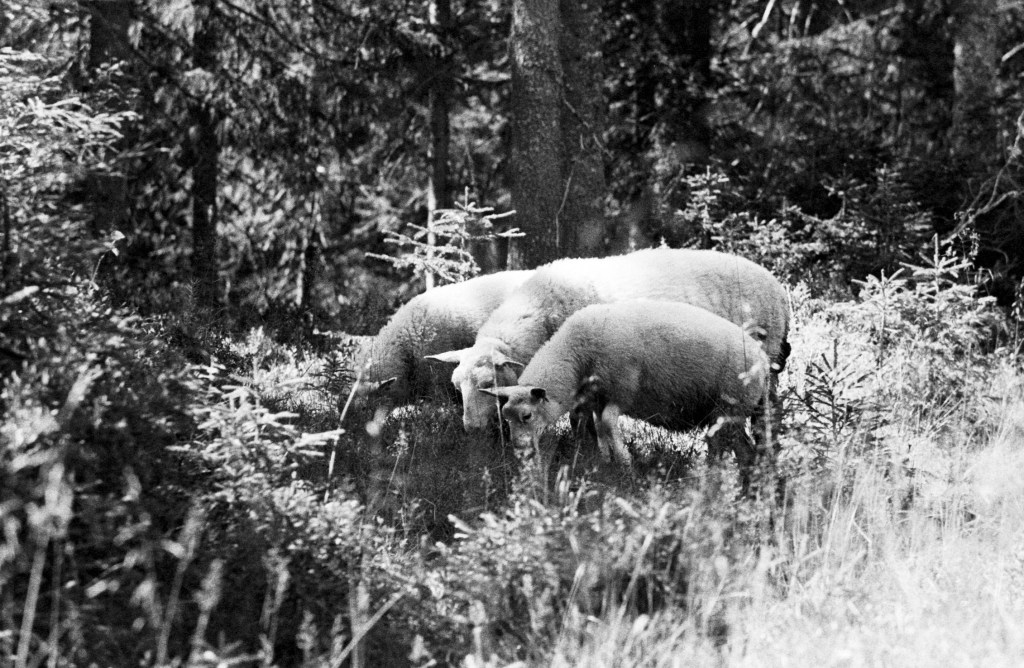
Not what it was originally made to photograph.

The grain-structure is beautiful and very fine for a 400 ISO film, but as most other street films, it is very contrasty. In my negatives I saw the contrast immediately, and some were to contrasty to turn out anything in this setting, and a normal Tri-X or HP5 would maybe be a more suitable choice for this kind of shoot, but some of the results were really unique.

On Street-Candy’s website, it advised to refer to the same development cycle as for Ilford HP5 plus, which I did on this cycle. Eight and a half minutes in Xtol 1+0 and then normal stop and fix, rinse and Photoflo.

Reklamer

I am looking forward to trying out my other rolls of this film both for proper street photography and pulled one stop for portraits. I can imagine brilliant results from this film. I am also surprised to see how well it coped in the forest with the sheep and structures I found out there

All in all I am very happy with both the camera and the film, and if I would order this film again. If you come over a Weist SL35 at a decent price, it is worth buying. My cost 35 Norwegian kroner, approx 3,5 Euros.

There are always two people in every picture: the photographer and the viewer.

Ansel Adams

Zeiss Nettar and color film?

One of my absolute favorite cameras is my Zeiss Ikon Nettar. A little German bellow-camera from very long ago. I am not sure about the real age of this camera, but I know that it is from the late 40’s early 50’s. Being a bellow-camera, the shutter is mounted in the lens, and you have no range-finder or any focus help other than your eyes or some clip-on range finder system if you want to use that. Personally, I don’t use this camera for any work that would require the most precise focus, and I usually go without measuring or using «safe» aperture settings.

My Zeiss Ikon Nettar, and a box of KODAK Ektar

Because of its age, the Novar Astigmat lens was probably never meant to deal with colour films, and especially not high saturation films like the Ektar. I was therefore curious to try it out and see how an old lens and an old camera would perform with a film like this.
To help the camera a bit, I used an UV-filter. The Nettar does not have a filter ring that can support any of my filters, so I used a cheap 52mm UV-filter and held it in place with my fingers while shooting.

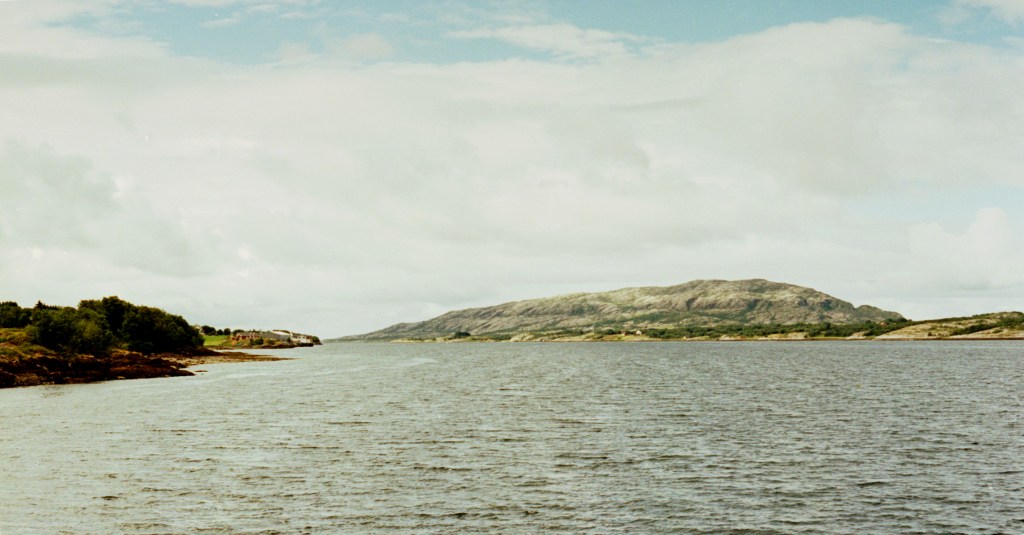
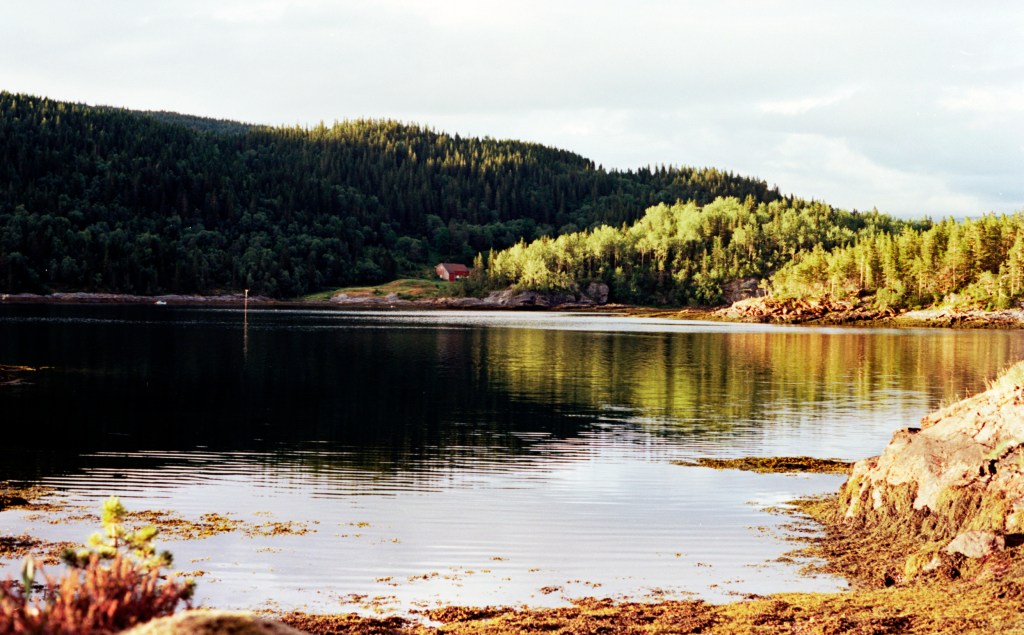
The images are taken while waiting for a ferry at Forvik in Vevelstad, Northern Norway in the region Helgeland. It surprises me how well the Nettar deals with colour films, and I find the images to be really high quality.

Images are developed at home with the Tetenal C41-home system using a Paterson tank and a cheap eBay reel. Since I do not own a medium format scanner, I used my Epson Perfection V370 and scanned them in sections and glued them together in Photoshop.

I have not done any colour corrections here, what you dee is what I got, but I have removed some dust and scratches.

Thanks for reading.

Playing with KODAK Ektar

This has been a special year for all of us. Covid 19 has turned everything upside down, and we are more home bound than we usually are. Because of this, I decided to go on holiday in Norway this year, and appreciate the Norwegian nature with some old, cheap equipment and some rolls of KODAK Ektar.

First up, was my Olympus OM-1 and the amazing Zukio 50mm lens. Not a very cheap camera you might say, but I managed to get my OM-1 shipped shipped to Norway for just around 70 euros. That is a real bargain considering the quality and value in use.

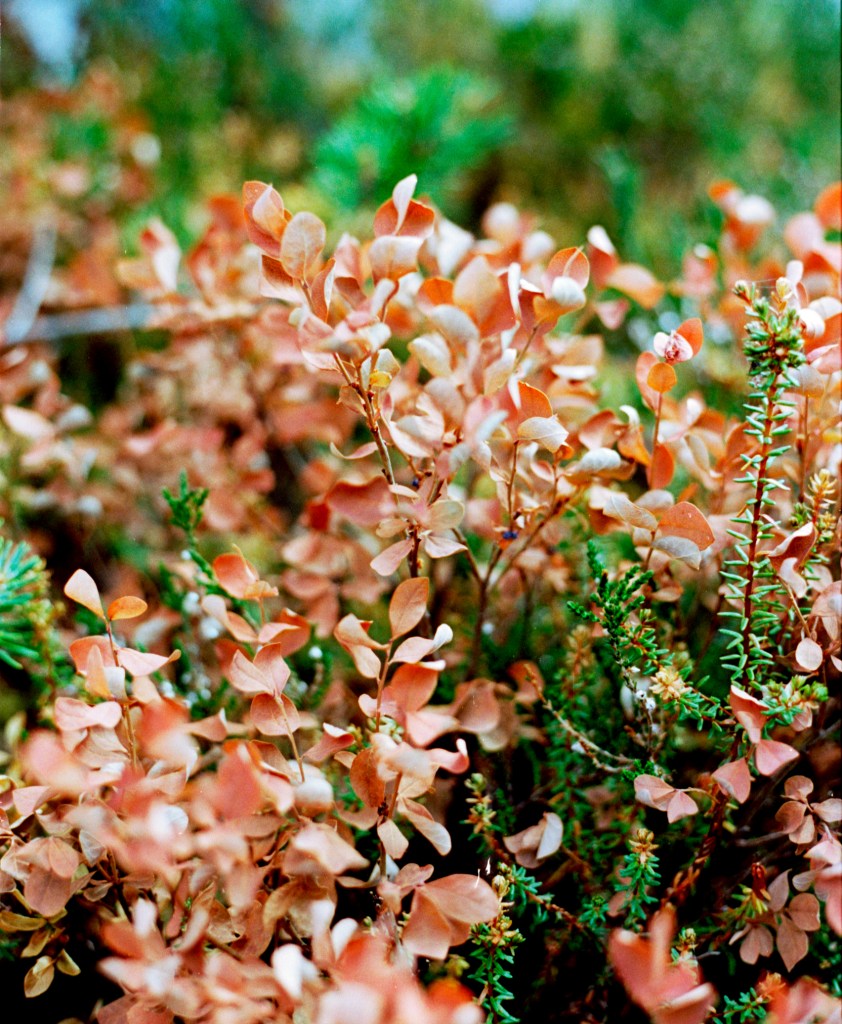
These shots are from the area around Brønnøysund in Northern Norway. Closer description as image text.

All images are developed with the Tetenal C41 home development Kit, and scanned with my PlusTek Opticfilm 8100.

JCH Streetpan 400 for portraits?

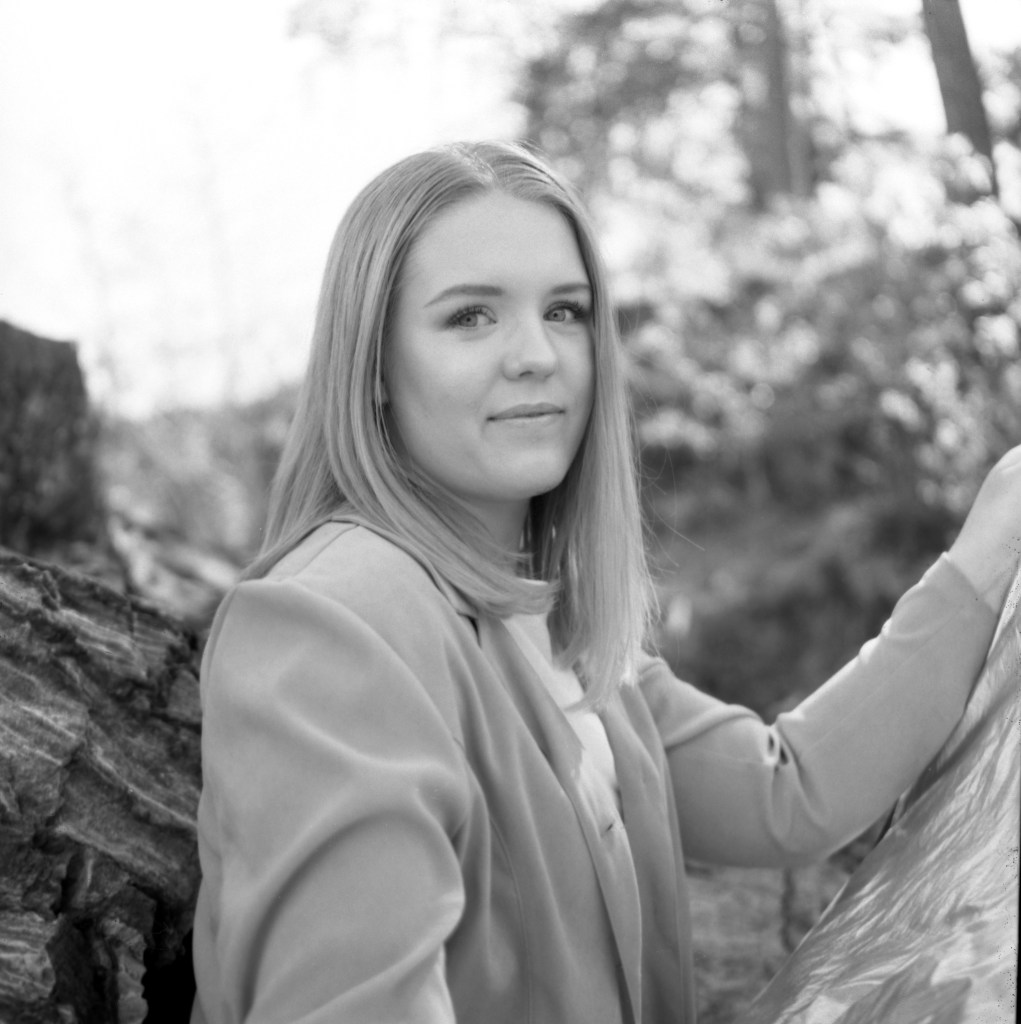
A little while ago, I was given a roll of 120mm film from Japan Camera Hunter named the «Streetpan 400». I tried it out and got beautiful results with high contrasts and exquisitely fine grain for a 400 iso film. The deep contrasts got me thinking. How would this film work for portraiture?

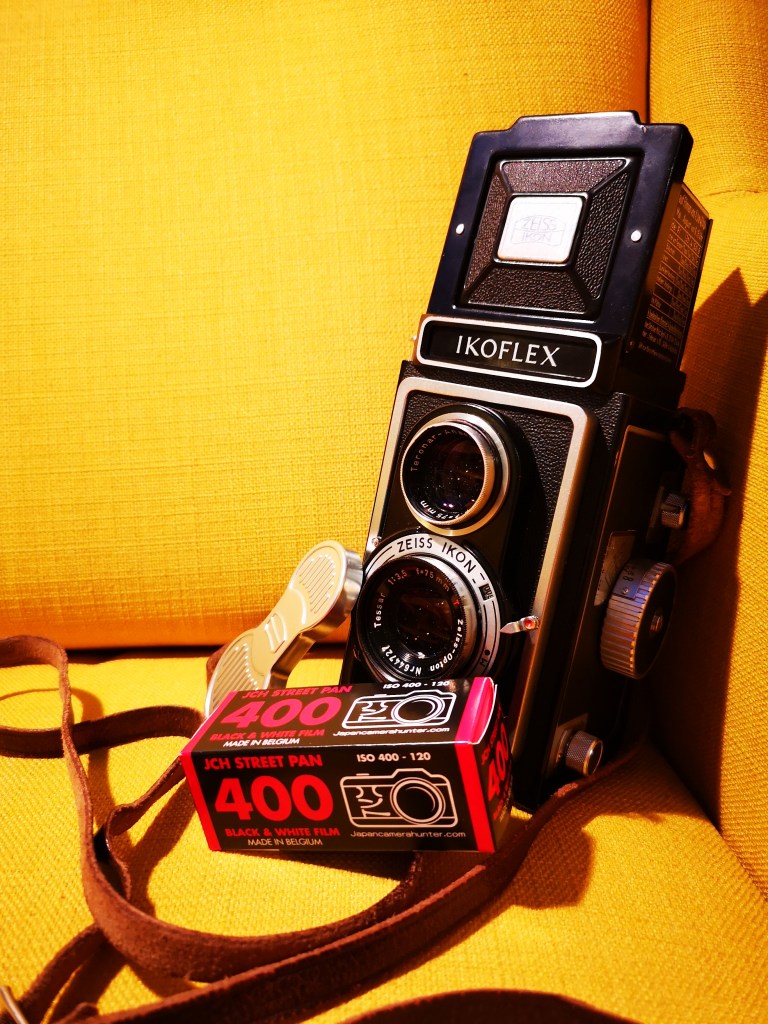
I bought a few rolls directly from JCH in Japan, and due to the Covid 19 situation it took a while for them to arrive. When it finally came I put a roll in my Zeiss Ikon Ikoflex, cheap TLR, and decided to bring it to take some portraits with Ada. We met at Kremmerodden, a lovely location in Norway and took some pictures.

The Zeiss Ikon Ikoflex, with a roll of JCH Street Pan 400

I decided to shoot the film at 200 and develop a bit shorter (pull processing) in order to retain some shadow detail. This film is widely discussed online for its ink-black shadows and high contrast, and for portraits in direct sunlight, this was not my biggest wish.

I will not go deep into anything technical about this film, I am no expert on emulsions and films, and there are millions of reviews and opinions about it available online.

I was very uncertain about how this film would handle being pulled a stop, but I am happy to report that it deals well with one stop over exposure.

My process was:

  • One minute presoak in water to remove the anti-halation layer. This water comes out nearly black.
  • Development in Kodak Xtol 1+1. Development time for this film at 400 is 17 minutes. Since I pulled it one stop, I reduced the development time by 20% and a total development time at 13 minutes 40 seconds with agitation every minute.
  • Water-stop and fix as usual
  • 15 minutes under running water for wash.
  • Final wash with Photoflo

I am happy with the results. What you see here are scanned negatives that have been merged and somewhat cleaned in Photoshop. I will take some of these negatives to the darkroom for printing there later.

Do I like this film for portraits? Yes. I would use this film again for portraits and pull it to 200 for certain portraits. Especially portraits where I want to retain some contrast and get a nice palette of grey. However, for portraits at this location, I’ll probably stick with Ilford FP4 box speed or Kodak Tri-X at 200.

Thanks for reading

“The camera is an instrument that teaches people how to see without a camera.” 

Dorothea Lange

A little test with Kodak Portra 160

For the past years, I have mostly shot digital when doing portrait shoots and other important shoots that involve use of colour. On my recent holiday trip to Denmark, I came across an old fashioned photography shop where they had a sale on «soon to expire» films. On this sale I found a five-pack of Kodak Portra 160, and I decided to give it a go.

I am one of those people who loves to develop films and I decided that colour or B&W, I’ll master the process myself. I did Colour development a few times some years ago, and knew more or less what I was going into, with water baths and temperature control. For chemistry I bought the Tetenal Home kit, which I have to say was really easy to use and fairly idiot proof if you do monitor the temperature.

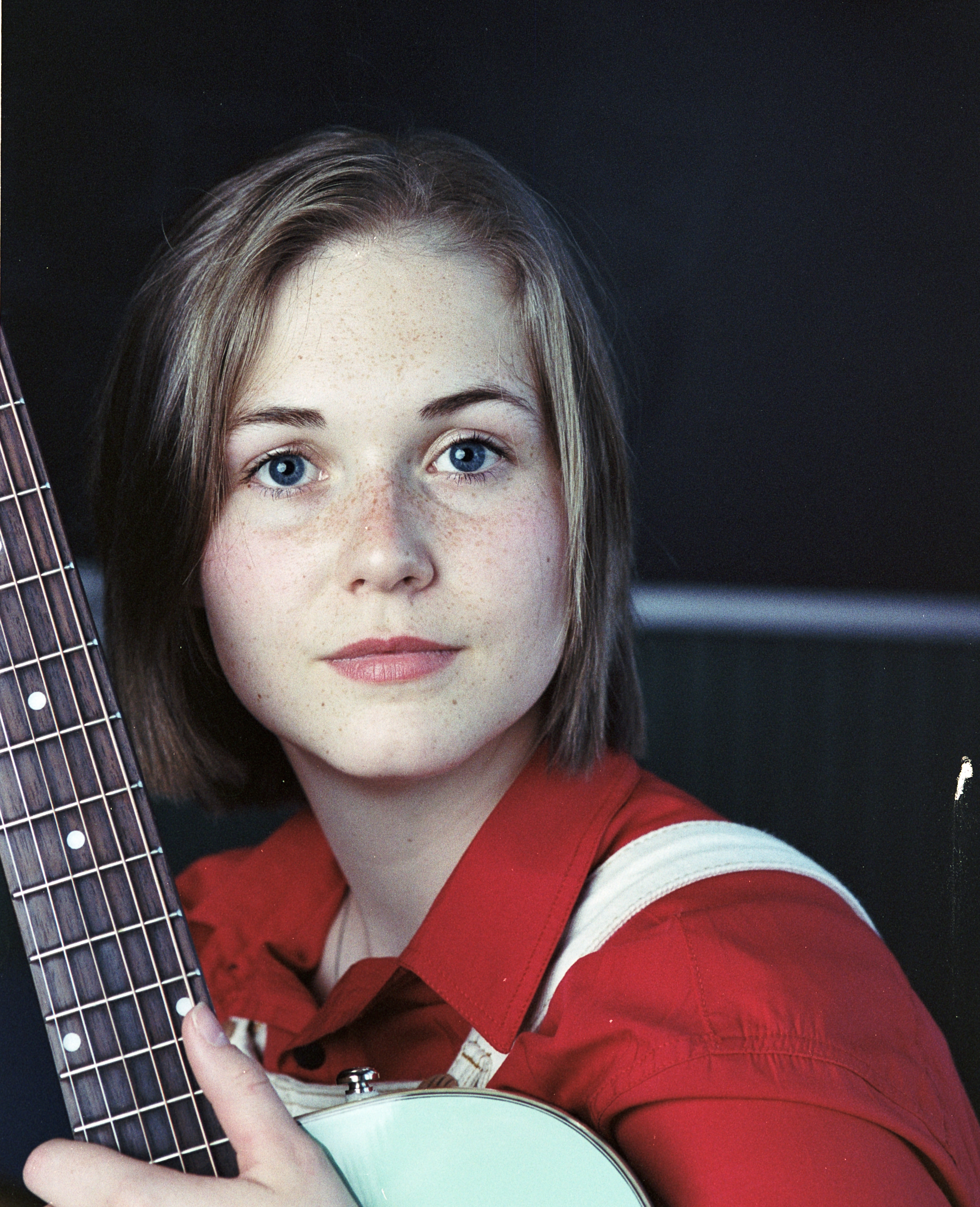
I stuck the Kodak roll into my Nikon F80, and brought it to a TFP-shoot with the lovely Hedda and her guitar. The Portra is well known for giving the nicest skin tones and I was curious about this as well.

Hedda and her Fender caught on Portra 160

I shot the film at box speed and kept it as I normally keep exposed film for a few days until I had the time to develop it.

I was amazed how simple and straight forward the Tetenal process really is. Remembering earlier experience with C41 as rather difficult I had no problems at all mastering this process. I used a Paterson tank and used the «stirring tap» to rotate the reel in the tank, as the process is made for rotation.

I am very happy with how the images turned out. The images you see here are untouched and straight from the Plustek Scanner I use for all my entries.

You can master any process.

“A portrait is not made in the camera but on either side of it.”

Edward Steichen

Sunny day at Dokka

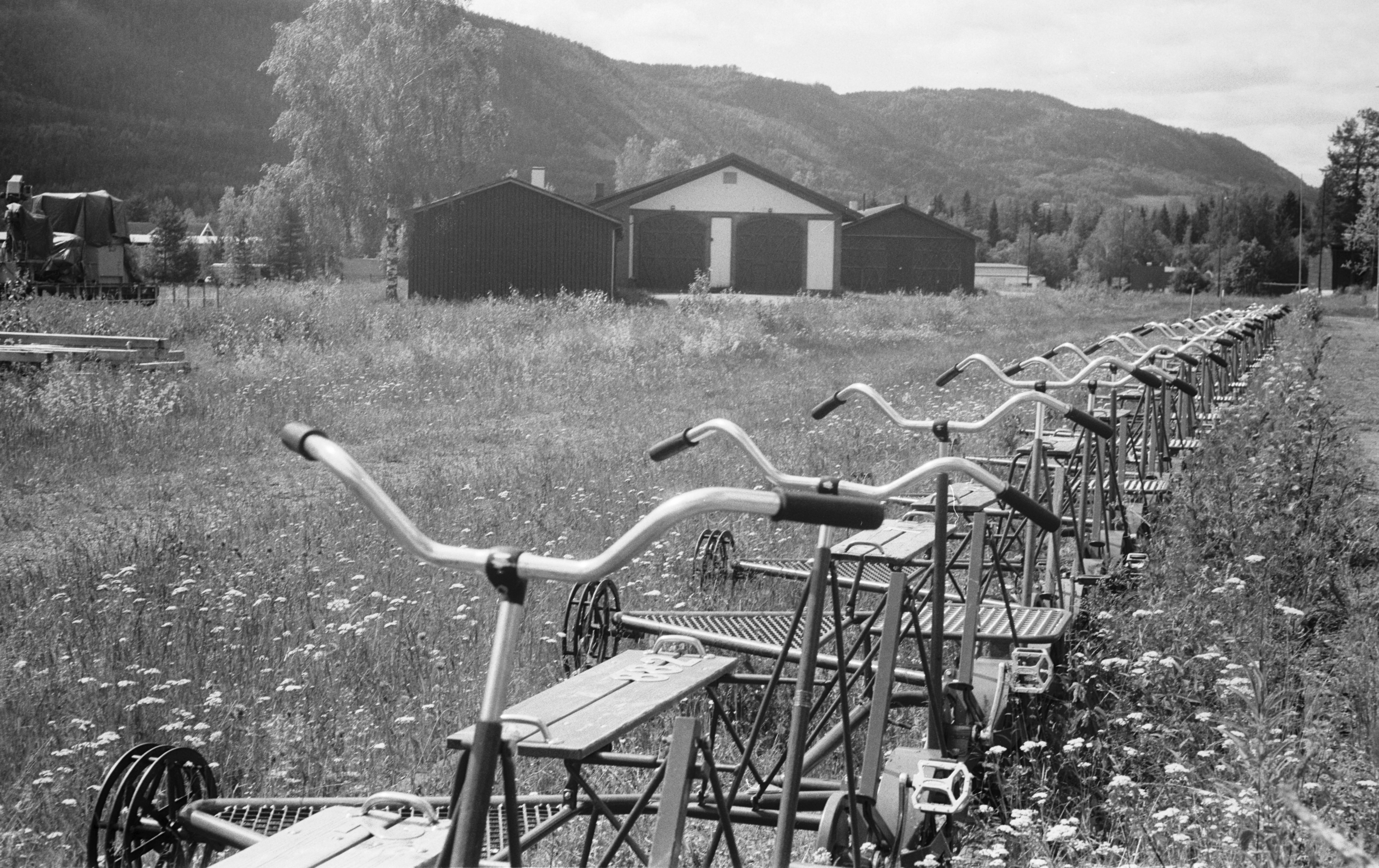
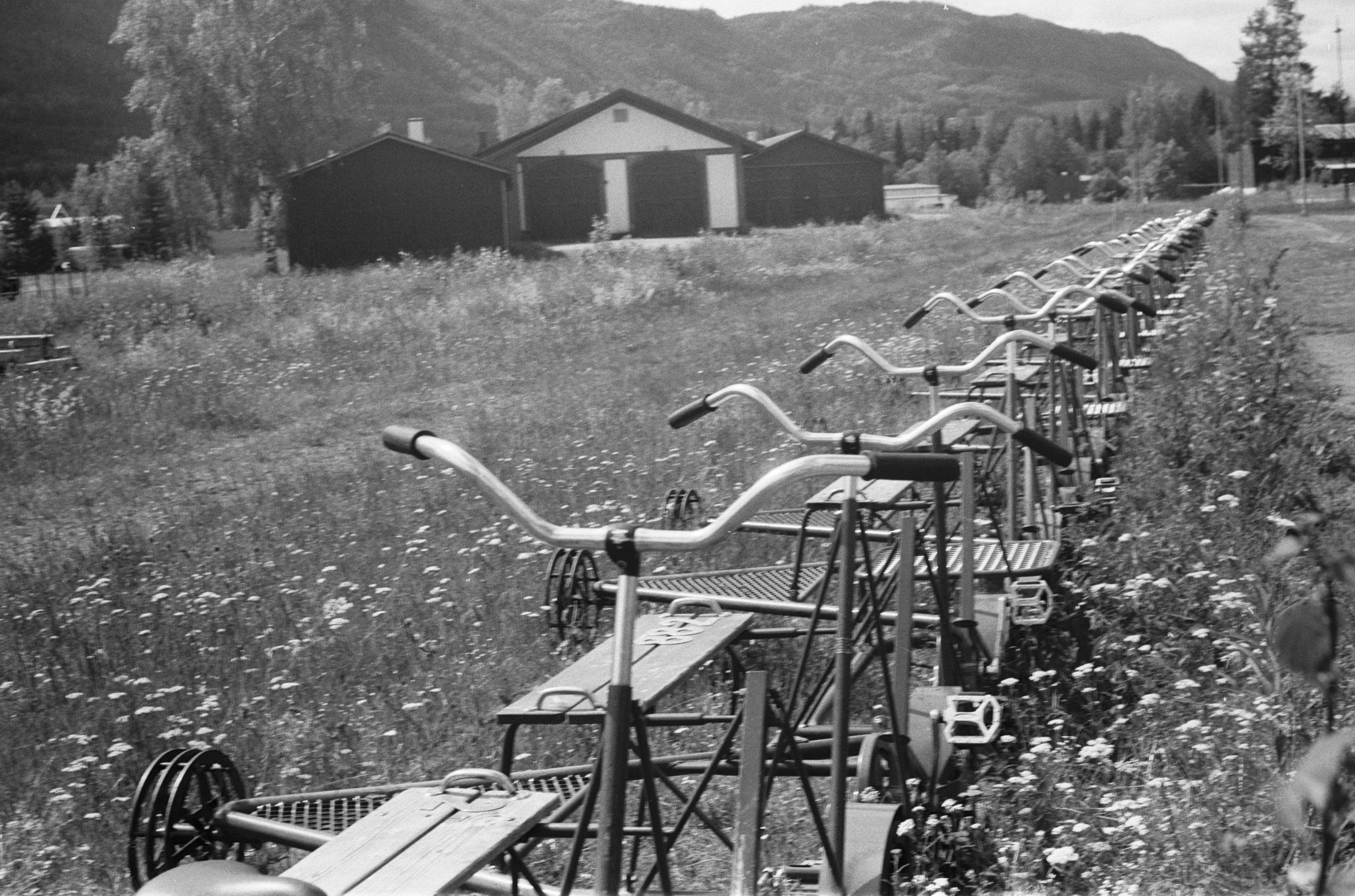
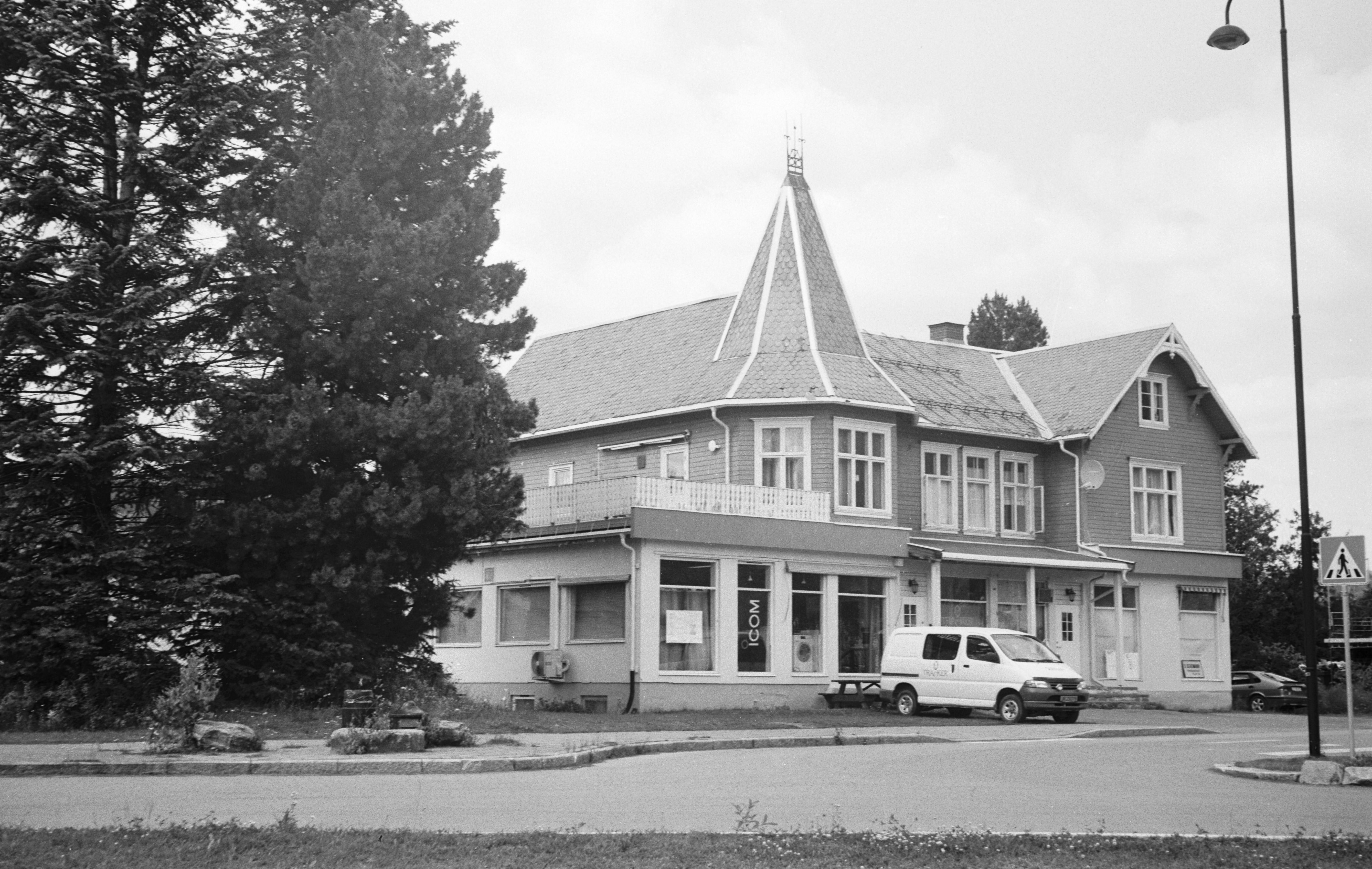
Today, I had a portrait assignment in Dokka, a little town nearby, and I brought the Voigtländer with an Ilford Delta 100 loaded in it.

I had the Voigtländer well placed in its leather casing.

The location for my assignment was at a defunct railway station now used for rail bikes. I arrived a bit early to enjoy the sunshine and, hopefully, make some great images. I was not the only living creature enjoying the sunshine this lovely day. I also met some very social and eager horseflies and mosquitoes. A part of the Norwegian summer.

A little tip for shooting in Norway where light isn’t that bright; think «Sunny 11» not «sunny 16». The lighting conditions in Norway are not as bright as further south in Europe.

Maybe not in mint condition, but for sure a great model. And after all, the BMW still is on its wheels.

Since the Voigtländer is not a rangefinder or markfinder, the focus is based on guessing distance. Not too difficult for street photography and the lens is really interesting. Looking through the pictures after scanning, I can see that I should have used the sun shader following the lens.

I developed in Xtol 1:1 for 8 minutes 20 sec in 21 degrees chemistry. Then rinse and stop in water, and seven minutes fixer.

New for this development cycle was that I used a new termometer, as my last one died an Xtol death from falling into the tank of stock. RIP.

A Summer day adventure with a Voigtländer Vito B

A few days ago I got hold of an old Voigtländer Vito B in «unknown condition». I know from before that Voigtländers are relatively sound cameras, and took it for a test drive with a Kentmere 100 onboard.

The Voigländer used in this test.

The small viewfinder tells me that this is a camera from the earlier production years, between 1954 and 1957. The fucis is done buy measuring the distance manually and setting it manually to the camera. No rangefinder or markfinder.

It’s always fun to play around with an old camera like this, and I must say that despite it’s reputation for being «immensly grainy» I am very happy with the results the Kentmere 100 provides. My guess is that photographers complaining about the grain are either after a smooth as gold PAN-F like smoothness, or just overexposes the film and gets grain in the scanning process.

As previously with the Kentmere, I chose to develop in Xtol 1:2 and used 10 minutes in 24 degrees chemistry. The negatives came out fairly evenly exposed and I am happy with the results.

An old-camera adventure

The oldest camera I own is an Argus C21 from 1947. I bought this one rather cheaply last summer and it was in «unknown» condition. I tried a film in it back in last summer, but the back lid, fell off and the film got ruined. Then i forgot all about the little Argus.

Today I brought the old Argus back to life with a Kentmere 100, and brought it along as I went for a little drive.

A little documentation image of the Argus C21 and the film.

When the negatives came out of the tank, they looked farily evenly developed and exposed, but when scanning and working with the negatives, it is clear that the lens sufferes from some hazing and probably build-up of dust.

That said, I am really intreagued by the results, and they show that the old Argus still has a sharp eye.

Also, the Kentmere 100 shone with its traditional grain structure, and gives the images a really old fashioned look, even in Xtol. The development cycle for this round was Xtol 1:0 9 minutes 45 seconds at 18,5 degrees. Then I used a water stop, six minutes fixer, rinse and photoflo. Images turned out ok.

The camera does also scratch the film slightly as you can see in this photo. It might be mendable, but I do not mind a few scratches from a camera this age. Especially not at the price I payed, around 15£.

Also, I like how the Argus focuses, It gives a really sharp middle of the picture focus and a gentle unsharpness at the edges, making a vignetting effect which is pleasant.

As always, images in this blog are untouched by Adobe. Straight from the Plustek-scanner.

A cloudy-day with Kentmere 100

Analogue photography has this horrible reputation for being ridiculously expensive because of expensive films expensive equipment. One of my goals with this blog is to disprove this and show how great results you can get with cheap cameras, but also with budget films.

Today, I picked up a Kentmere 100, which i bought for very little money at my regular online store, and went for a little walk by a lake not far from where I live. I am normally a huge fan of the Ilford-films, and since Kentmere is made my Ilford, I assumed it to be a decent film.

I read a few blog entries and notes on Lomography before I embarked on this adventure, and I saw people complain about «immense grain» and «too grainy». I therefore chose to develop this film in Kodak Xtil 1:0, to have a limited development time to reduce grain.

Kentmere 100 shot at box speed, developed at 19,5 degrees in Xtol 1:0 for 8 minutes 15 seconds

At least in this development cycle, the Kentmere produced a really pleasant grain, and I like the soft, but vibrant range it gives. I will definitely shoot this film again, and use the same decelopment cycle which I find to give the results I want.

Furthermore, in 35mm film photography, grain is a part of the «game» and a force that makes your images interesting.

Also, I find the cheap Petri Racer so be one of my absolute favourite cameras. The little rangefinder has a fantastic lens and is truly reliable. More results are in the album beneath.

Analogue photography is not expensive, and with some skills and knowledge, you will appreciate this media. ‘

Colour is descriptive; black and white is interpretive.

Elliot Erwitt

More from the first Petri-test

From the same roll of Ilford PAN 400 as the previous entry. Ilford PAN 400 shot at 800 in an old Petri Racer.

Development: 75 minutes in Rodinal 1+100 17 degrees, agitation first 20 seconds, then careful agitation after 45 minutes. Scanned with Plustek Opticfilm 8100.

«There’s something strange and powerful about black and white imagery.»

– Stefan Kanfer –