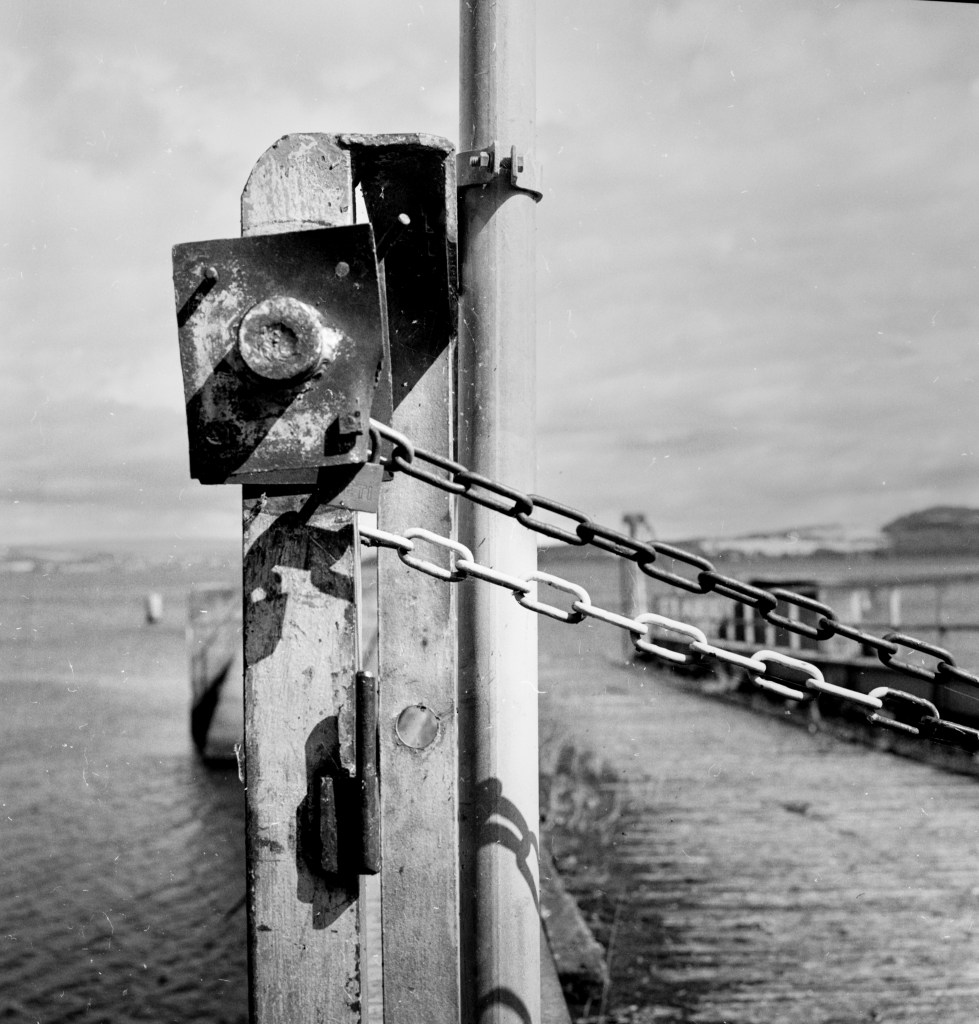
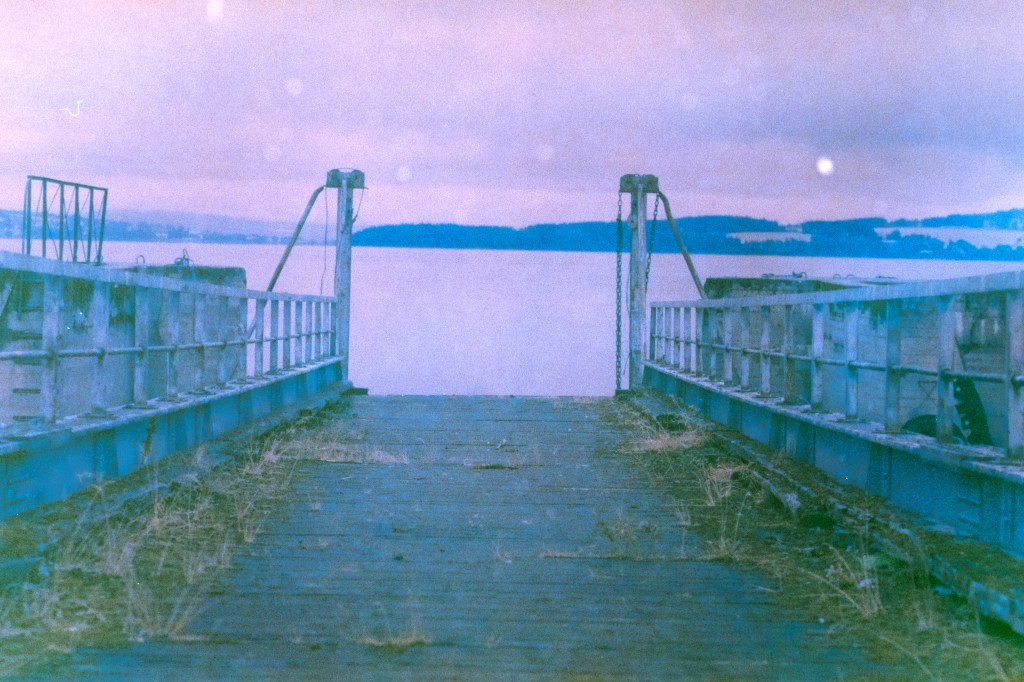
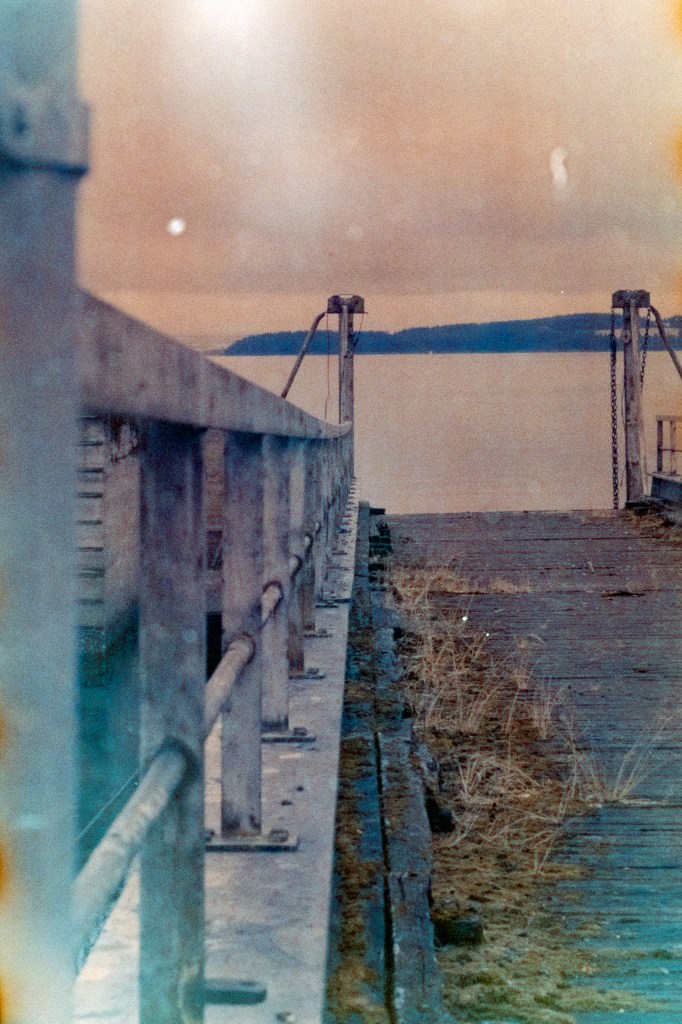
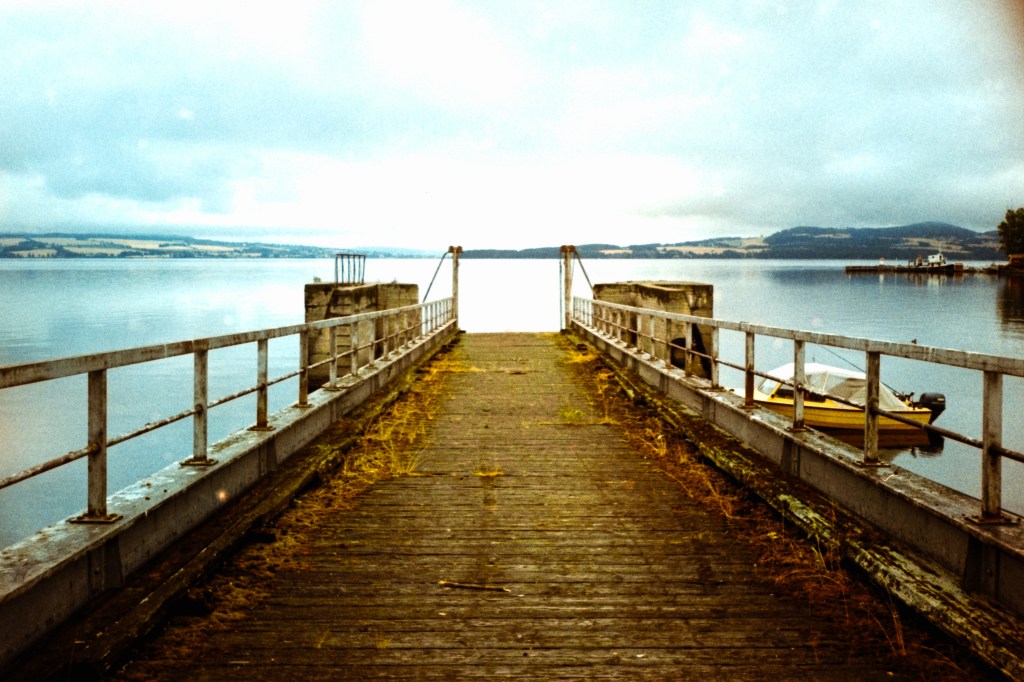
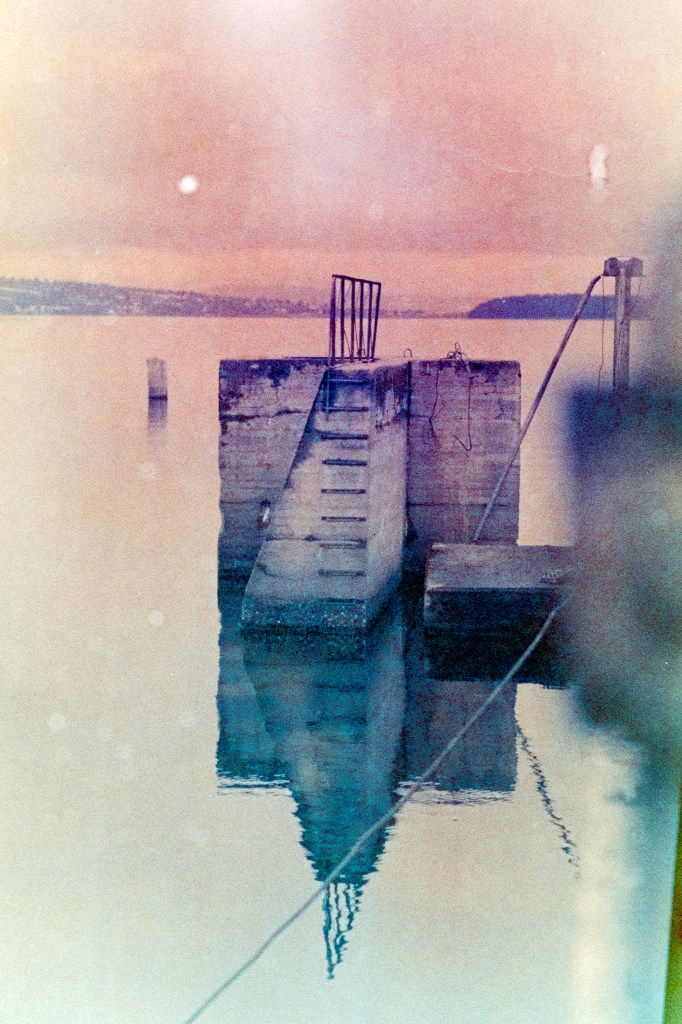
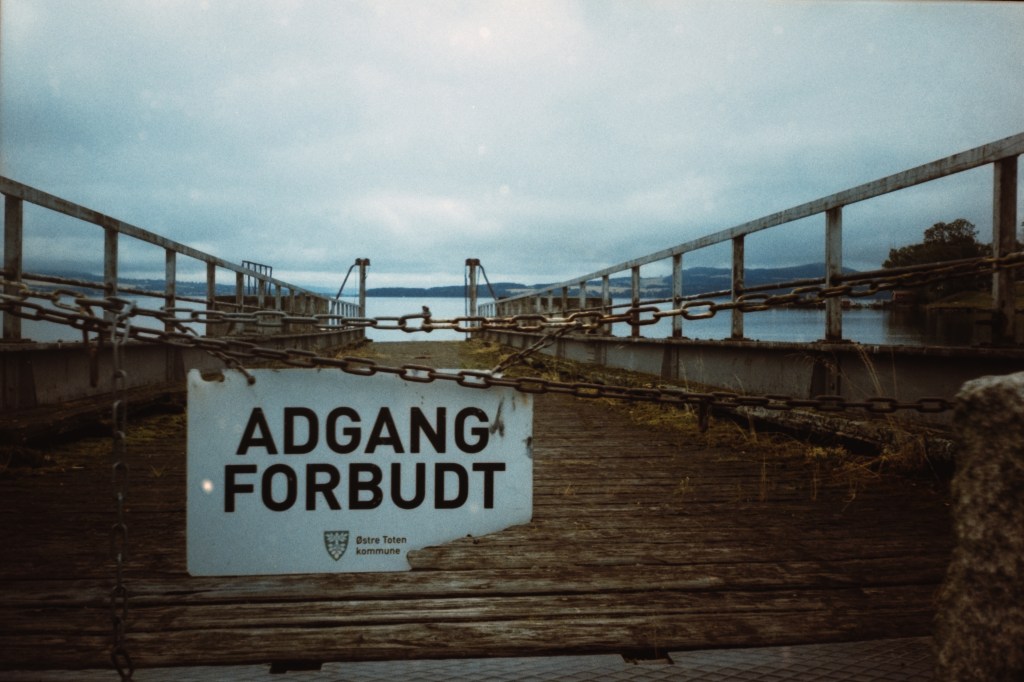
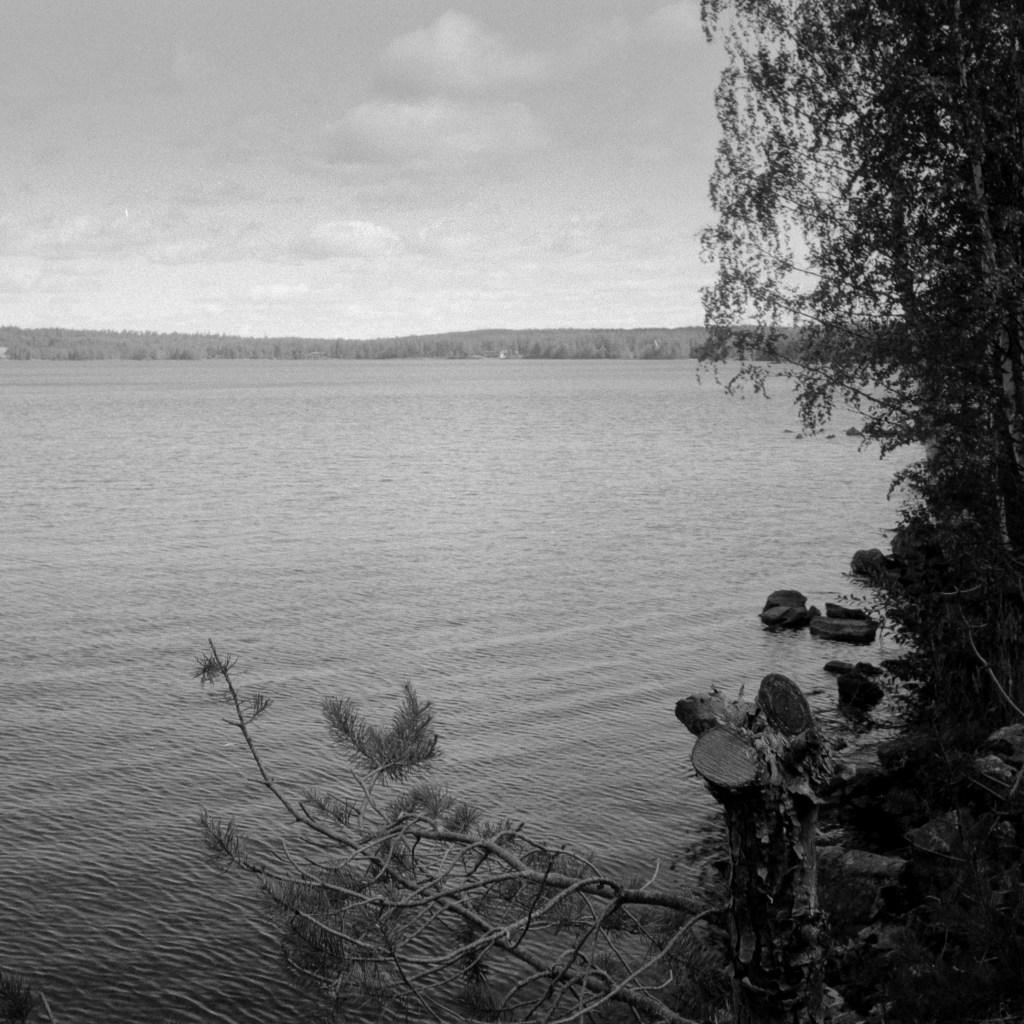
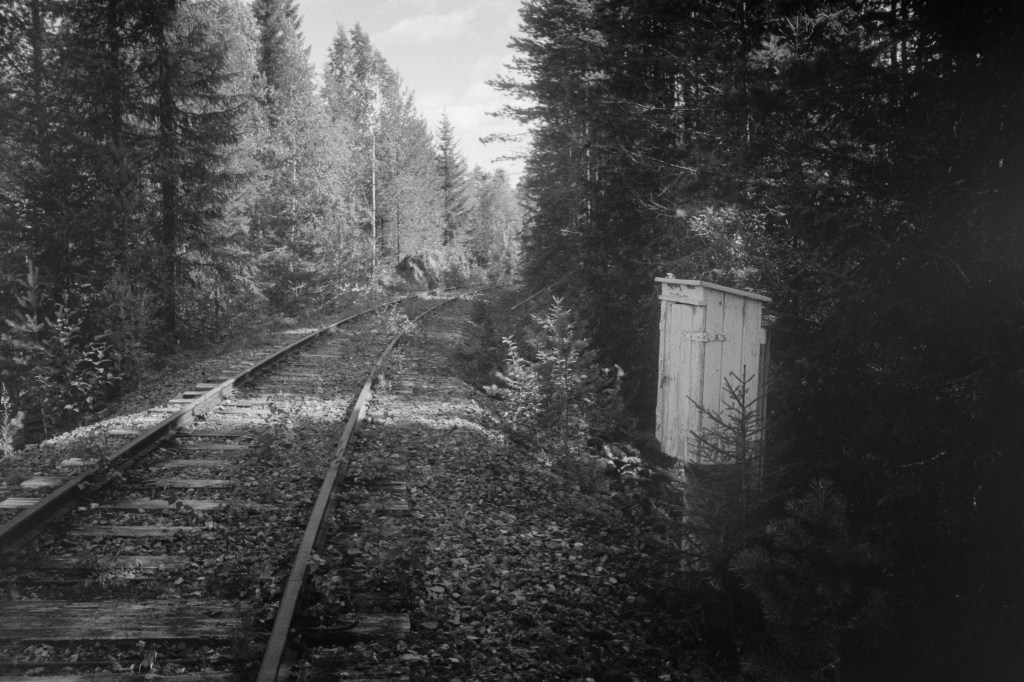
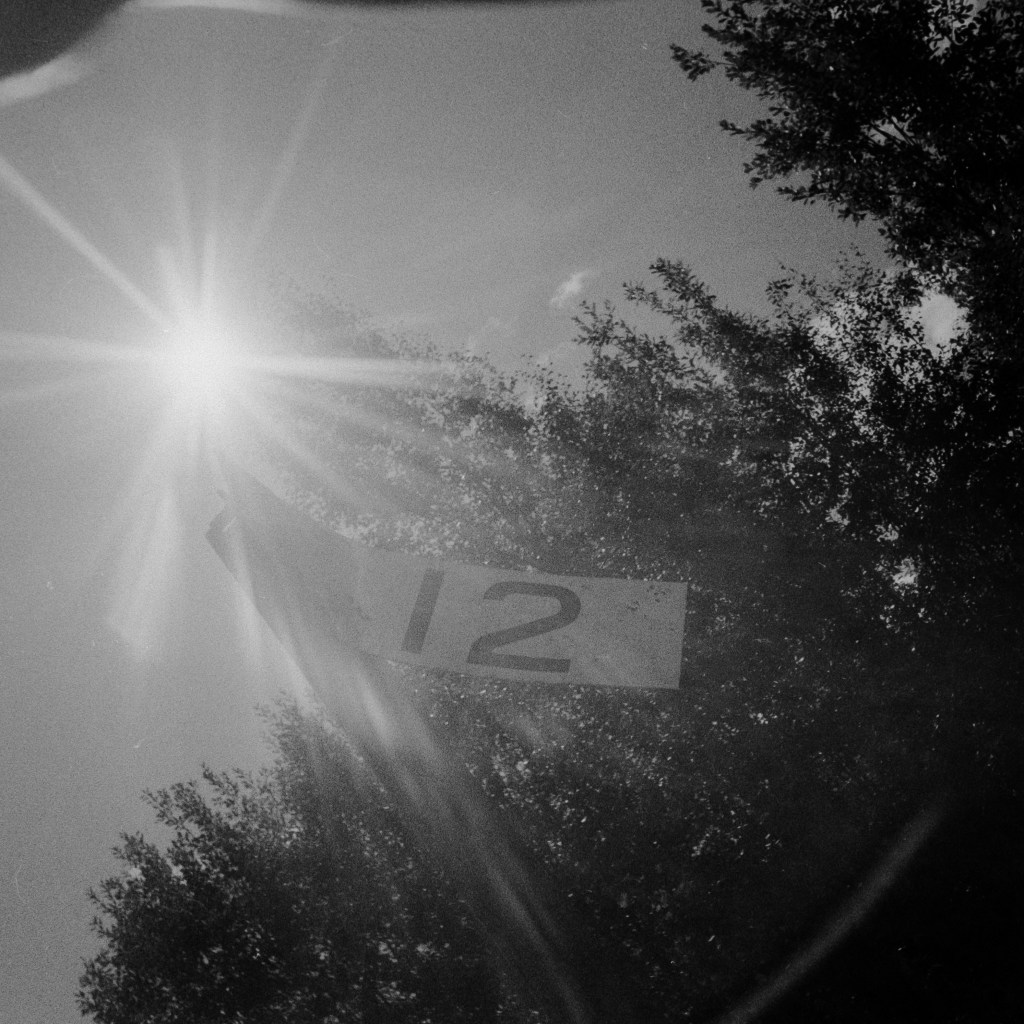
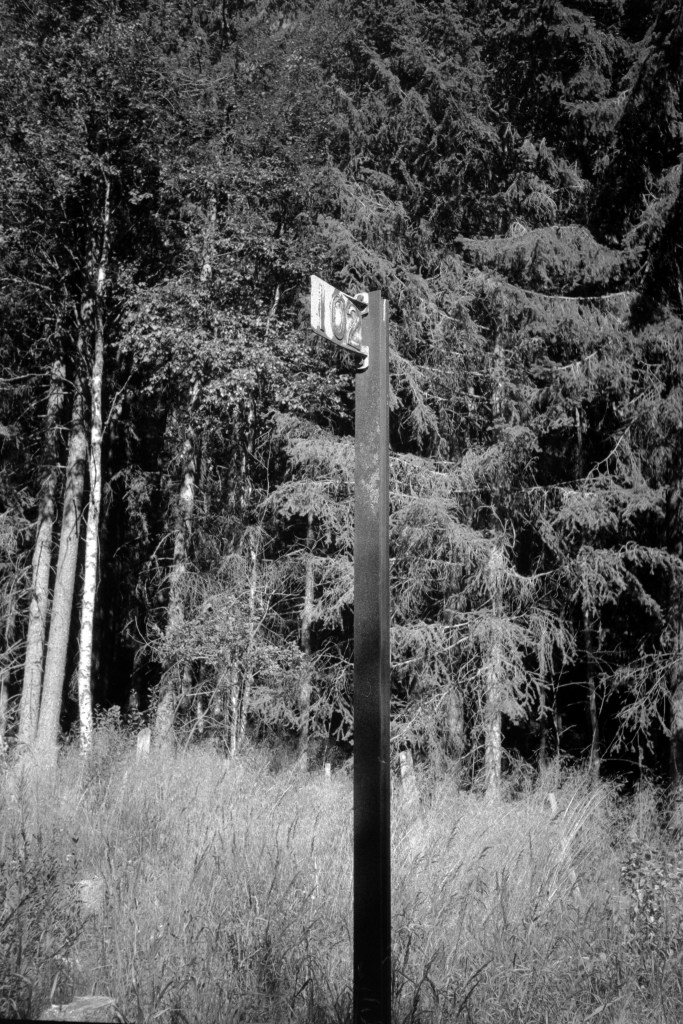
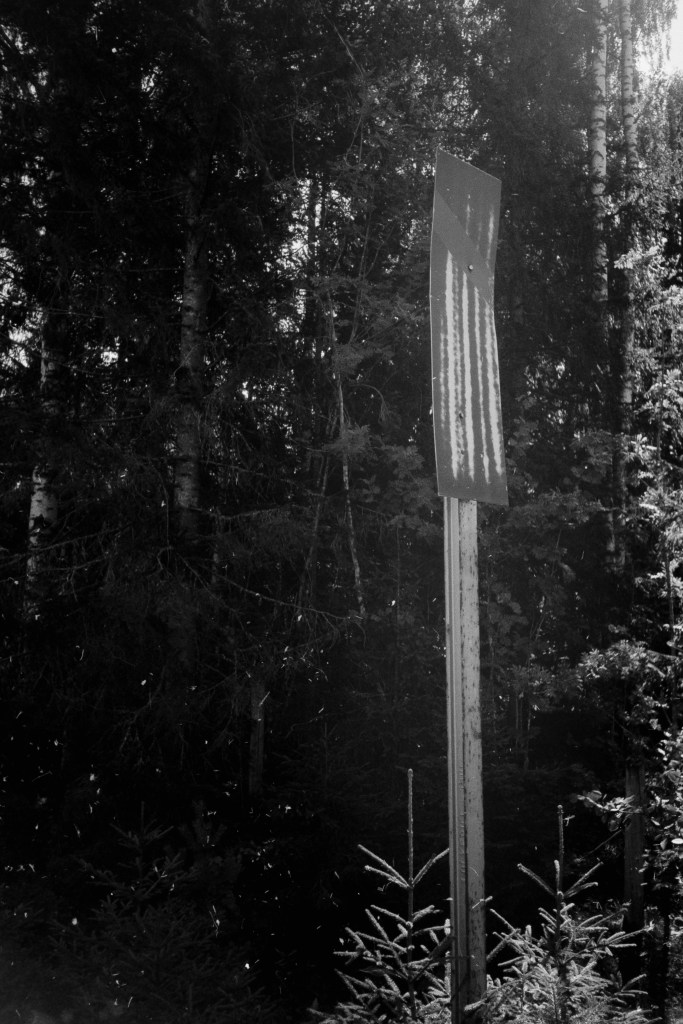
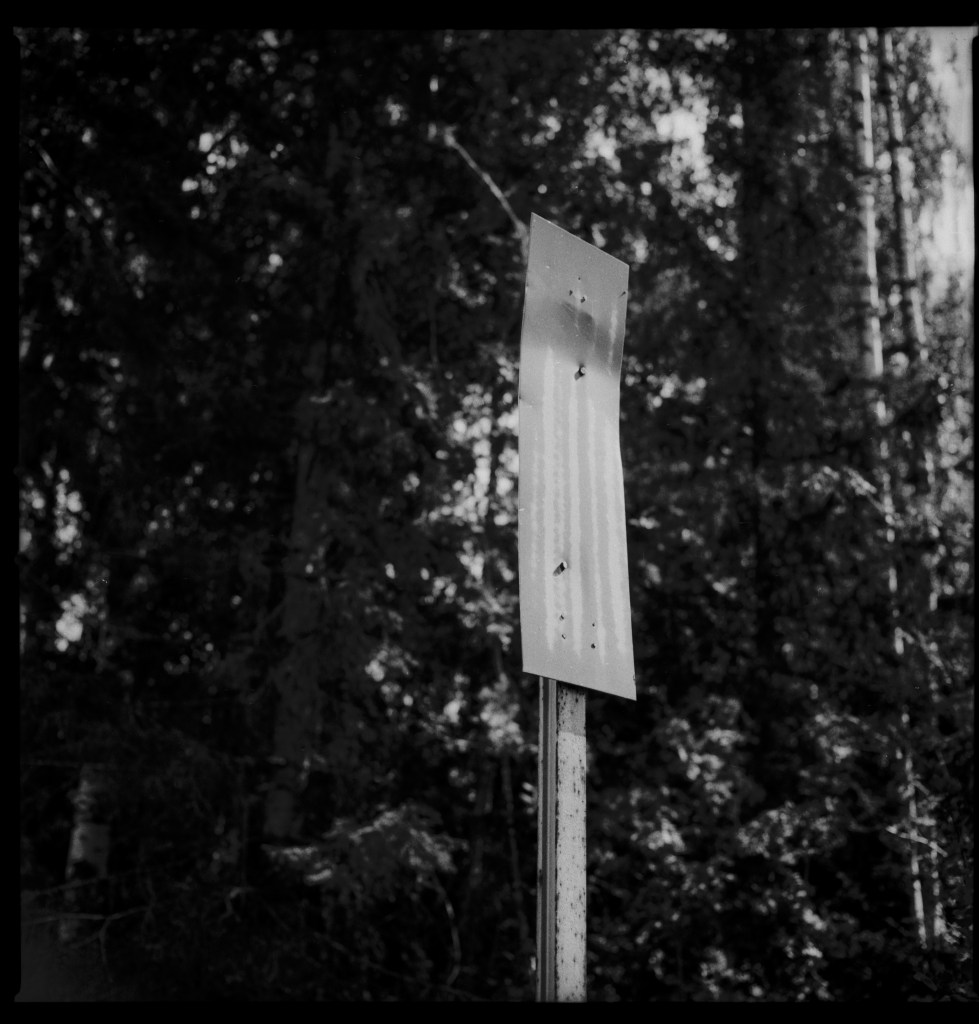
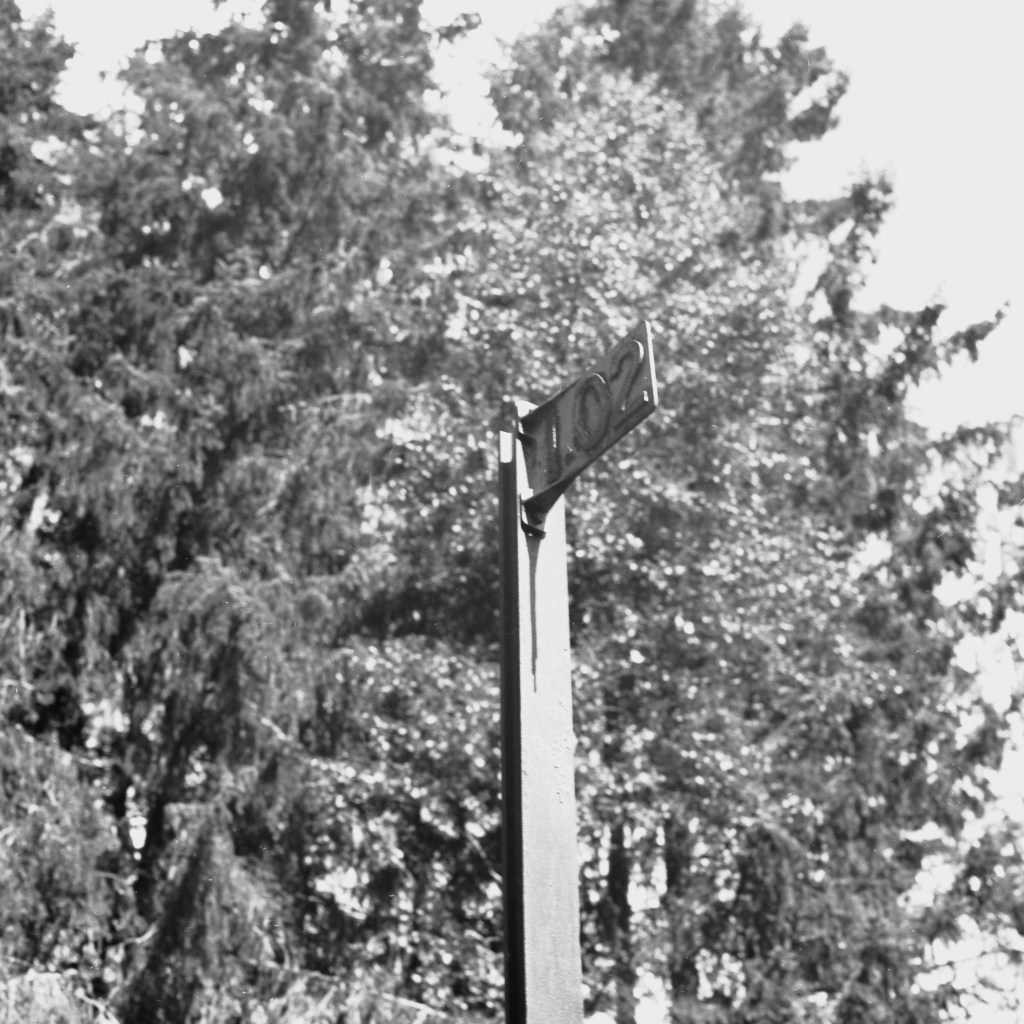
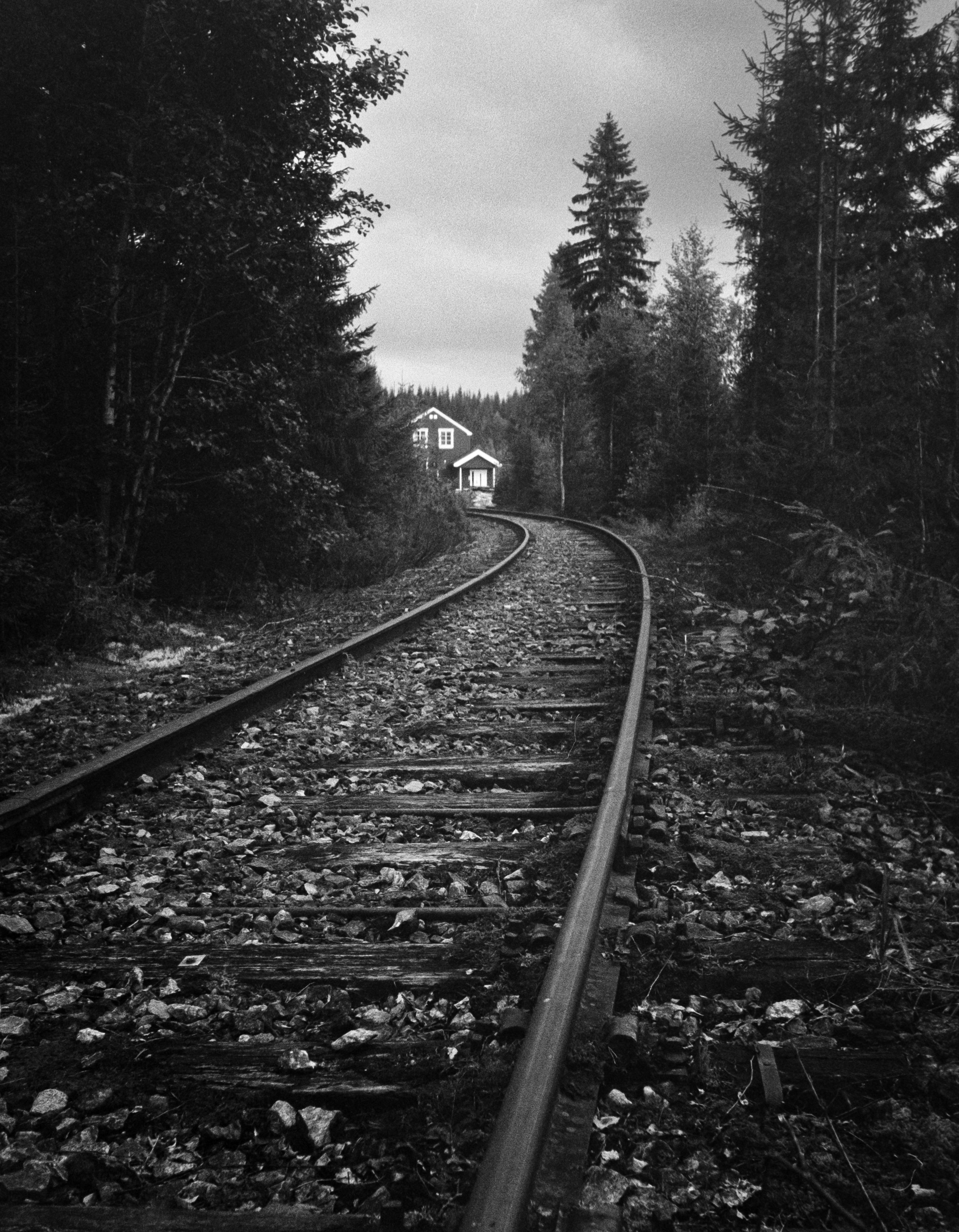
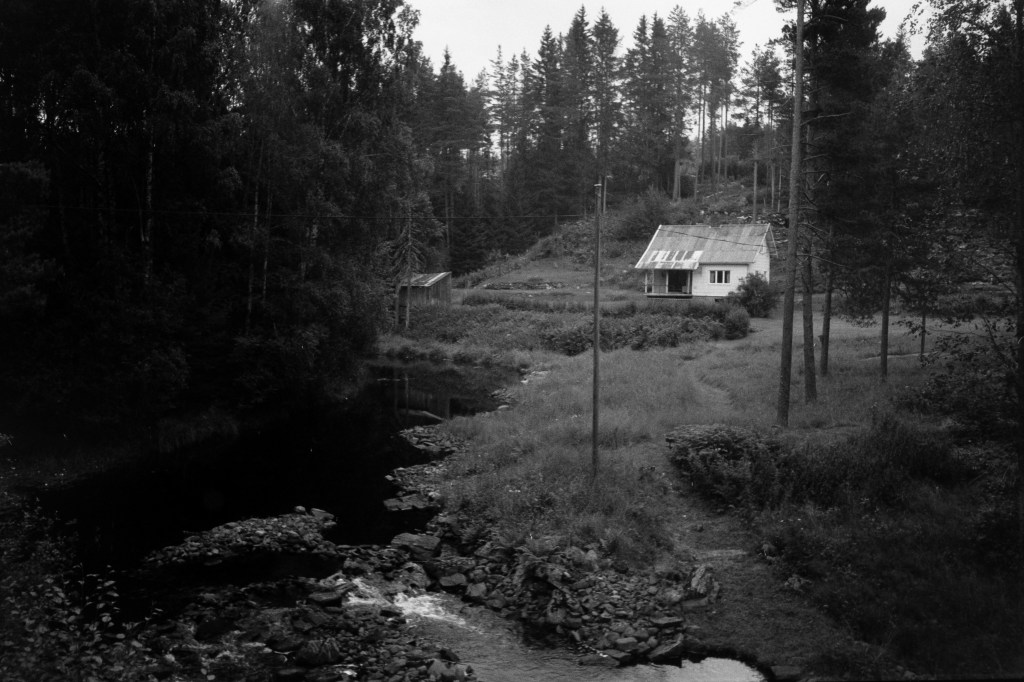
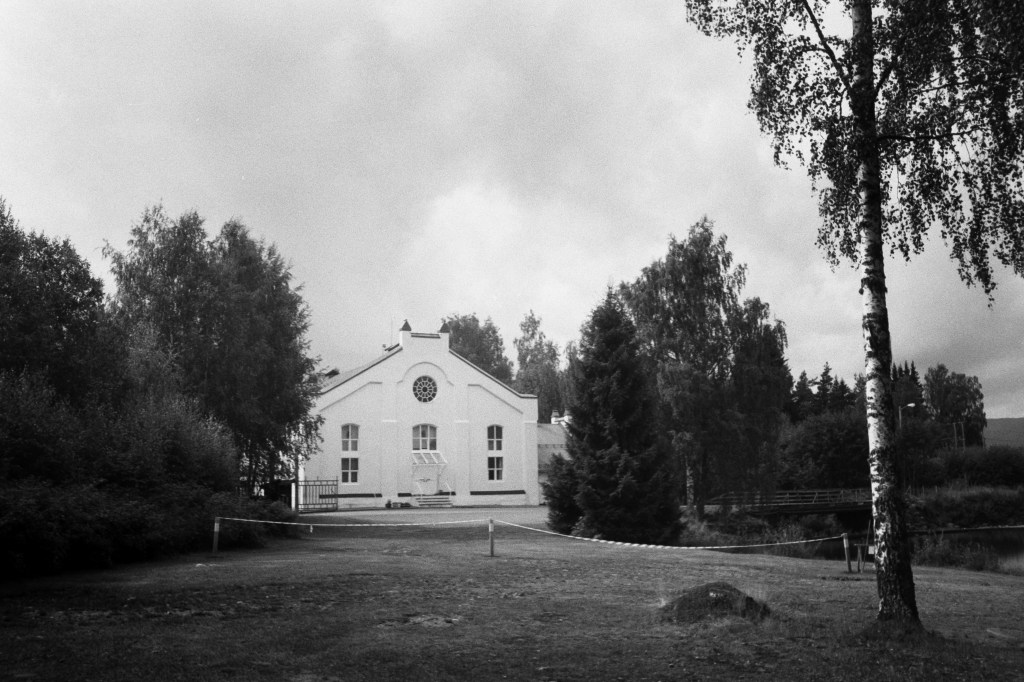
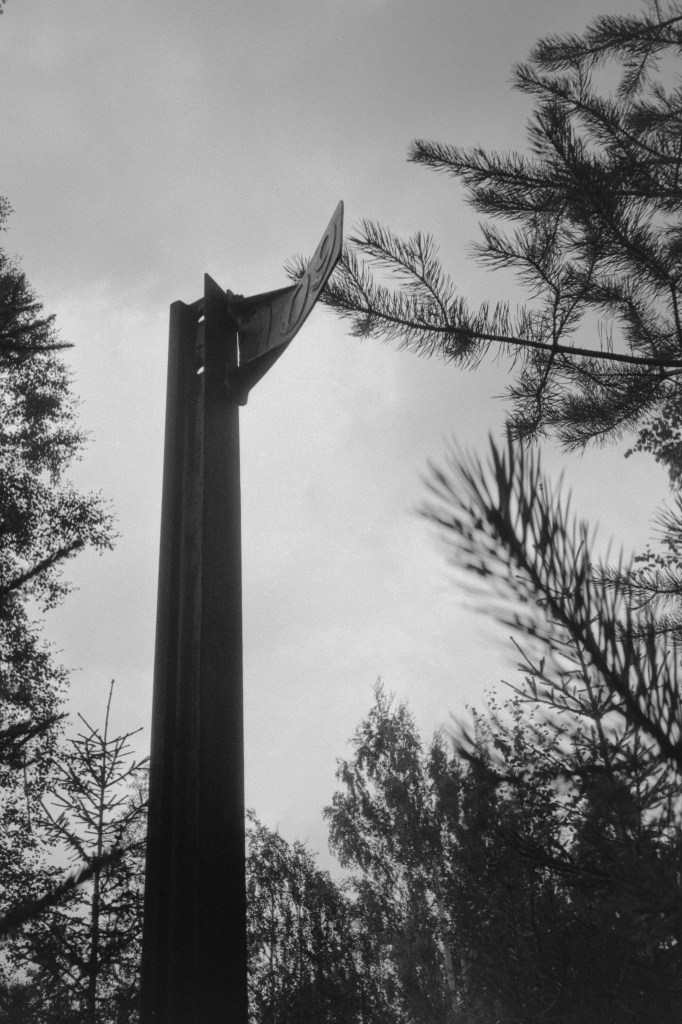
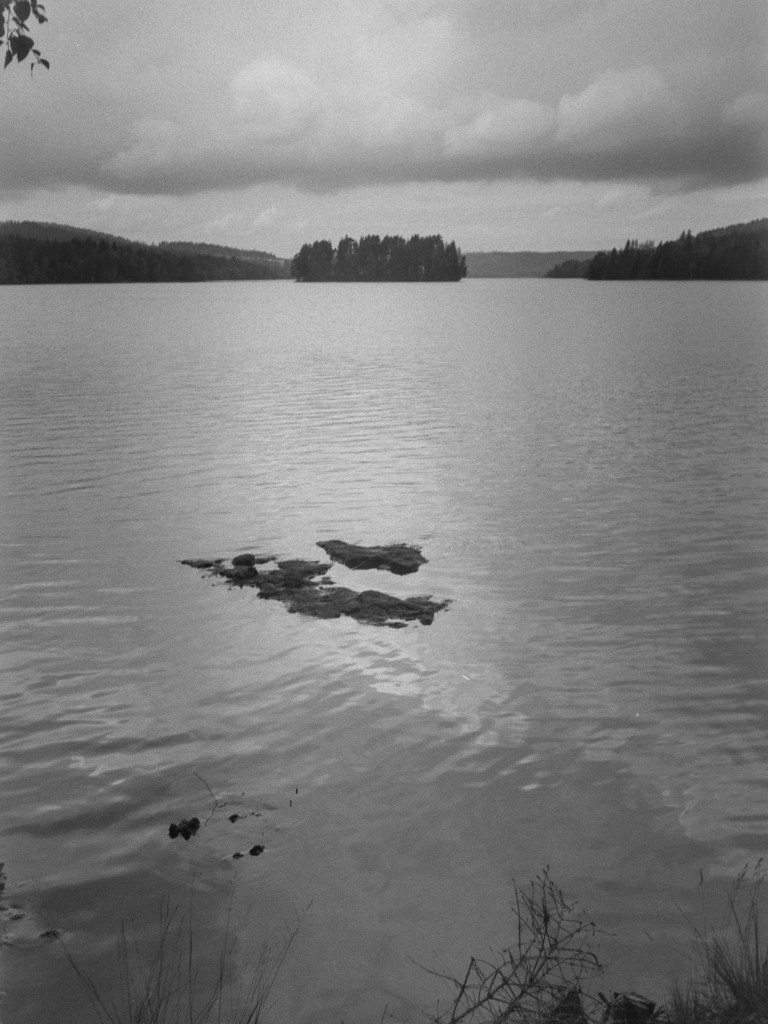
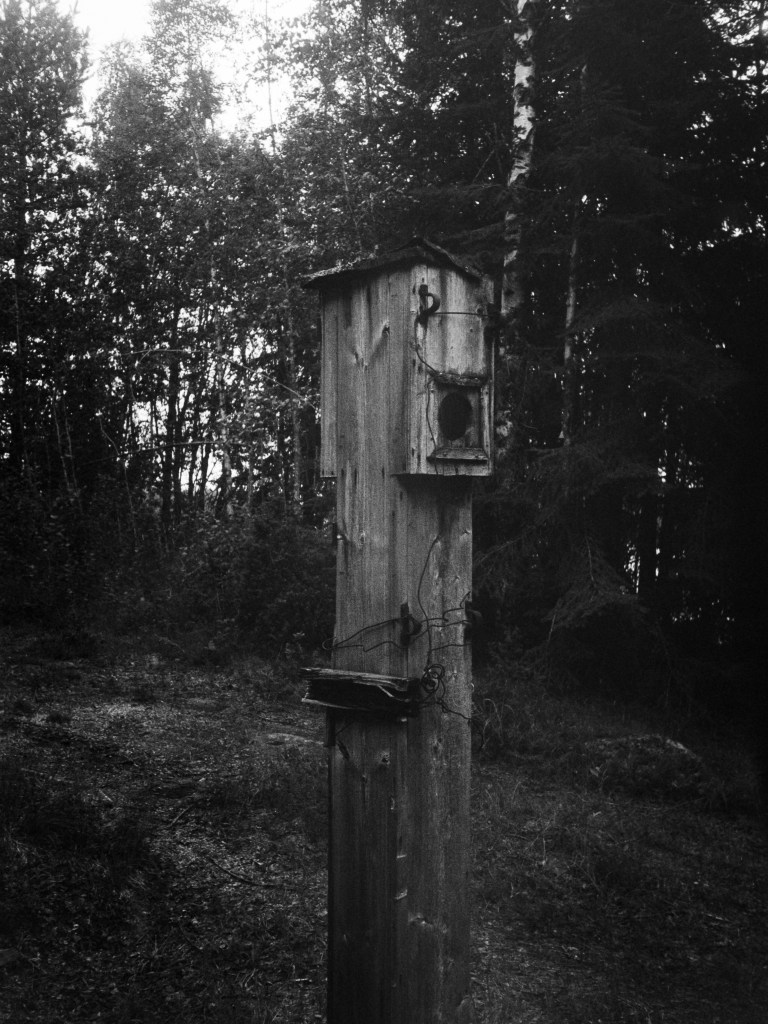
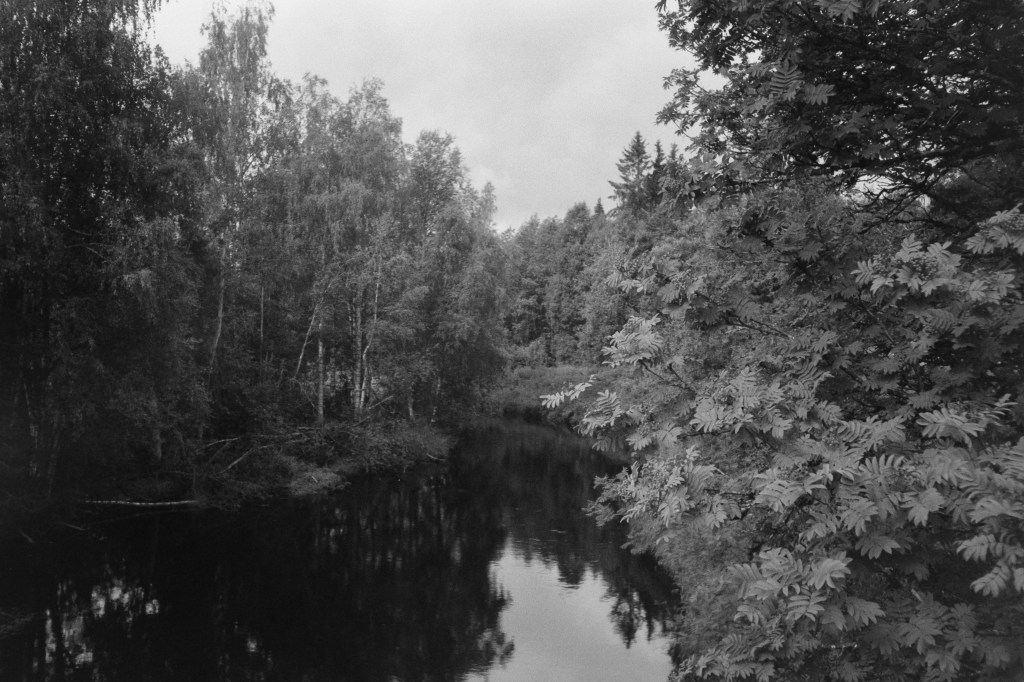
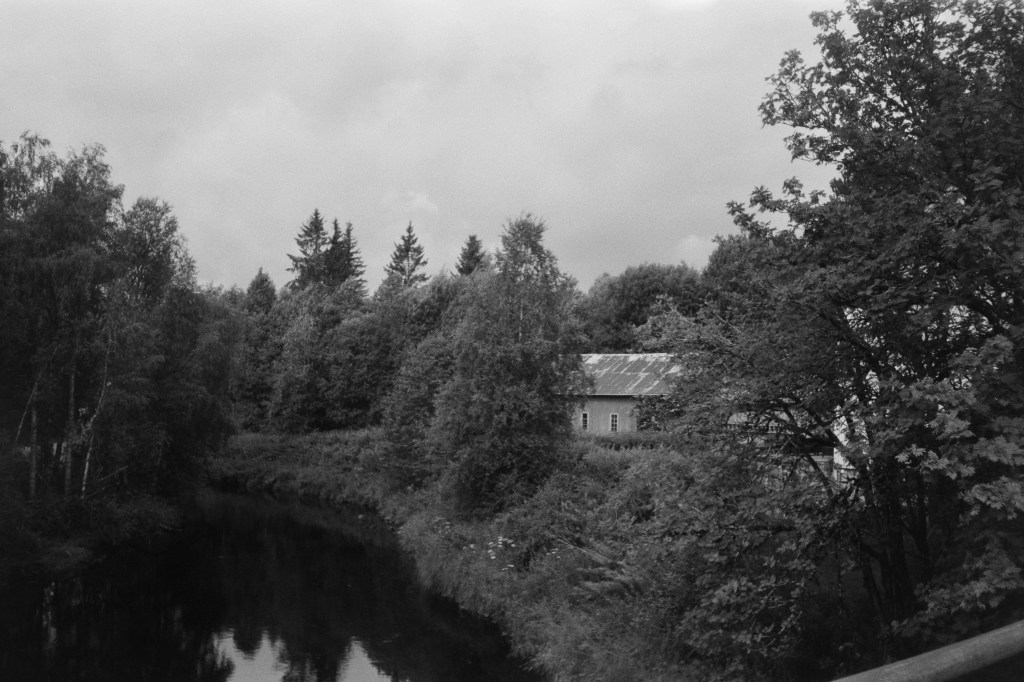
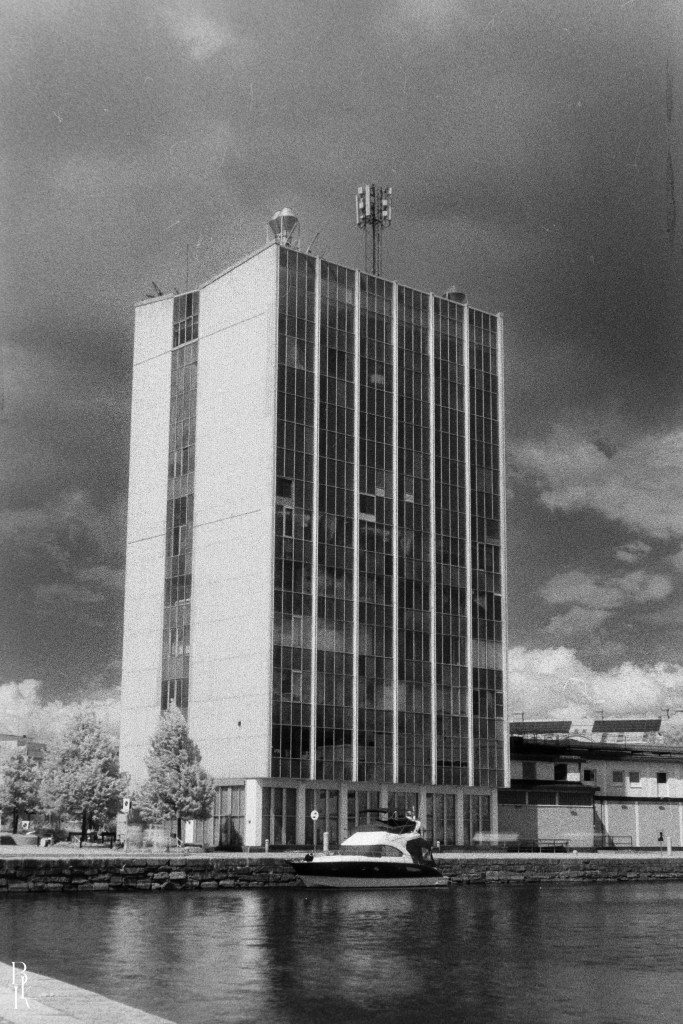
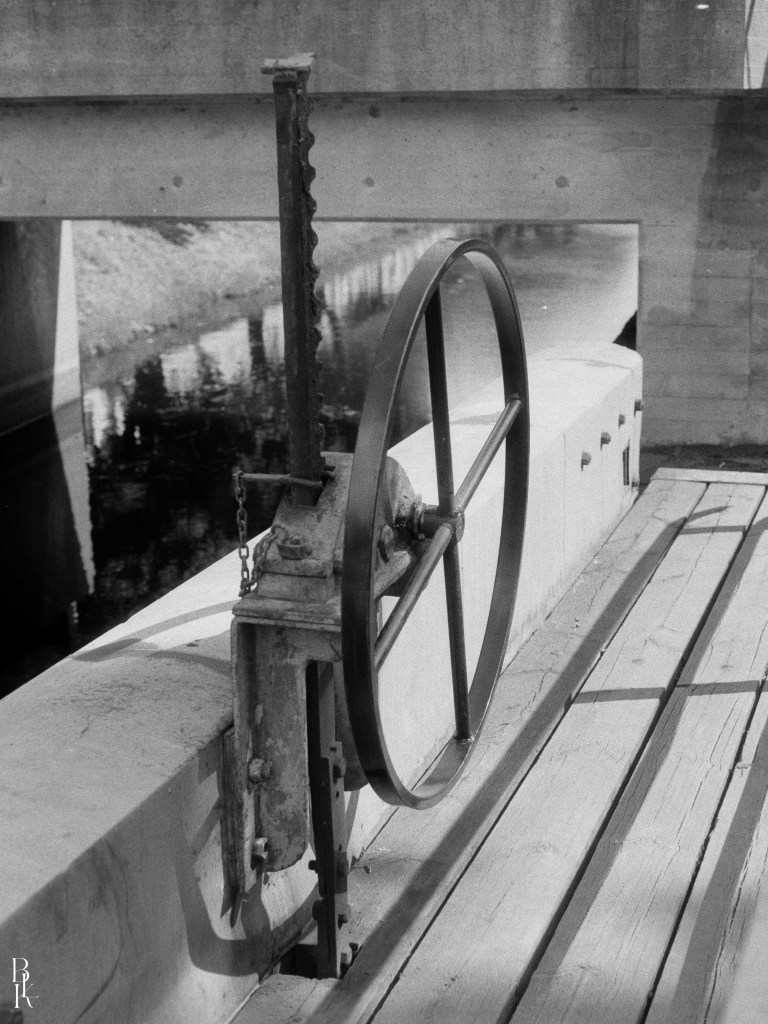
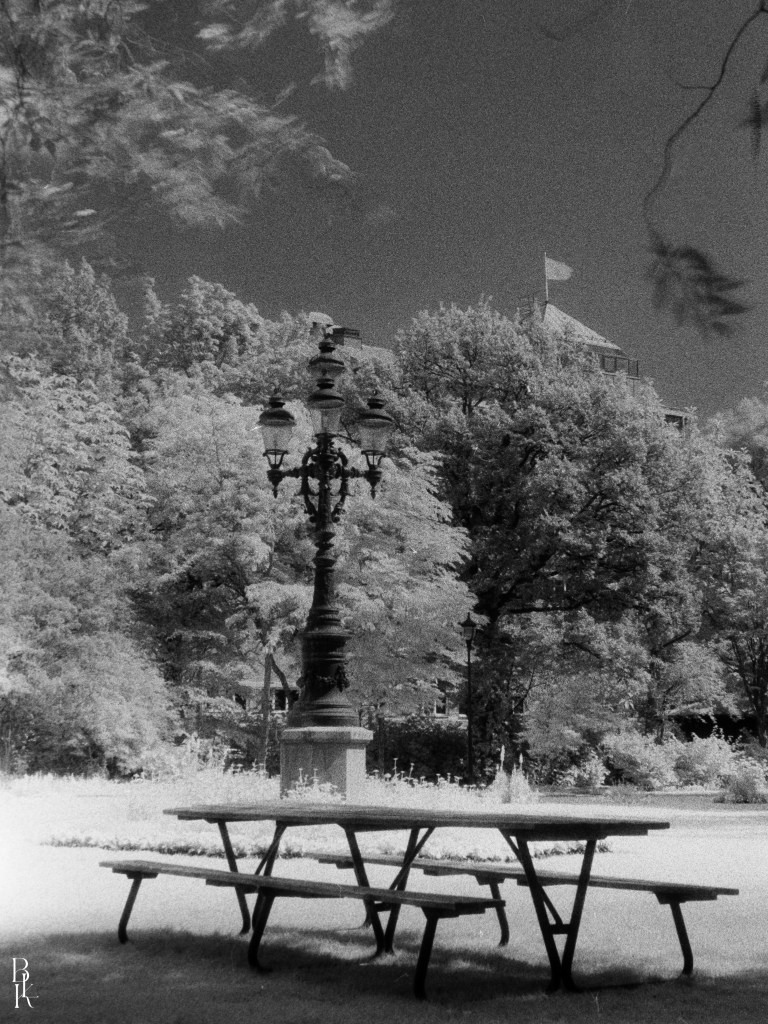
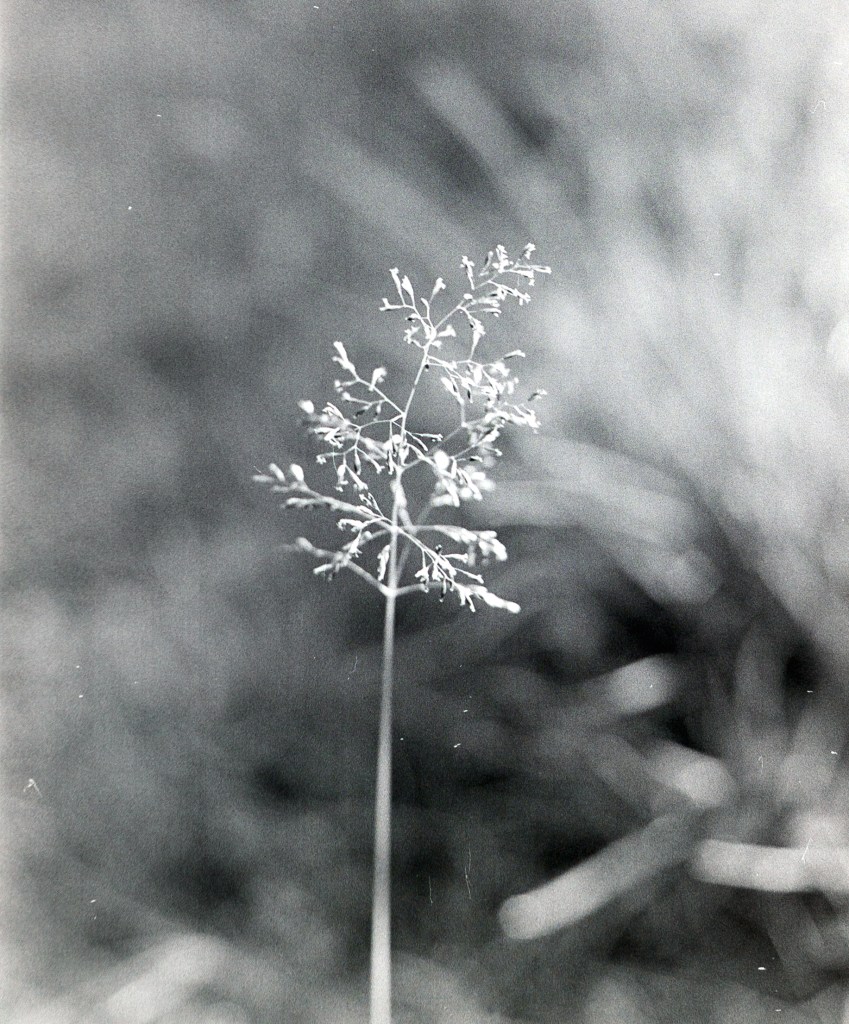
There is something about night photography that I like. Especially the kind with deep shadows and clear highlights making great and lovely contrasty look. I have seen people achieve this look by pushing Ilford HP5 plus three stops to 3200, and I decided to have a go at it myself. This is not the first time I have made an attempt at this, but it is the first time I have tried to push the film in this already very contrasty environment. You can say I got contrast in buckets, but maybe not in the way that I had first imagined. I think it might be down to a combination of me not quite knowing how to meter a shot at night time, and I was trying my way around using a spot meter and the zone system, and the fact that I was relying on development advice from some threads I found online, and I should probably have given it a bit more development time for a 3 stop push like this.

As I said above the image, I made some attempts at metering the scene and it turned out I am not good at that in the dark. I metered like I would have done at daytime, and I think I slightly under-exposed most of the images. The images that seem to have worked the best, were the ones where I metered at a very bright spot in the image and gave it four extra stops of exposure to bring it into zone 9. When developing the roll, I went online to find development times for the developers I have in my arsenal. They aren’t that many these days, I have Rodinal, FX39 II, 510 Pyro and HC110. Of these ones, I was between the two gloopy ones, HC110 and 510 Pyro. I chose to go with the Pyro developer to give the negatives some stain in case of over exposure. We can say that that was a completely unnecessary thought.
When looking for development times for this combination, HP5+ at 3200 in 510 Pyro, I found very little online. I found one source saying 26 minutes at 1+100, and another saying 28 minutes at 1+100 in a rotary processor like I have. I went to err on the safe side going for 26 minutes, but after seeing how thin my negatives ended up, I think I would add at least five minutes to that development time should I ever try this again. That said though, I think I got a few quite cool images anyway.

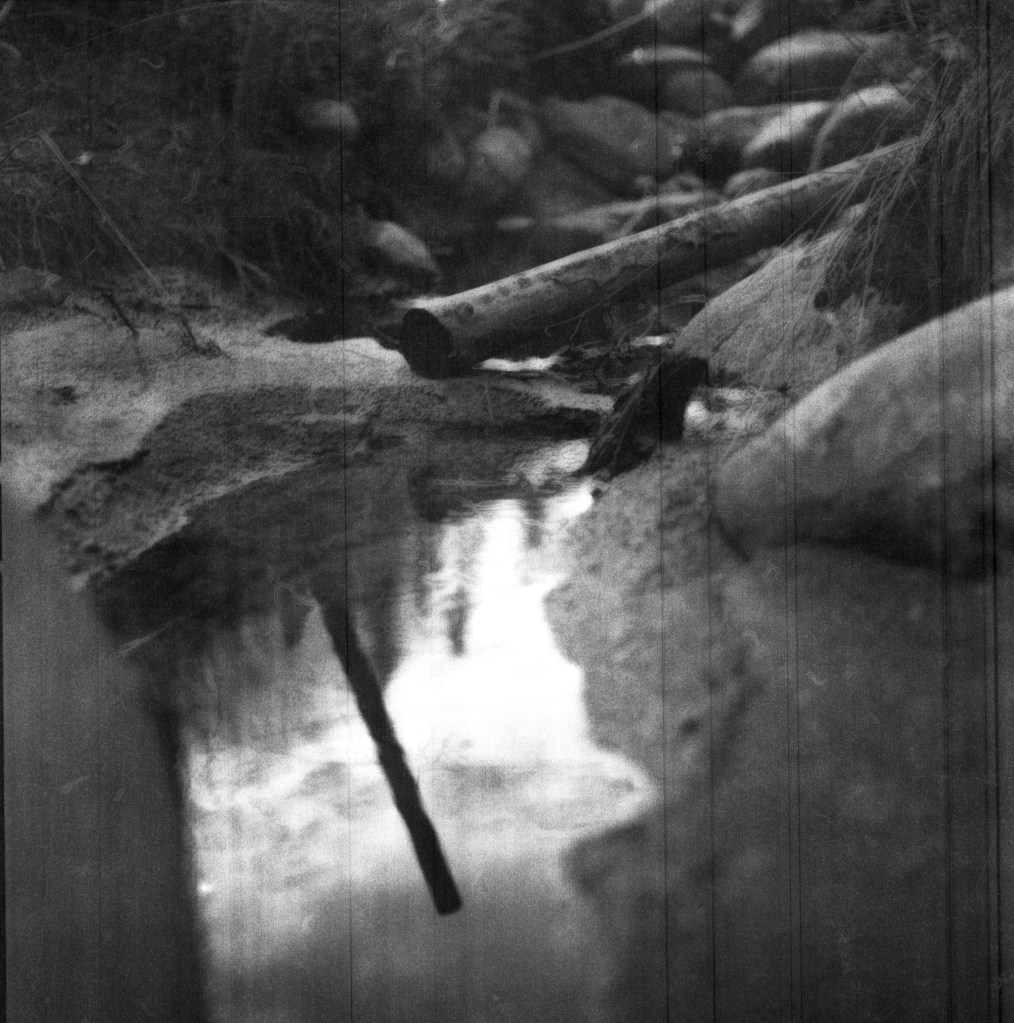
Another interesting thing with this roll. SOME frames were insanely dusty. The kind of dust that is stuck to the emulsion, while other frames weren’t. I dried this film together with two rolls of Kodak Ektar 100 and none of those films showed any kind of dust like this. I am a bit uncertain how this could have come about, but the film clearly had a lot of dust to the emulsion when drying. I left it in for fun to show the defects.

I am very happy that at least some of my frames turned out in a presentable manner. I might try this again and I might not. But in my next attempt, I am probably not going to push three stops, rather rely on longer shutter speeds.
Thank you for reading.