
I have tried many different films through my time of experimenting with analog photography, but there is one film that I have looked at at the back of my fridge for quite some years. That film is the two rolls of SFX200, a black and white film with an extended sensitivity to reds. A so-called near infrared film. Now, I do like the look of near-infrared photography, and how it has the potential to lift a sunny day into something more abstract and effect full. In my previous dabbling with this type of photography, I have always defaulted to Rollei IR, but I have had some unfortunate situations with that film having mottling and other imperfections that have sadly ruined quite a few shoots for me. Maybe SFX200 is better?
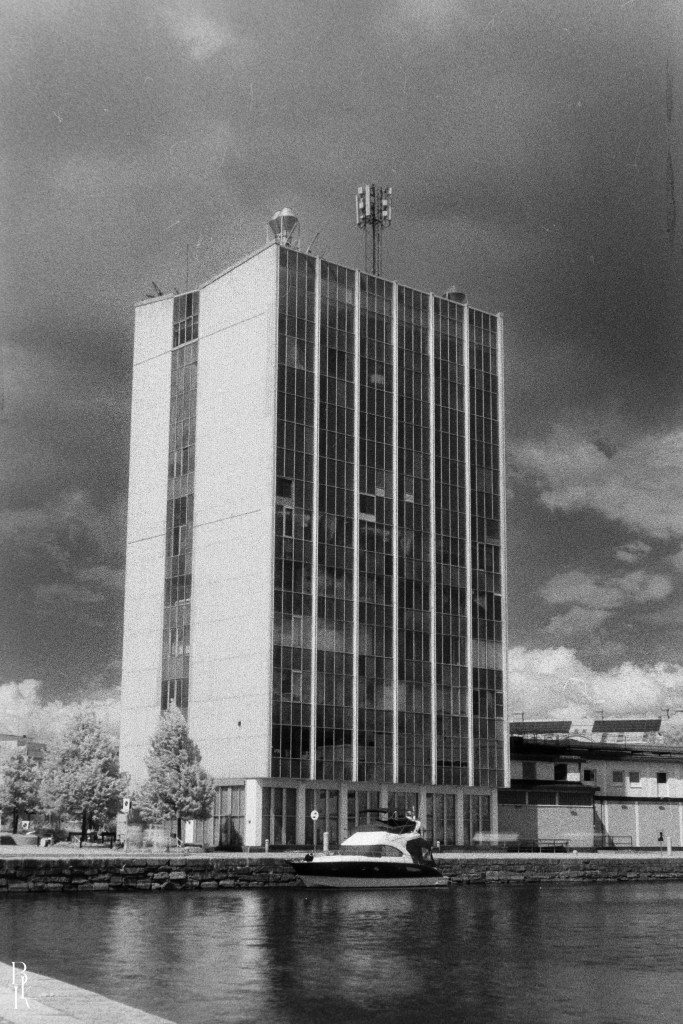
I have read a bit about this film and I have understood that it is considered a rather grainy film. I do agree with this assessment, however, I see a vast difference in the graininess of this film between it being correctly exposed or not. A correctly exposed frame has a far more delicate and less clumpy grain feeling than a poorly exposed one. To embrace the grain a bit, I chose to develop these two films using Rodinal 1+25. My development was 5 minutes continuous agitation with the AGO-processor. The films came out perfectly developed and it really highlights how different this film feels at different levels of exposure.
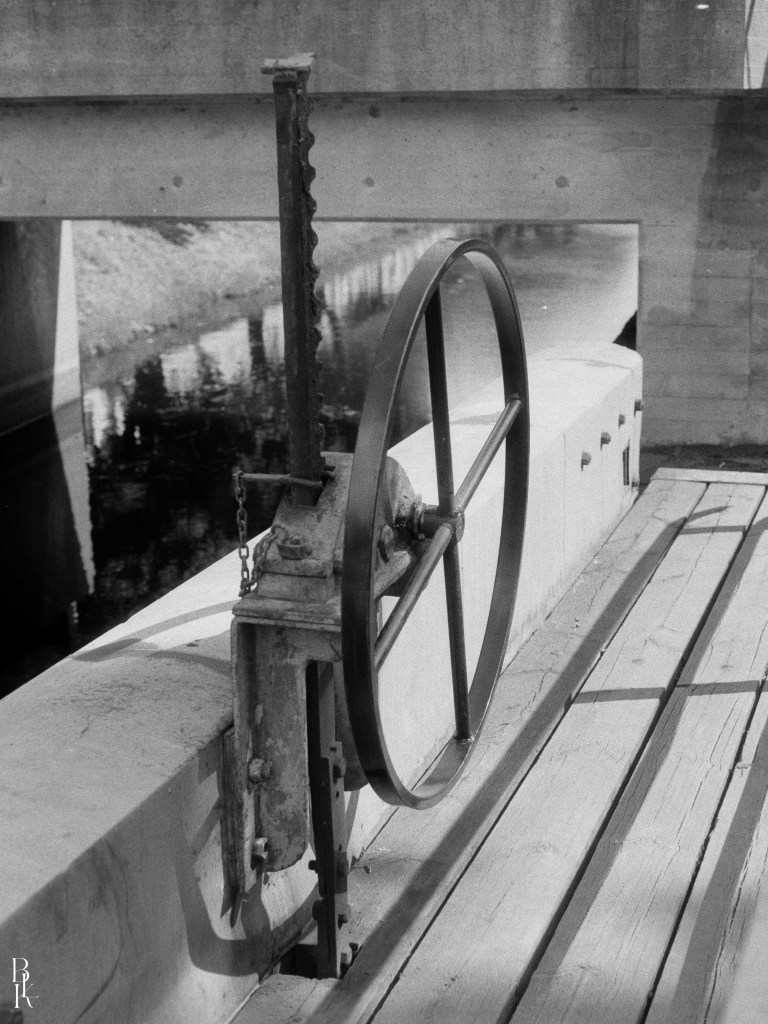
The first of these two rolls were shot last summer in Karlstad. This film was mainly shot at its IR-capacity with a 720-filter. The film was shot with an Olympus OM-1 with a standard 50mm Zuiko lens. I shot different locations, and I did some bracketing to make sure I had a decent exposure. I’ll add one shot here of some metal parts at a water lock in Karlstad. I just love how metal looks on black and white film developed in Rodinal.
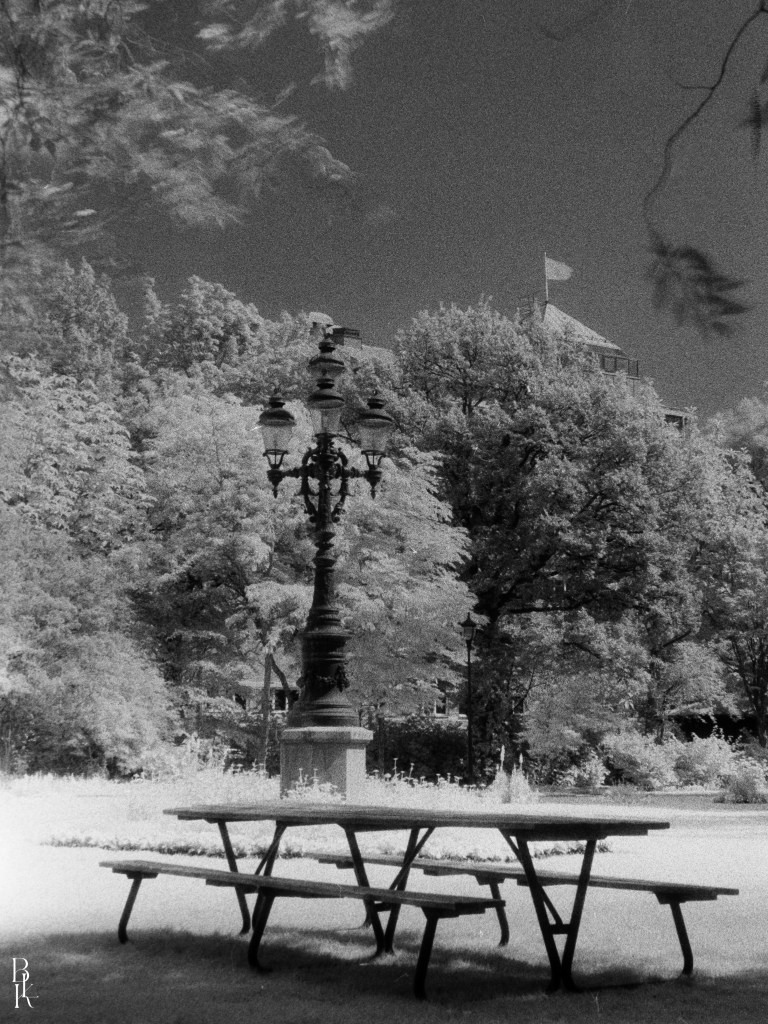
Here are some other shots from the first roll shot in the Olympus
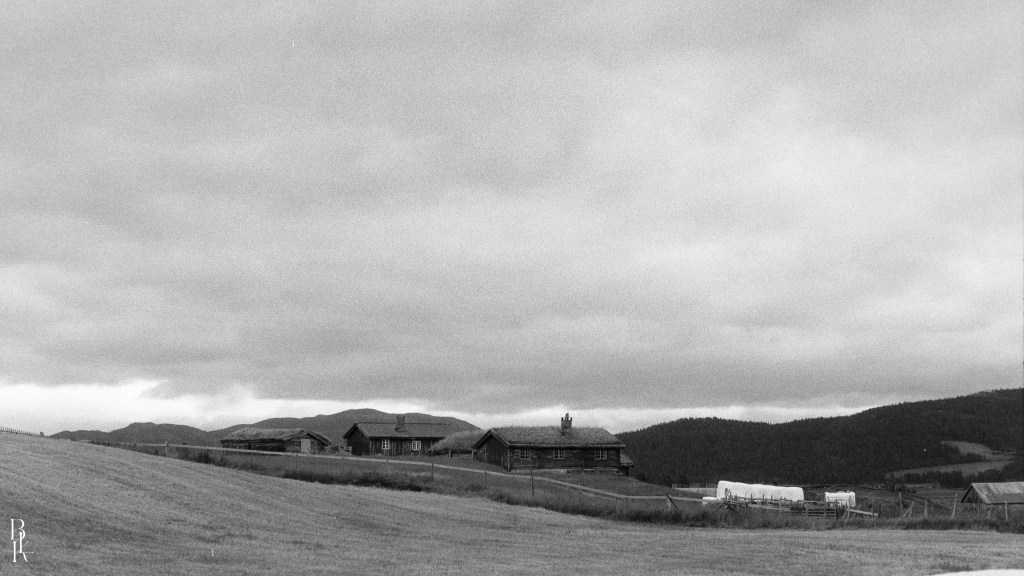

For the second roll, I decided to try using it more or less as a normal black and white film. I chose to use my Nikon F80 camera with a Tamron zoom lens 70-300mm. This being a lot more modern set-up with a relatively modern lens, I chose to go for photographing birds by the lake Mjøsa. I know a place where there are a lot of seagulls sitting on light posts and guarding their territories. I chose this as my location to test out the second roll as a normal black and white film.
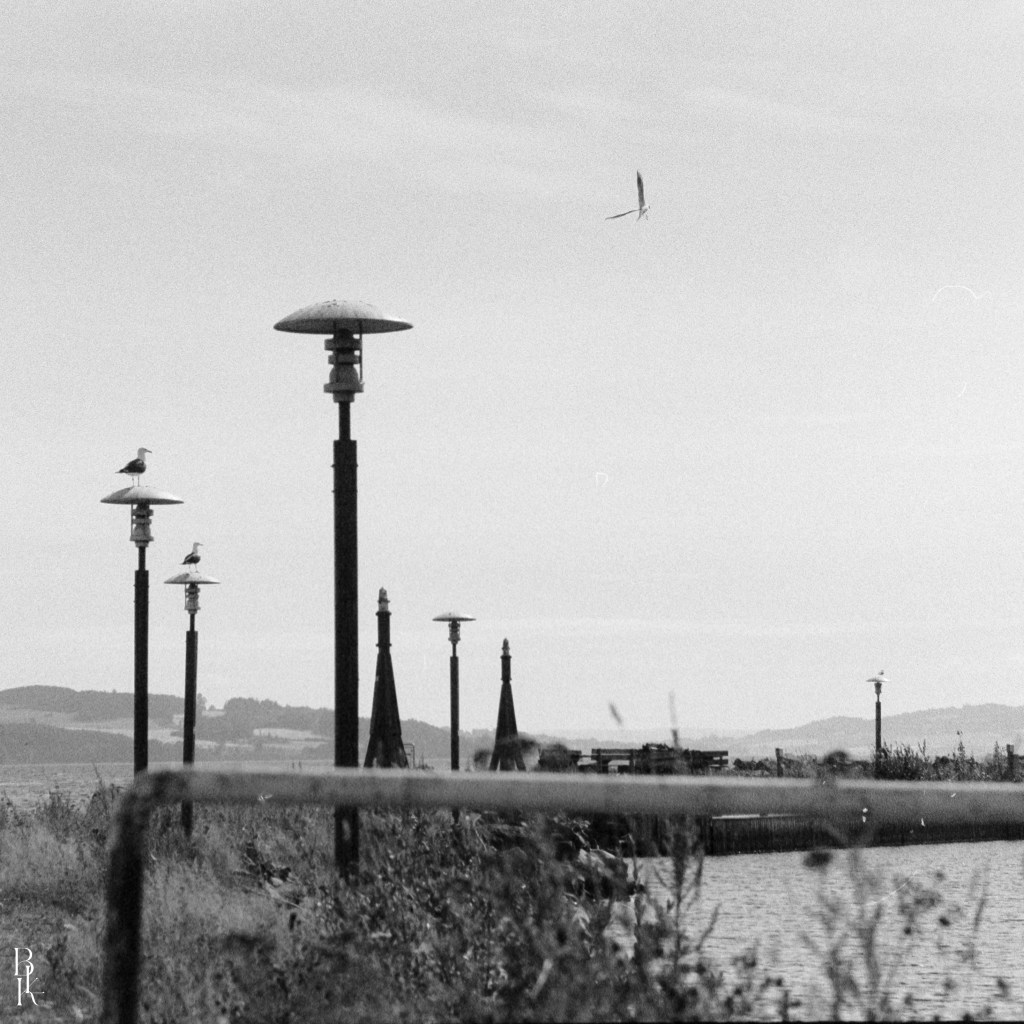
To be honest, I don’t really see any difference in these images as to why I would shoot SFX200 as a normal black and white film. I would get the same results with HP5. That said, I do like how it looks and how the image above turned out. The flying seagull makes it work for me.

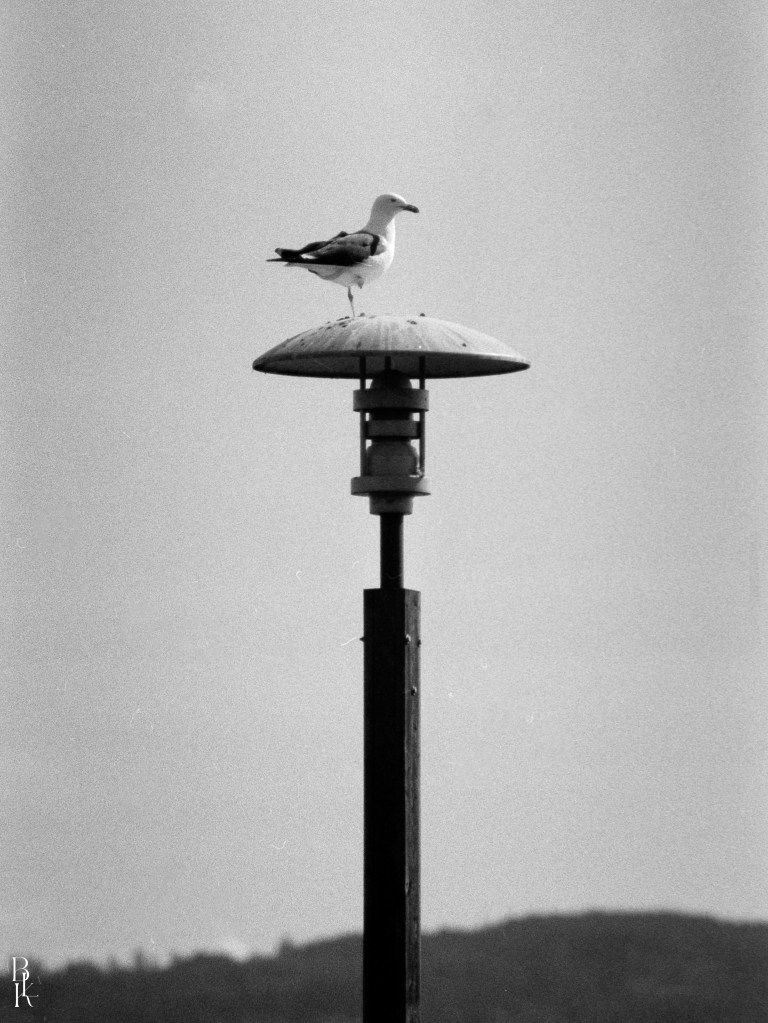
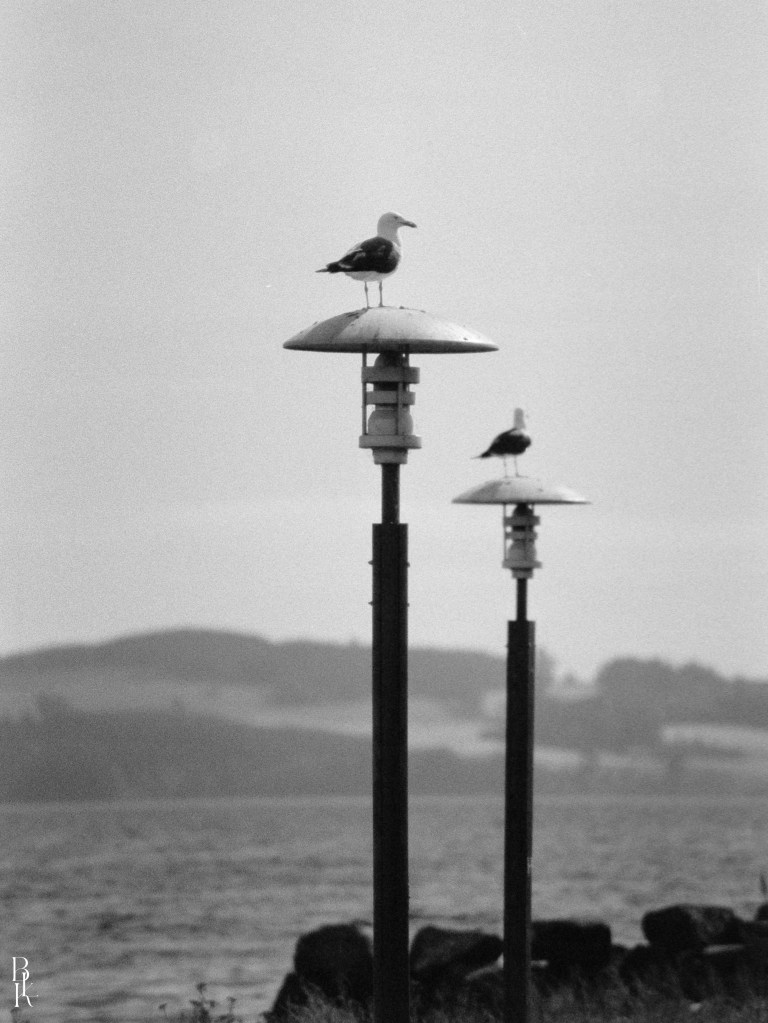
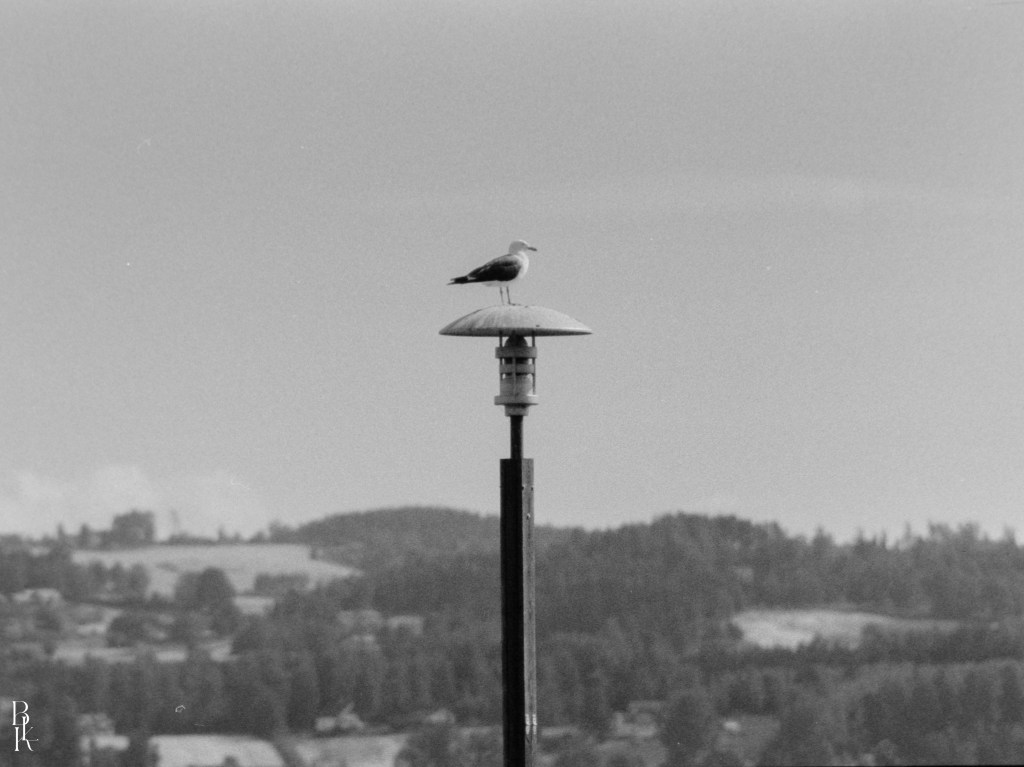
As a conclusion I can say that I absolutely love this film as a near-infrared film. I think it seems to be a more reliable emulsion than the Rollei films and I don’t see any major imperfections in it. Yes, it is grainy, but I like the way that grain looks and I even like it in Rodinal. As a normal black and white film however, I would rather shoot HP5, which both has a higher speed and is a tad less grainy.
Thank you for reading.

