A little test with Kodak Portra 160

For the past years, I have mostly shot digital when doing portrait shoots and other important shoots that involve use of colour. On my recent holiday trip to Denmark, I came across an old fashioned photography shop where they had a sale on «soon to expire» films. On this sale I found a five-pack of Kodak Portra 160, and I decided to give it a go.

I am one of those people who loves to develop films and I decided that colour or B&W, I’ll master the process myself. I did Colour development a few times some years ago, and knew more or less what I was going into, with water baths and temperature control. For chemistry I bought the Tetenal Home kit, which I have to say was really easy to use and fairly idiot proof if you do monitor the temperature.

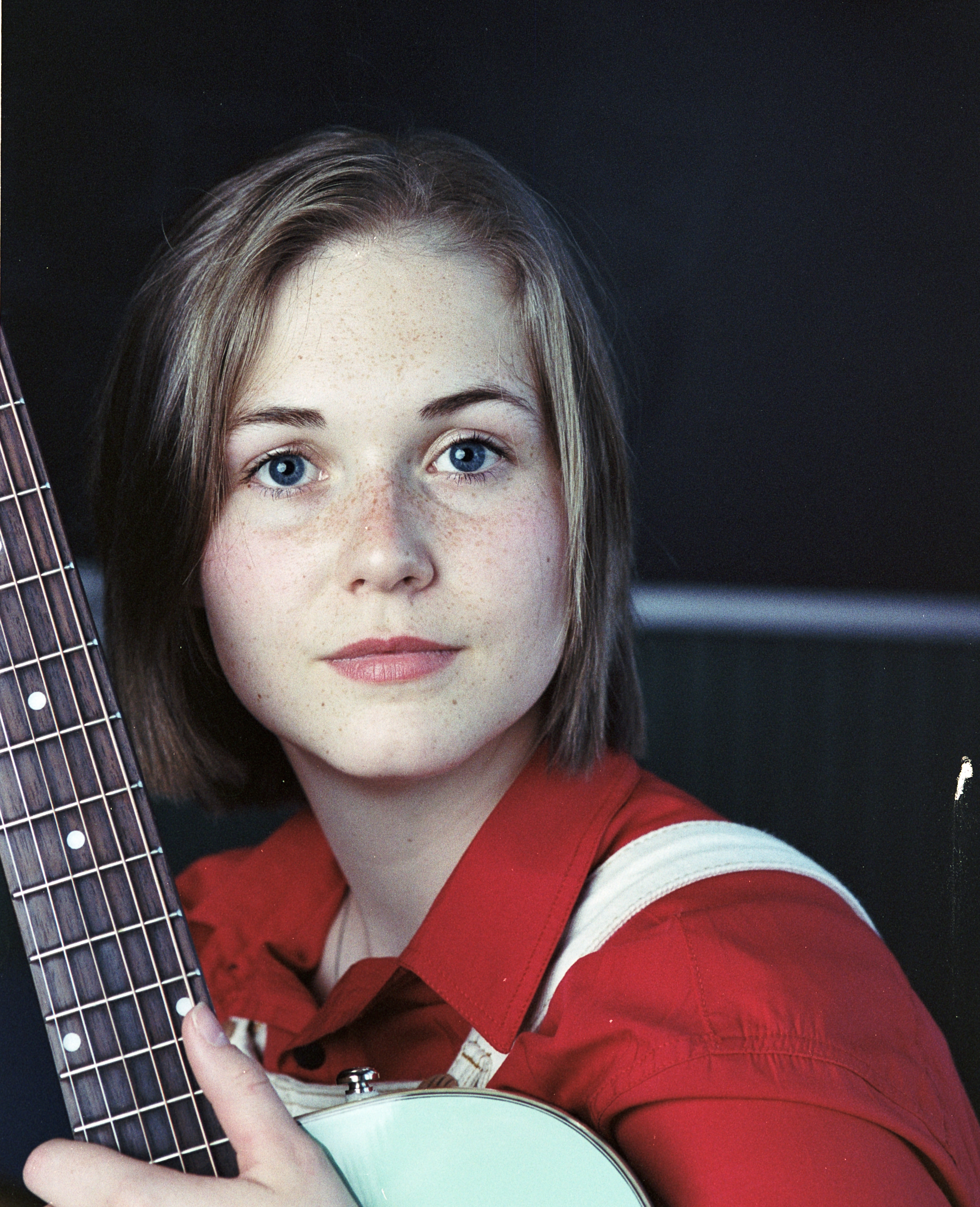
I stuck the Kodak roll into my Nikon F80, and brought it to a TFP-shoot with the lovely Hedda and her guitar. The Portra is well known for giving the nicest skin tones and I was curious about this as well.
Hedda and her Fender caught on Portra 160

I shot the film at box speed and kept it as I normally keep exposed film for a few days until I had the time to develop it.

I was amazed how simple and straight forward the Tetenal process really is. Remembering earlier experience with C41 as rather difficult I had no problems at all mastering this process. I used a Paterson tank and used the «stirring tap» to rotate the reel in the tank, as the process is made for rotation.

I am very happy with how the images turned out. The images you see here are untouched and straight from the Plustek Scanner I use for all my entries.

You can master any process.

“A portrait is not made in the camera but on either side of it.”

Edward Steichen

Sunny day at Dokka

Today, I had a portrait assignment in Dokka, a little town nearby, and I brought the Voigtländer with an Ilford Delta 100 loaded in it.

I had the Voigtländer well placed in its leather casing.

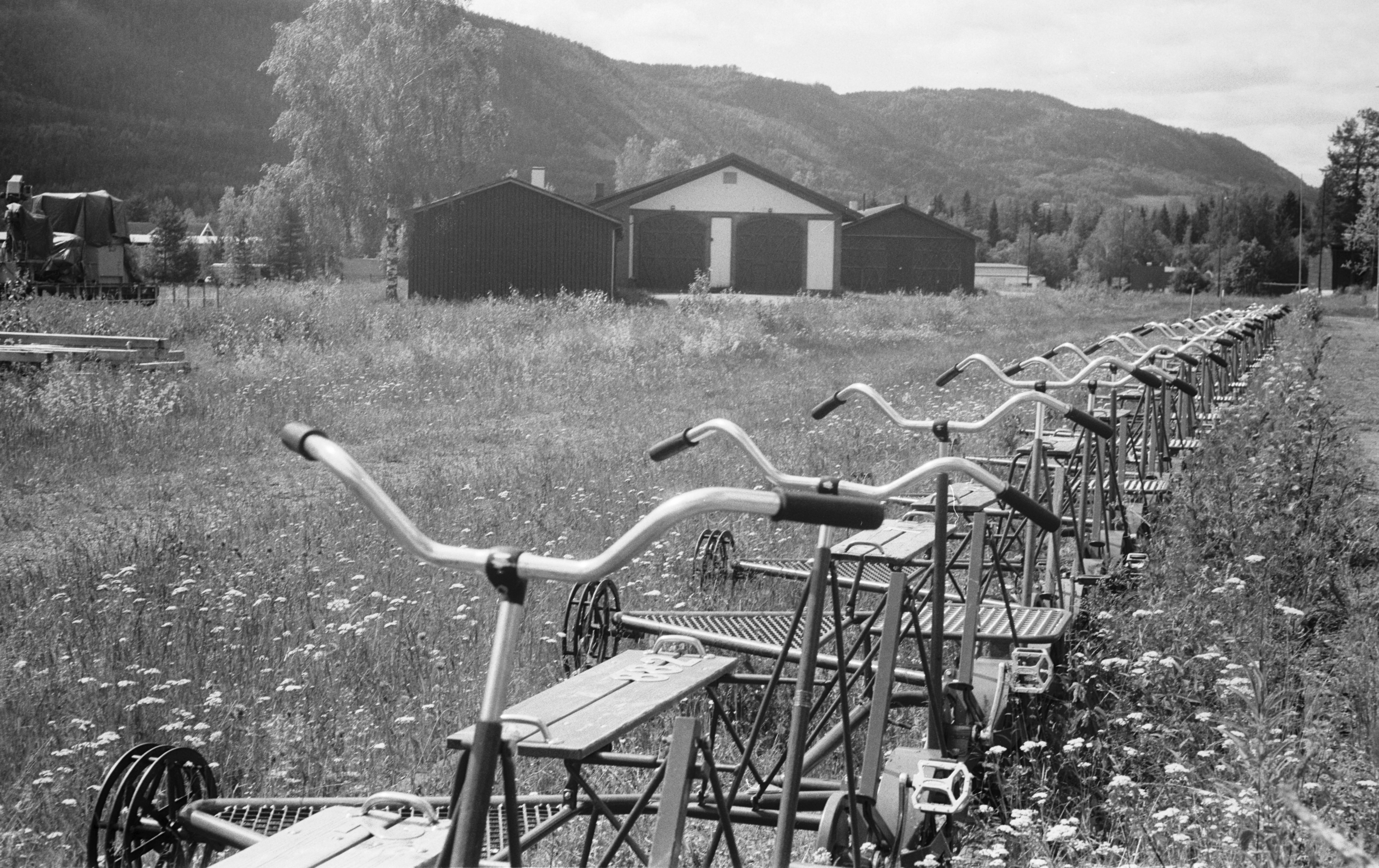
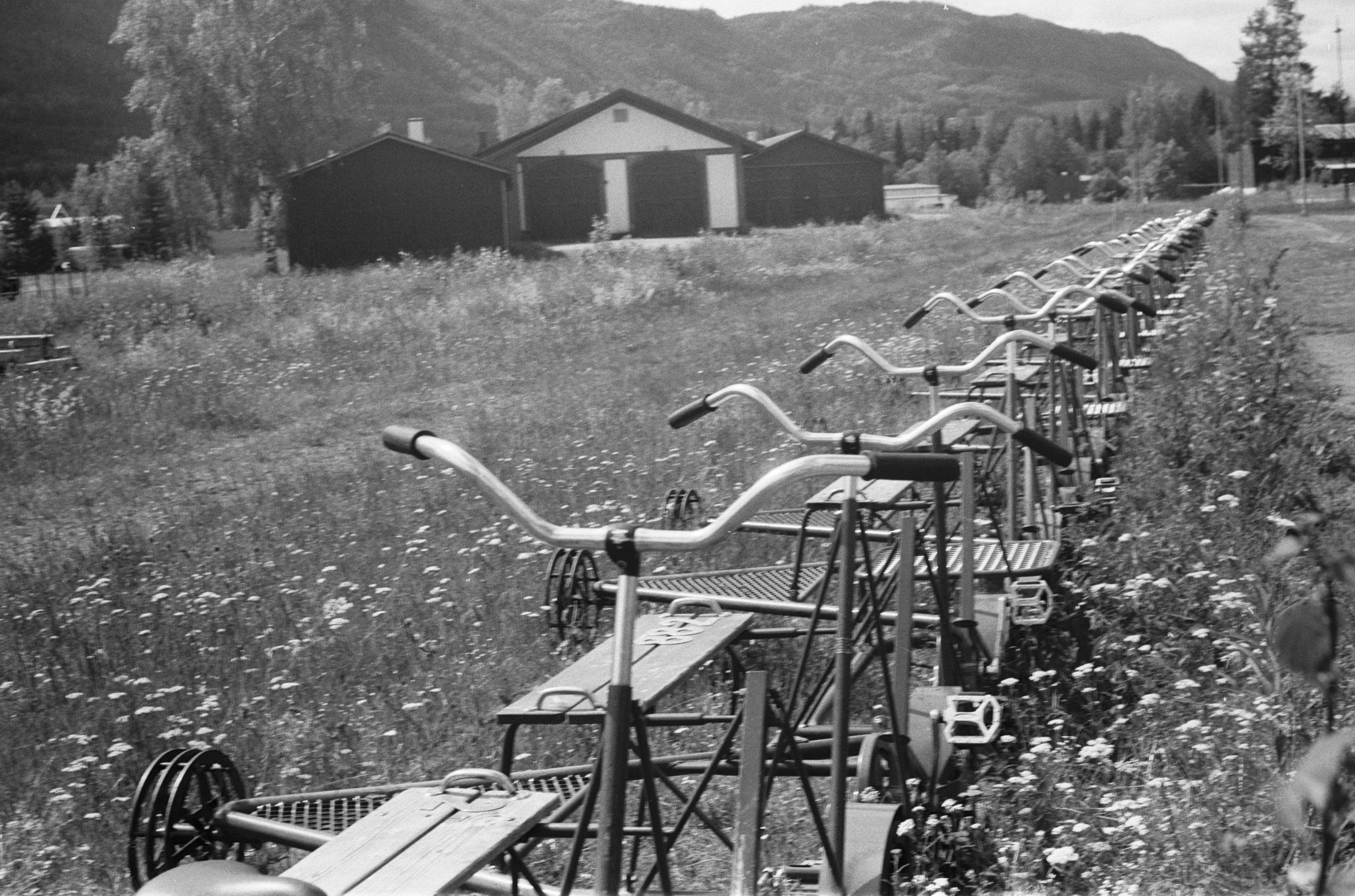
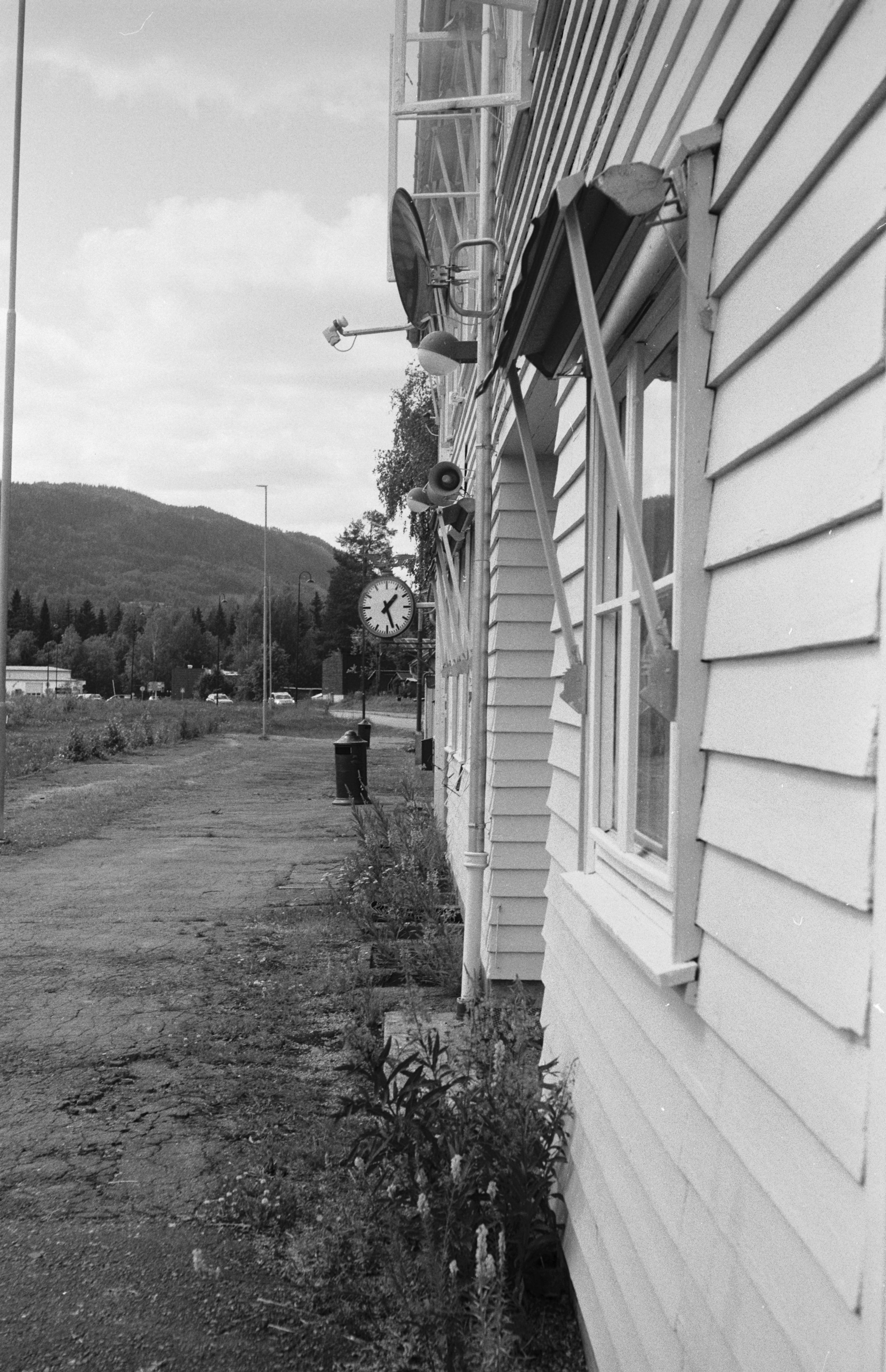
The location for my assignment was at a defunct railway station now used for rail bikes. I arrived a bit early to enjoy the sunshine and, hopefully, make some great images. I was not the only living creature enjoying the sunshine this lovely day. I also met some very social and eager horseflies and mosquitoes. A part of the Norwegian summer.

A little tip for shooting in Norway where light isn’t that bright; think «Sunny 11» not «sunny 16». The lighting conditions in Norway are not as bright as further south in Europe.

Maybe not in mint condition, but for sure a great model. And after all, the BMW still is on its wheels.

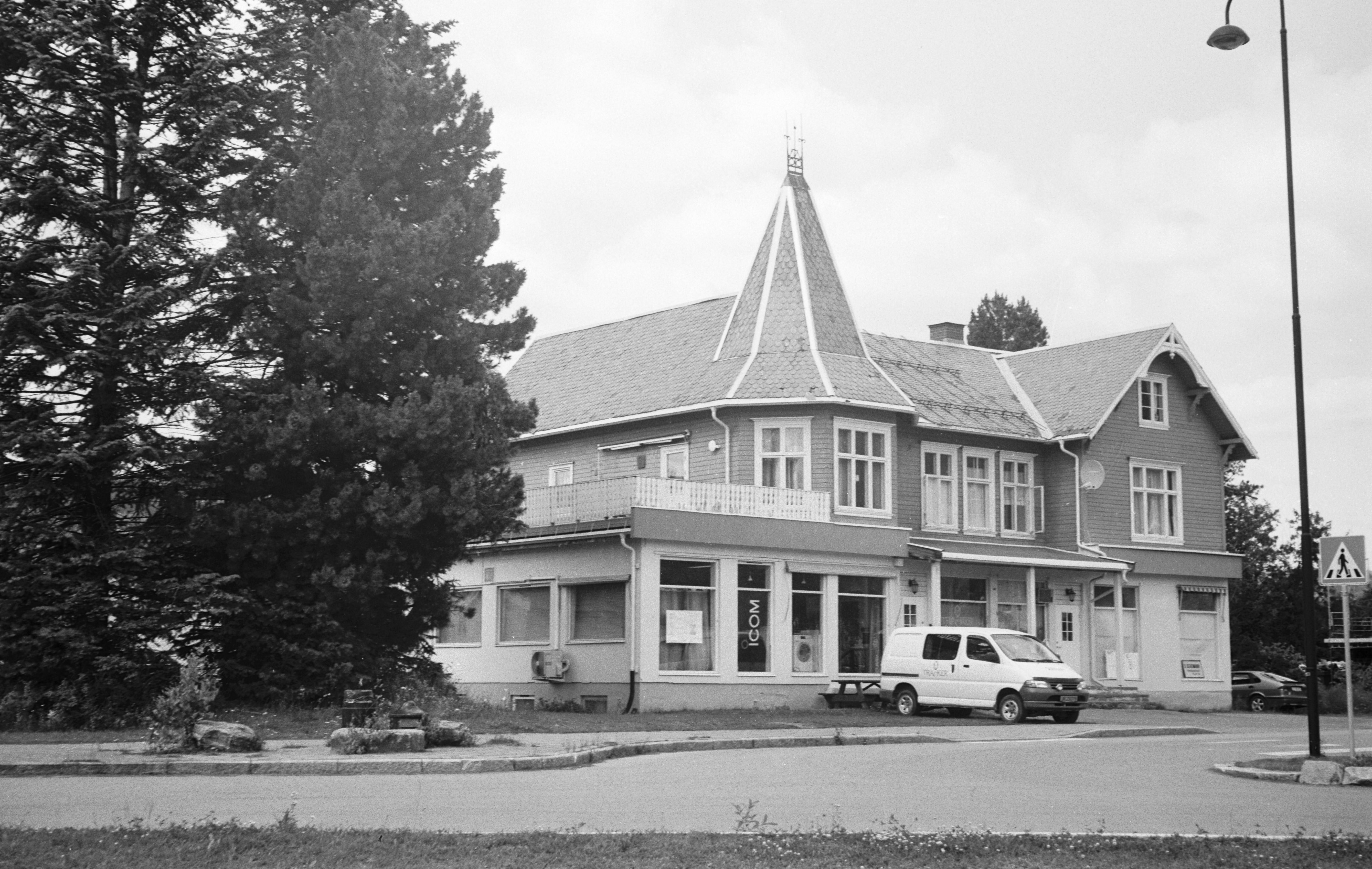
Since the Voigtländer is not a rangefinder or markfinder, the focus is based on guessing distance. Not too difficult for street photography and the lens is really interesting. Looking through the pictures after scanning, I can see that I should have used the sun shader following the lens.

I developed in Xtol 1:1 for 8 minutes 20 sec in 21 degrees chemistry. Then rinse and stop in water, and seven minutes fixer.

New for this development cycle was that I used a new termometer, as my last one died an Xtol death from falling into the tank of stock. RIP.

A Summer day adventure with a Voigtländer Vito B

A few days ago I got hold of an old Voigtländer Vito B in «unknown condition». I know from before that Voigtländers are relatively sound cameras, and took it for a test drive with a Kentmere 100 onboard.

The Voigländer used in this test.

The small viewfinder tells me that this is a camera from the earlier production years, between 1954 and 1957. The fucis is done buy measuring the distance manually and setting it manually to the camera. No rangefinder or markfinder.

It’s always fun to play around with an old camera like this, and I must say that despite it’s reputation for being «immensly grainy» I am very happy with the results the Kentmere 100 provides. My guess is that photographers complaining about the grain are either after a smooth as gold PAN-F like smoothness, or just overexposes the film and gets grain in the scanning process.

As previously with the Kentmere, I chose to develop in Xtol 1:2 and used 10 minutes in 24 degrees chemistry. The negatives came out fairly evenly exposed and I am happy with the results.