Trying out 645

For a while I have been looking to buy a 645 camera. Preferably a SLR of some kind and many different options have been considered. Both Mamiya 645, Pentax 645 and even some Hasselblads. However, some days ago, I came across a very reasonably priced Zenza Bronica ETR. I have had my experiences with Bronica. I once owned an Zenza Bronica S2 fitted with a beautiful Nikkor 80mm lens. I only sold this because it had the habit of giving me half frames a few times on each roll and I cannot afford wasting expensive film and possibly losing a strong shot due to a camera issue.

I contacted the seller on the ETR and we came to an agreement and got a deal together. Very reasonable and rather quick.

Zenza Bronicas are beautifully designed Japanese cameras, with incredibly sharp lenses and a rugged feel to it. The camera is heavy, about two kilos, and you can get them in different configurations. Later ones are more plasticky and lighter, but I don’t really mind the weight, as I often shoot on a tripod. My ETR came with a prism, eye-level viewfinder and a razor sharp 50mm f2,8 Zenzanon lens.

I went out the other day to test the camera, and I made some really beginner mistakes.

Fist of all, I used the wrong film. I loaded the camera with a Fomapan 100, because I had one lying around about to expire, and I found I could «waste that one» if the camera did not work properly. The biggest problem was that I went out on a very dull and overcast day where there was not really sufficient light to shoot 100 ISO. Because of this I had to shoot around 1/30th of a second, and I forgot to bring a tripod. A lot of motion blur later, I decided to discard the test and go out for another go with a different film.

Reklamer

This second time, I went out in the morning as the fog was lifting from the lake (Mjøsa) and went for a short session Trying to capture some magic. Wiser than last time, I loaded the camera with a roll of Kodak Tri-X 400, a film I don’t use that often but had lying around and went down to the docks in Gjøvik.

Before I went out, I had a coffee. I documented my coffee with an image taken at f2,8, maximum aperture at 1/15th of a second.
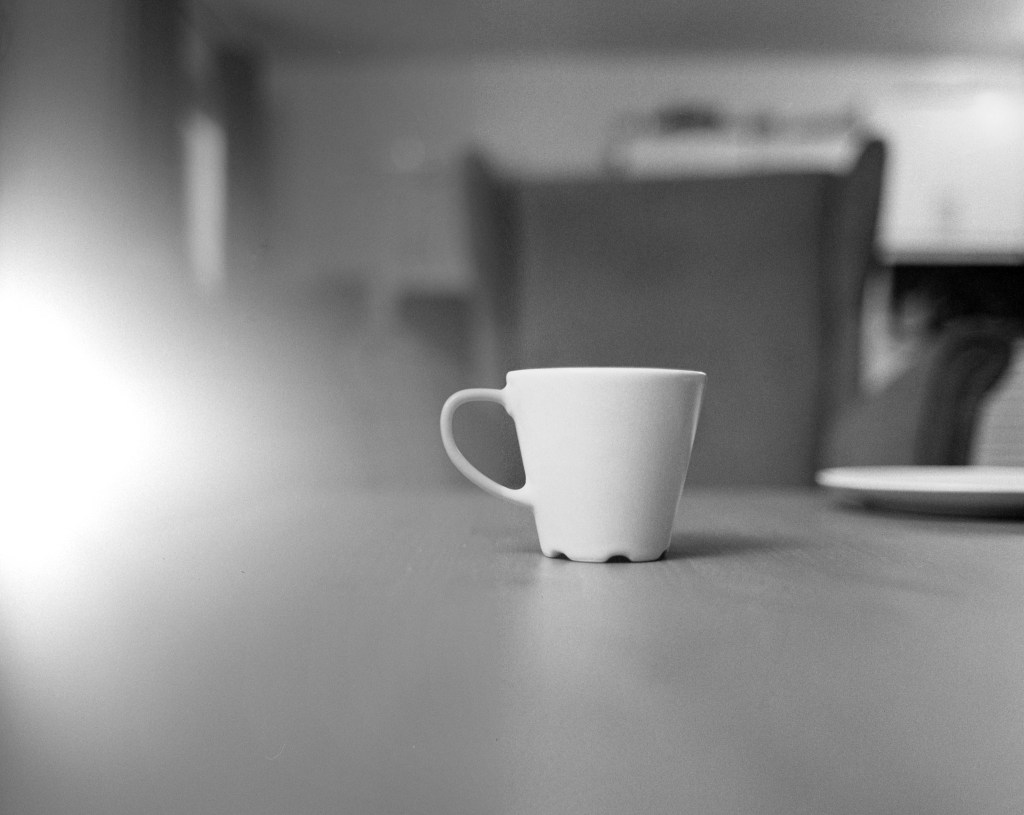
Zenza Bronica ETR w 50mm Zenzanon 2,8. Kodak Tri-X400@400 Fomadon Excel 1+1 9 minutes

I am really surprised with the smooth bokeh the Zenzanon lens gives me, and I find that the Tri-X grain and contrast gives the image a really nice tone. A tone I don’t often find with Tri-X as I find it a bit to punchy in the contrasts for my taste. Similarly I like the way it handled my location by the lake.
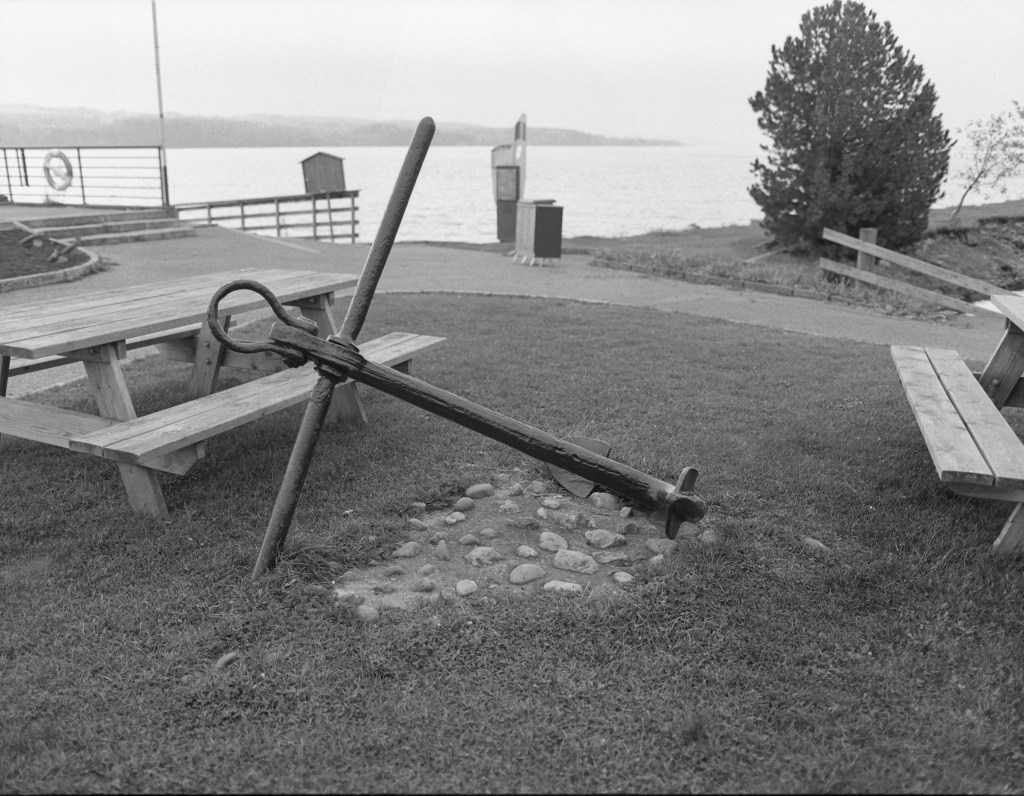
I appreciate the tones I got in the picture of the anchor. Shot at f4, it gave me a perfect depth of field for this image and the Tri-X tones gives the smooth tones. I also love the way the background disappears into the fog behind.

In a slightly under exposed image of some birds fleeing away from the Norwegian winter which is approaching in a months time. I find this image to be a bit «gritty» but I will attempt to make a beautiful print of this image in the darkroom.

All in all, I am very happy with my new Zenza Bronica ETR, as well as my expedition into 645 format, and will shoot it regularly in the future.

Stay tuned
Reklamer

Double tryout

A few months ago, I ordered a few rolls of StreetCandy ATM 400 off their own website. From previous experience I know that street film is very contrasty and that they are great to pull. I put one of the rolls in a new camera that I bought and planned to take it for a little spin around the area, looking for architectural shapes, trying to find shadows and deep contrasts. The trip did not happen because of Norwegian summer and some weeks of rain and dull weather.

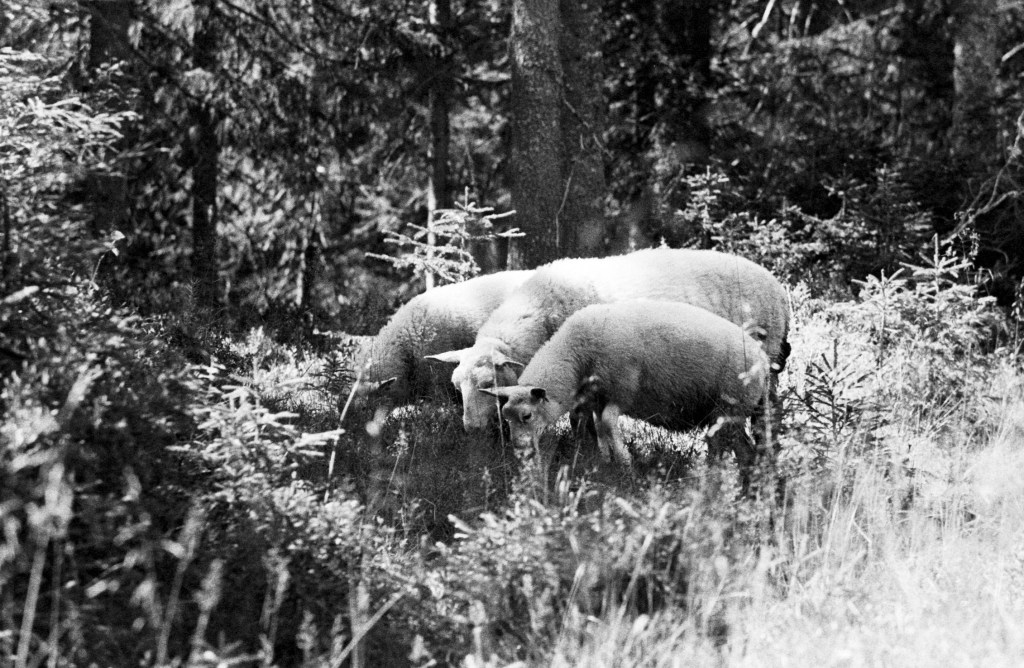
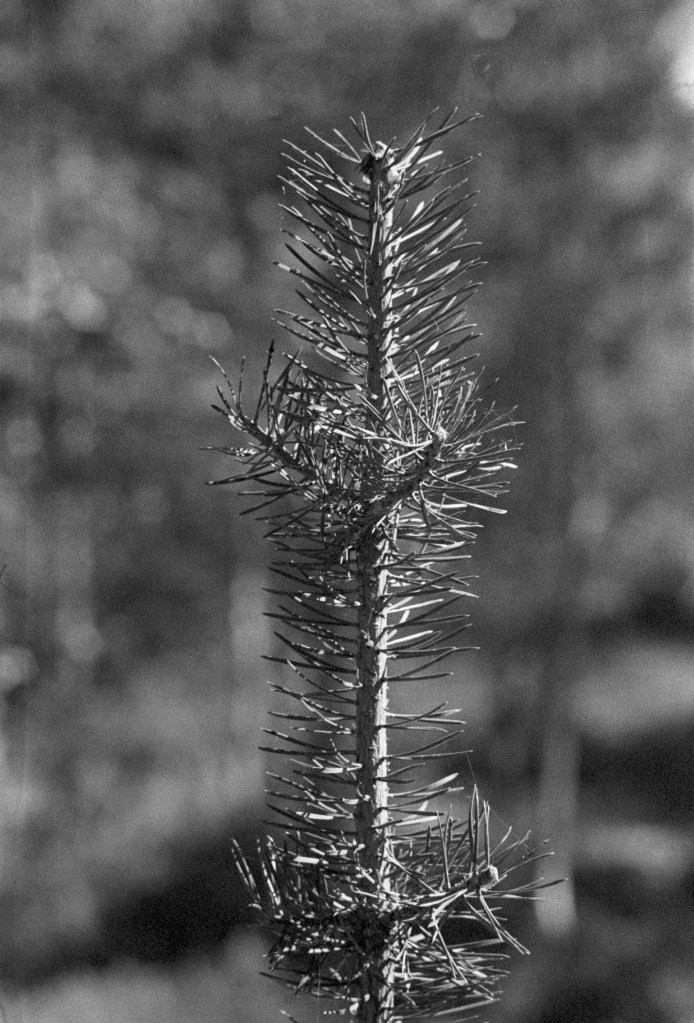
The other day though, I went out for a hike in the forest looking for some sheep and forest details to photograph. I decided to try out the Street Candy at box speed for this trip, and I shot the whole roll of film that was in my camera.

The Camera

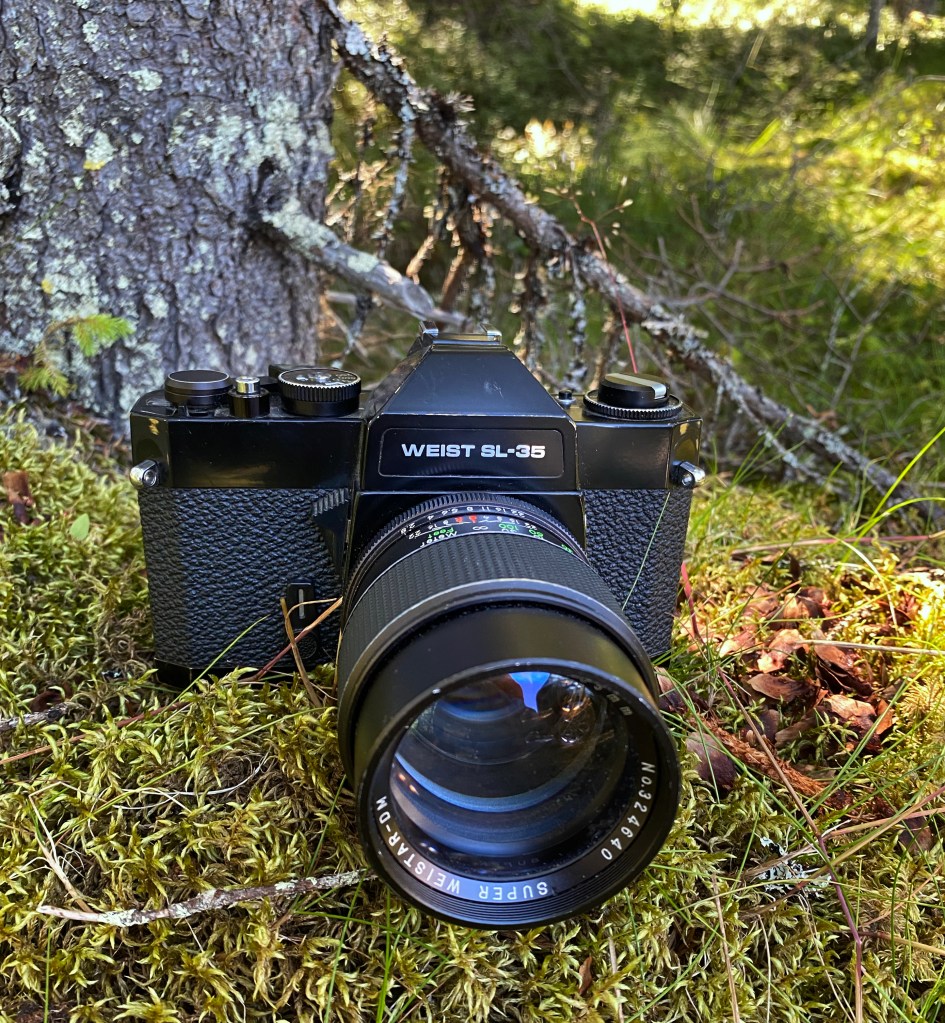
I love old, interesting and manual cameras. I often frequent thrift-shops and charity shops to see what kinds of old, forgotten and dusty stuff they have on their shelfs. On a recent trip to a local charity shop, I picked up a Weist SL35 with a «Super Weistar 135mm» lens. I have tried to google the camera, but not much came up. The best lead is that it could be a rebadged Chinon CX. Nonetheless, it is heavy as a brick and feels sturdy and solid in your hand.

I am happy for any details on this camera, as I do not know much about it other than that it seems to work perfectly and accurately. Even the lightmeter is working and fairly accurate based on this shoot.

Reklamer

This was my first time trying out this camera, and I must say that this camera will become a frequent companion for me. the M42 screw mount makes me able to use some of my favorite lenses, and it is surely more accurate than my Zenith Olympic Edition.

The film

As I stated earlier, the film I used on this trip was a Street Candy ATM400 street film. You can buy it from the manufacturer’s own website and at a fairly decent price. Be aware that they use the slowest shipment partner you can imagine. From their address in France to mine in Norway, it used more than two months. I have tried to imagine how that can even be possible. In the current Covid-age I could have traveled to France, stayed two weeks in quarantine, picked up the film, traveled back to Norway, stayed two weeks in quarantine. This whole process would have been a quicker way of getting the film, than using their shipment partner.

My guess is that their films are delivered by just one man, picking the film up at their address, walking to a port somewhere in southern France. Who then jumps in a rowing boat, rowing around Gibraltar and over the Nordic Sea to deliver it. Probably.

Reklamer

From their own website, you can learn something about this film. It is a medium speed, 400 ISO, film originally made for surveillance cameras to keep people safe. In the modern days, these systems have turned digital, and the films are unnecessary. Street-Candy has made this film available for film photographers to use, and I am truly grateful. This film is great, even when I took it out of its comfort zone and into the first.

Not what it was originally made to photograph.

The grain-structure is beautiful and very fine for a 400 ISO film, but as most other street films, it is very contrasty. In my negatives I saw the contrast immediately, and some were to contrasty to turn out anything in this setting, and a normal Tri-X or HP5 would maybe be a more suitable choice for this kind of shoot, but some of the results were really unique.

On Street-Candy’s website, it advised to refer to the same development cycle as for Ilford HP5 plus, which I did on this cycle. Eight and a half minutes in Xtol 1+0 and then normal stop and fix, rinse and Photoflo.

Reklamer

I am looking forward to trying out my other rolls of this film both for proper street photography and pulled one stop for portraits. I can imagine brilliant results from this film. I am also surprised to see how well it coped in the forest with the sheep and structures I found out there

All in all I am very happy with both the camera and the film, and if I would order this film again. If you come over a Weist SL35 at a decent price, it is worth buying. My cost 35 Norwegian kroner, approx 3,5 Euros.

There are always two people in every picture: the photographer and the viewer.

Ansel Adams

An old-camera adventure

The oldest camera I own is an Argus C21 from 1947. I bought this one rather cheaply last summer and it was in «unknown» condition. I tried a film in it back in last summer, but the back lid, fell off and the film got ruined. Then i forgot all about the little Argus.

Today I brought the old Argus back to life with a Kentmere 100, and brought it along as I went for a little drive.

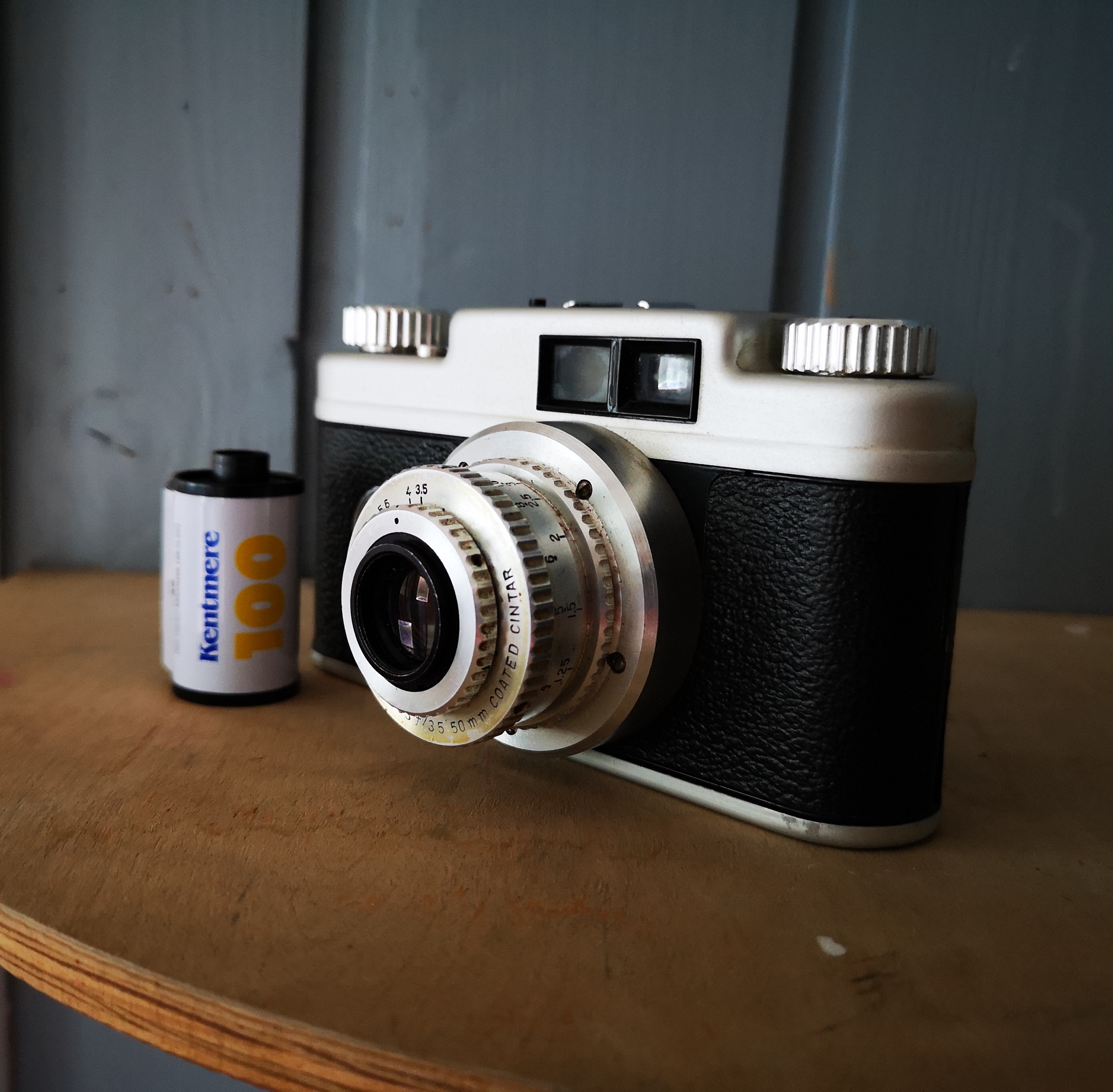
A little documentation image of the Argus C21 and the film.

When the negatives came out of the tank, they looked farily evenly developed and exposed, but when scanning and working with the negatives, it is clear that the lens sufferes from some hazing and probably build-up of dust.

That said, I am really intreagued by the results, and they show that the old Argus still has a sharp eye.

Also, the Kentmere 100 shone with its traditional grain structure, and gives the images a really old fashioned look, even in Xtol. The development cycle for this round was Xtol 1:0 9 minutes 45 seconds at 18,5 degrees. Then I used a water stop, six minutes fixer, rinse and photoflo. Images turned out ok.

The camera does also scratch the film slightly as you can see in this photo. It might be mendable, but I do not mind a few scratches from a camera this age. Especially not at the price I payed, around 15£.

Also, I like how the Argus focuses, It gives a really sharp middle of the picture focus and a gentle unsharpness at the edges, making a vignetting effect which is pleasant.

As always, images in this blog are untouched by Adobe. Straight from the Plustek-scanner.

A little walk with the Petri

Today, I had a portrait assignment at a local museum ground, and I decided to arrive a bit early to have a little adventure with the Petri before my shoot. A few days ago I got a few interesting films in the mail, and i decided to try one of these films; an Astrum Foto100, from what I understand the company that bought Svema, when they ran out of business.

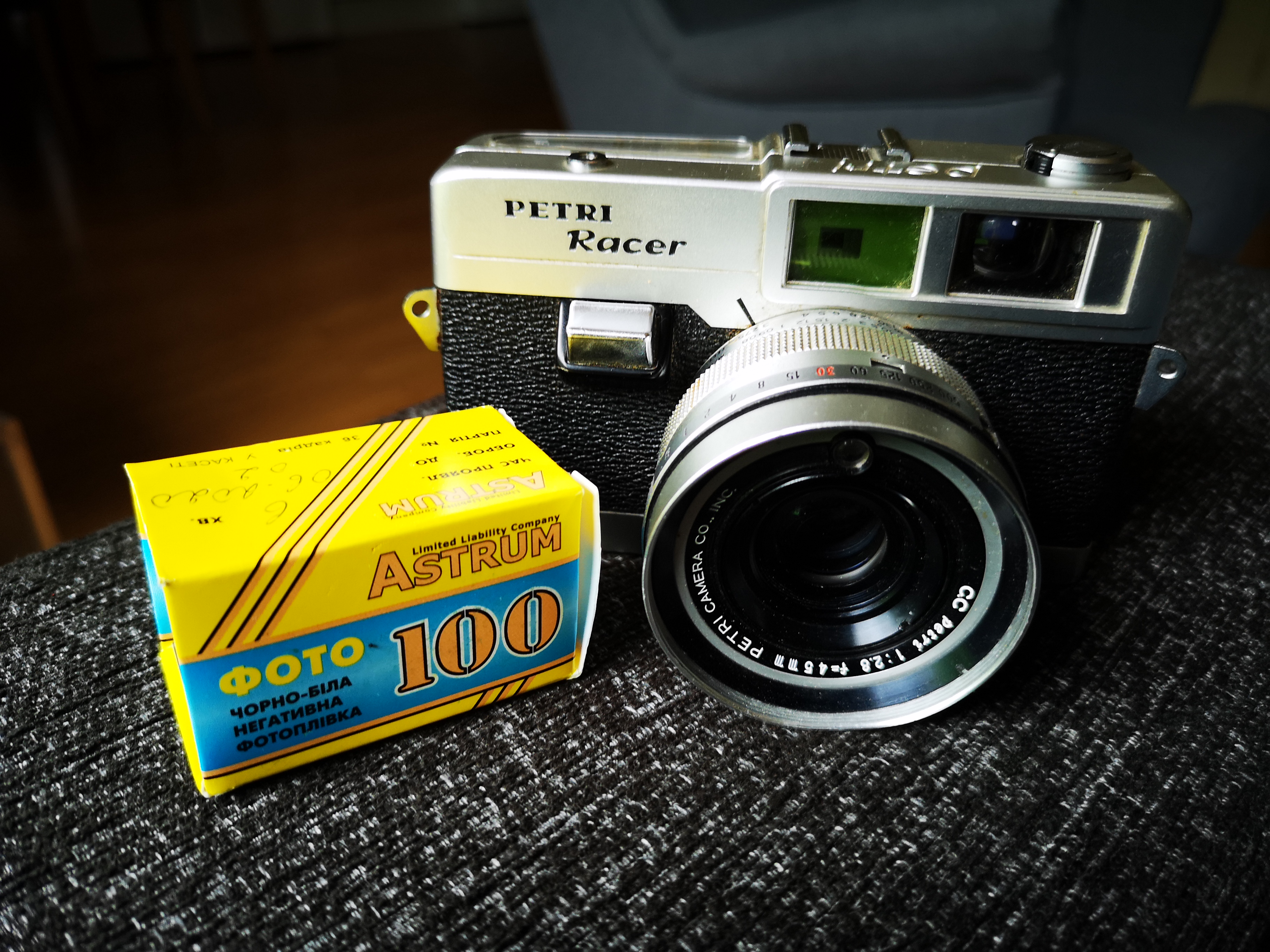
A documentation picture of the Petri and the Astrum.

I was curious about the Astrum-film, since I had never heard about the brand. Also I could not find development instructions anywhere for Kodak HC110 and Astrum Foto100. After some browsing I found a very interesting blog, where the time 9.45 was suggested for 20 degrees water. My water was 21 degrees, so I ended with 9.02 for the developer.

I shot the film using the sunny 16 rule, or as is more appropriate in Norway, the sunny 11, rule. Our sunlight is not as bright as some other places in the world.

I fired mostly landscape photos, using apertures between f8 and f16, and had a really nice little walk around enjoying the sunshine and the Petri’s company. And when removing the negatives from the tank, I was amazed of the fine grain, range and general quality of the images. Also, the negatives were crystal clear.

A sample photo.

The Astrum Foto100 is definitly a film I will use again, and I’m very surprised that HC110 is not listed as a recomended developer with this film. I have to say I am very happy with my results, and would use this combination again. I am also curious to test a film this great with X-tol or Rodinal.

“Color is everything, black and white is more.”

Dominic Rouse