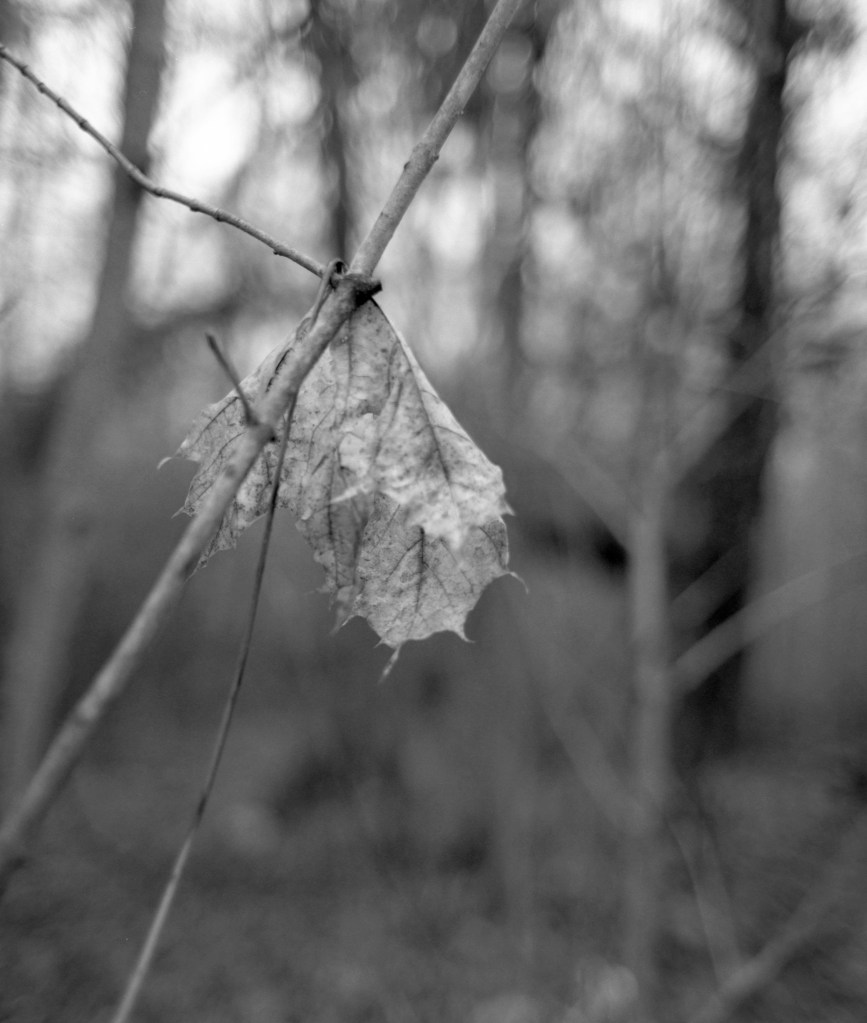
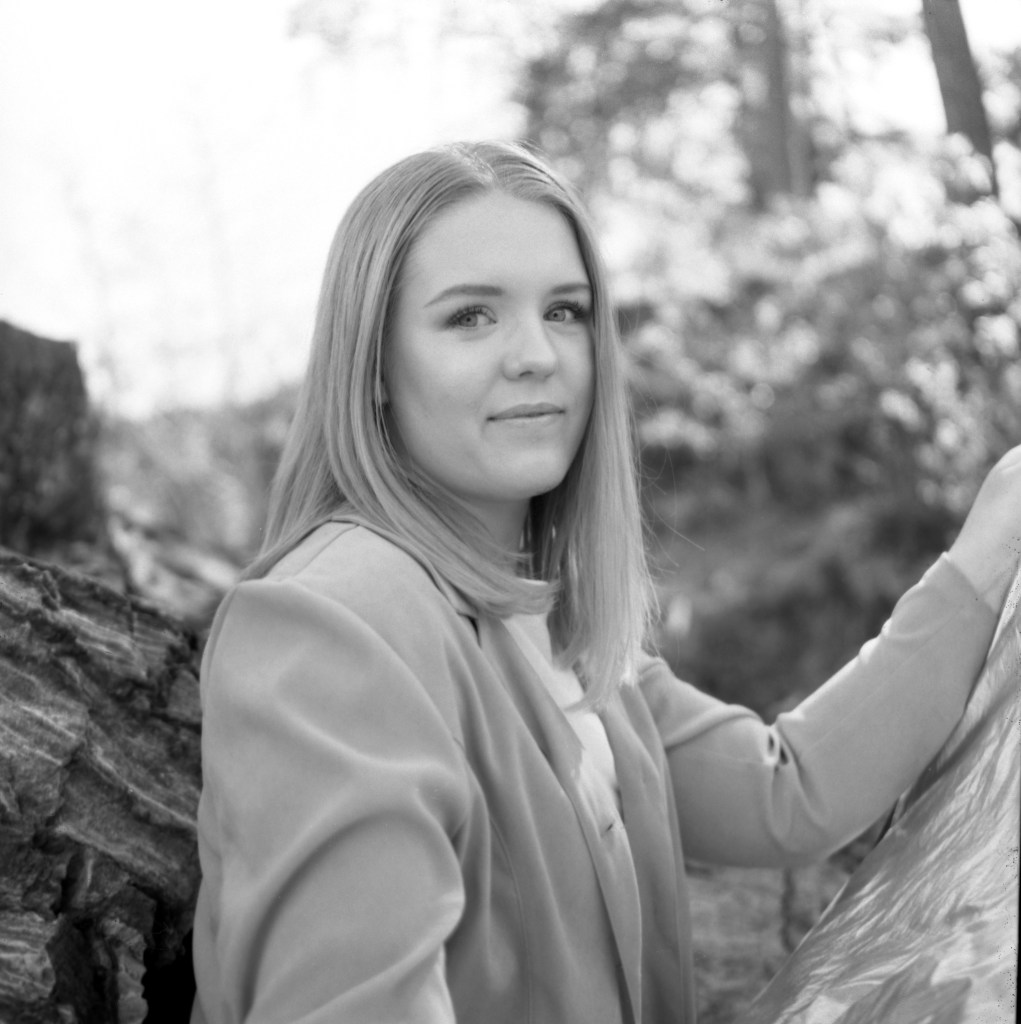
In my previous entry, I went out in the grey, misty Norwegian November to take some calm and pleasant pictures with my Bronica ETR and a roll of Ilford Delta 100. I also tested a new developer, Ilford DD-X, and I was very pleased with one of the images. So pleased in fact, that I decided to take a trip into the darkroom to make myself a print for my own wall at home.
The picture I chose to work with.
I brought along my GoPro and made a very basic and amateur video coverage of the darkroom session. My video skills are not good, and this is actually the first time I have tried to mount together a video in this way. I might do more of these.
Analog photography is has the loveliest tones imaginable for vintage style photography. The special look an old lens gives is an exquisite vibe to your photo that no digital preset can really copy, and the feeling of doing this with vintage equipment adds an extra element. Photography is not just about the picture, but the way to get there and the feeling of the process.
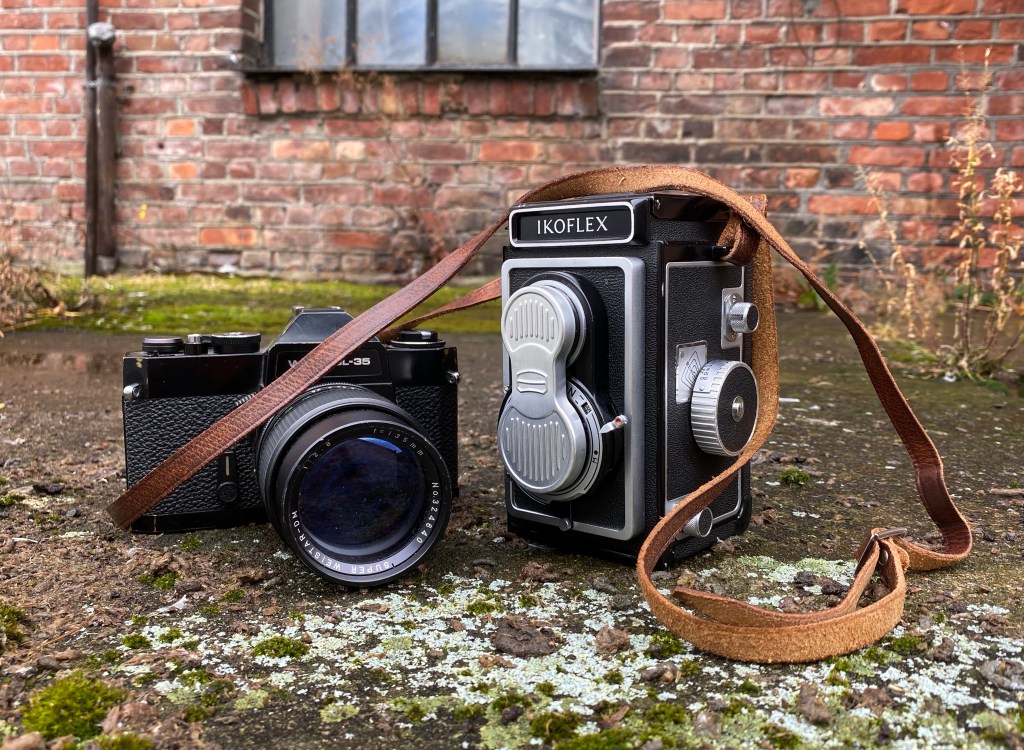
Yesterday I went out to photograph my friend Frida and her lovely 1950 Ford Shoebox. To go with me for this shoot, I chose two cameras. The Weist SL-35 and my lovely TLR, the Zeiss Ikon Ikoflex. Both these cameras are reasonably accurate and has sharp lenses that does really bring out that «vintage feel». I rolled up both cameras with Ilford FP4 Plus, A film that for me is my first choice when I want that «Vintage feel». This film has a really fine cubical grain structure, and has a more visible grain than other films around its speed, and I love how this grain structure affects the images.
My equipment for this shoot. Zeiss Ikon Ikoflex medium format TLR and the Weist SL-35, 35mm M42 SLR.
We met at a lovely location in Kapp just south of Gjøvik. This location used to be a condensed milk factory back in the days, but today it is used for cultural purposes among other things.
Reklamer
We first set off with the Ikoflex. I shot as close to f4 as I could get, and did some bracketing with f5,6 to be sure not to overexpose too wildly. I shot the Ikoflex at its highest shutter speed around 1/300th of a second, but my guess is that this shutter speed is a bit slower. Probably around 1/250th which is still very good for a 70 year old camera like this.
Zeiss Ikon Ikoflex. Shot at f5,6 shutter speed around 1/250th of a second. Ilford FP4 Plus, developed in Xtol 1+1 for 10 minutes.
I refer to the Ikoflex as «the bird box» and this is one of my absolute favorite camera in use. When I bought it, it came from a Swedish Zeiss collectors house, and the seller did not believe that it worked. Probably because he didn’t really understand how it works. These cameras have their specific way of use, and you will not be able to shoot this camera if you don’t know how to load film in it and how to set it up.
When we were done with the film in the IKOFLEX, I changed it for some Kodak Portra 160, but these images are not included in this entry.
Reklamer
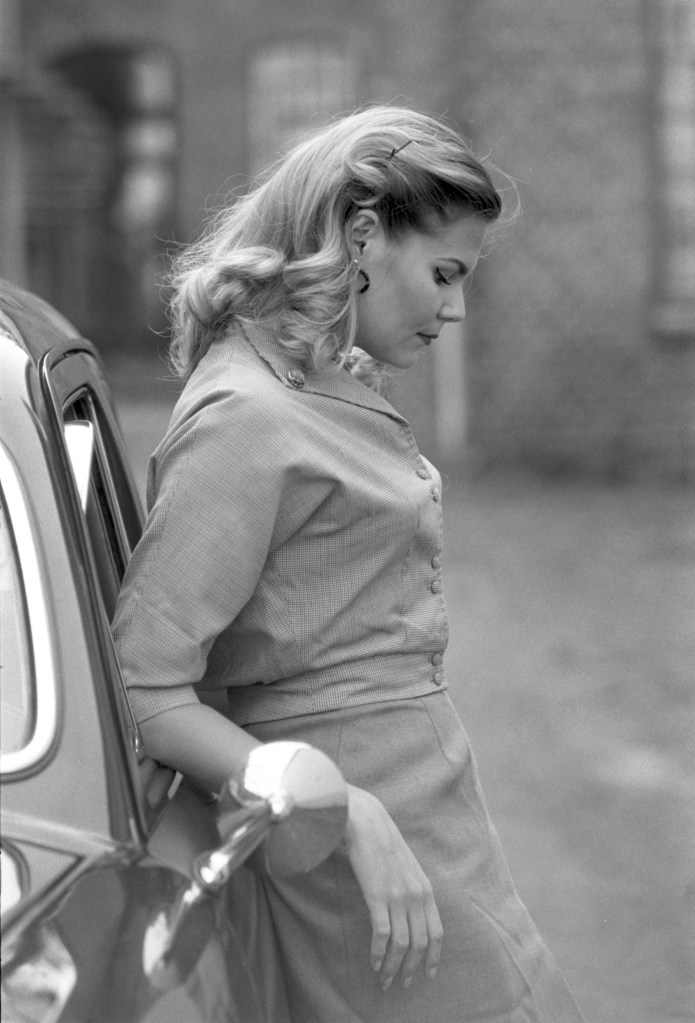
We then set off with the Weist and its exquisite Weistar 135mm lens. I also shot this one as close to F4 as I could to get that lovely bokeh you get from this lens. This is the first time I tried this camera and lens for a shoot with a model, and I am very happy with how it performed.
Weist SL-35 with Weistar 135mm M42 lens. Ilford FP4 Plus shot at box speed. Kodak Xtol 1+1 – 10 minutes.
These are just quick scans of the negatives. This shoot will be finished as Darkroom prints. Whether the prints and the process of making them will be entered in this blog is yet to be decided.
All in all, I am very happy with how both cameras performed during this shoot and I feel humble and lucky for being allowed to with with people like Frida, who is on board with the analog nerdity.
Photographs open doors into the past, but they also alloq a look into the future
A little while ago, I was given a roll of 120mm film from Japan Camera Hunter named the «Streetpan 400». I tried it out and got beautiful results with high contrasts and exquisitely fine grain for a 400 iso film. The deep contrasts got me thinking. How would this film work for portraiture?
I bought a few rolls directly from JCH in Japan, and due to the Covid 19 situation it took a while for them to arrive. When it finally came I put a roll in my Zeiss Ikon Ikoflex, cheap TLR, and decided to bring it to take some portraits with Ada. We met at Kremmerodden, a lovely location in Norway and took some pictures.
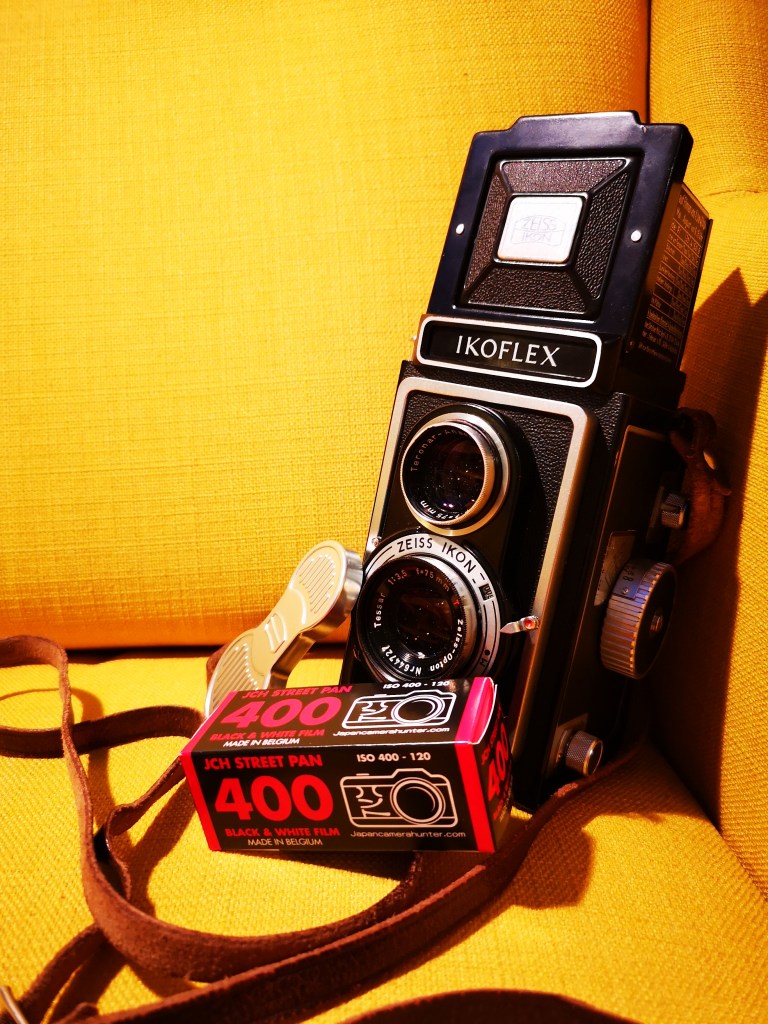
The Zeiss Ikon Ikoflex, with a roll of JCH Street Pan 400
I decided to shoot the film at 200 and develop a bit shorter (pull processing) in order to retain some shadow detail. This film is widely discussed online for its ink-black shadows and high contrast, and for portraits in direct sunlight, this was not my biggest wish.
I will not go deep into anything technical about this film, I am no expert on emulsions and films, and there are millions of reviews and opinions about it available online.
I was very uncertain about how this film would handle being pulled a stop, but I am happy to report that it deals well with one stop over exposure.
My process was:
One minute presoak in water to remove the anti-halation layer. This water comes out nearly black.
Development in Kodak Xtol 1+1. Development time for this film at 400 is 17 minutes. Since I pulled it one stop, I reduced the development time by 20% and a total development time at 13 minutes 40 seconds with agitation every minute.
Water-stop and fix as usual
15 minutes under running water for wash.
Final wash with Photoflo
I am happy with the results. What you see here are scanned negatives that have been merged and somewhat cleaned in Photoshop. I will take some of these negatives to the darkroom for printing there later.
Zeiss Ikon Ikoflex – Japan Camera Hunter (JCH) Street Pan 400@200, Xtol.
Do I like this film for portraits? Yes. I would use this film again for portraits and pull it to 200 for certain portraits. Especially portraits where I want to retain some contrast and get a nice palette of grey. However, for portraits at this location, I’ll probably stick with Ilford FP4 box speed or Kodak Tri-X at 200.
Thanks for reading
“The camera is an instrument that teaches people how to see without a camera.”





 Cheap Camera Adventures