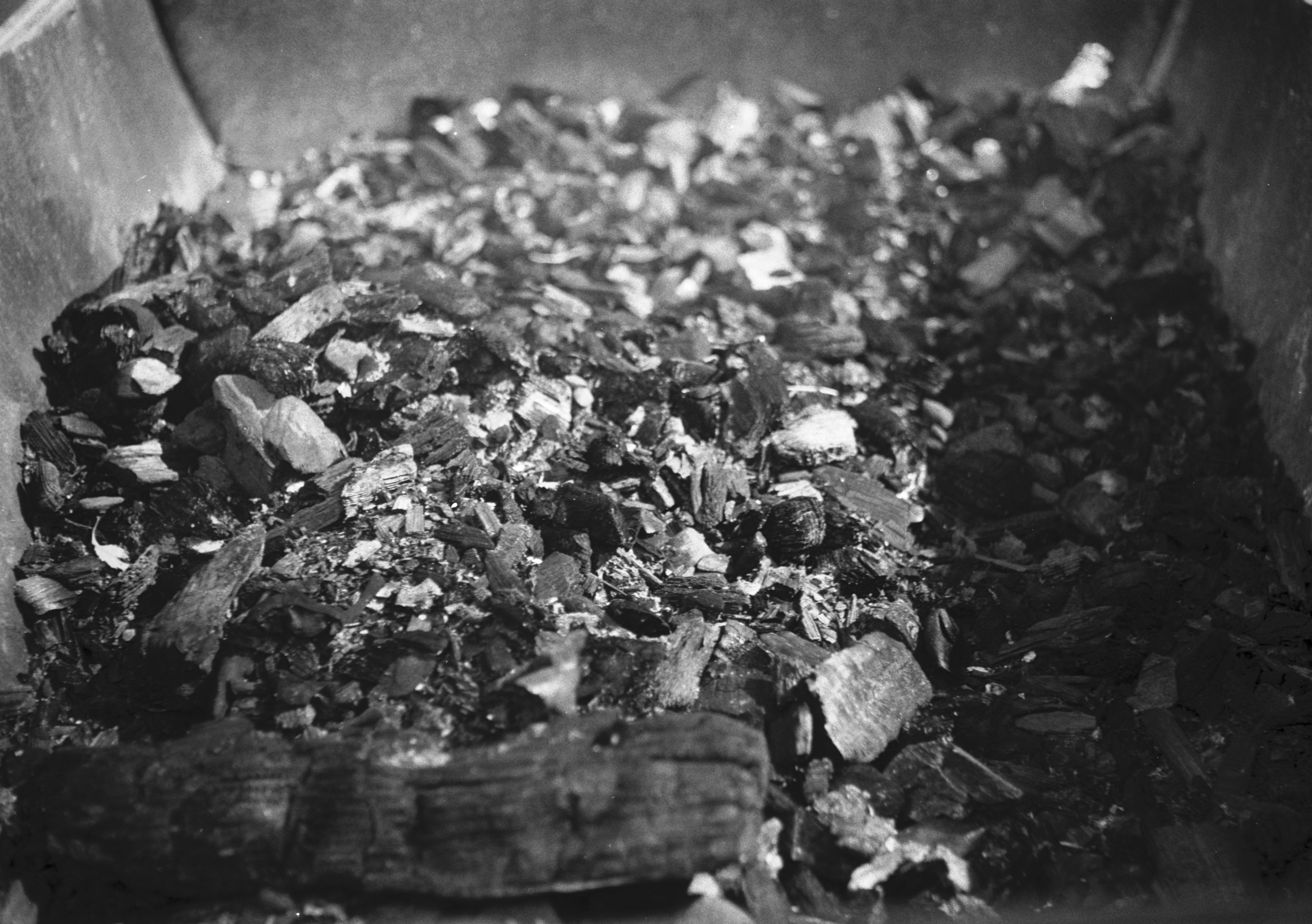
Landscapes Fomapan 100

As mentioned in previous posts, I made 2020 my year of getting familiar with the amazing and affordable Fomapan 100.

Back in July, I was traveling around in Northern Norway with the mission of taking photographs and testing out some old equipment. In this edition, an Olympus OM-1 and a roll of Fomapan 100. Along I also brought a set of colored and graded filters that I found cheaply online at Kent Faith Project. I have been curious to try out some square filters in my photography and also to try out color filters with gradient effects.

Reklamer

My Olympus has a Zukio 50mm lens, which is extremely sharp and well focused. But the filter-ring was slightly dented, so the space-ring for 49mm did not quite fit. I had to use some heat and some pliers to round it back out again, and I managed to fix this without damaging anything.

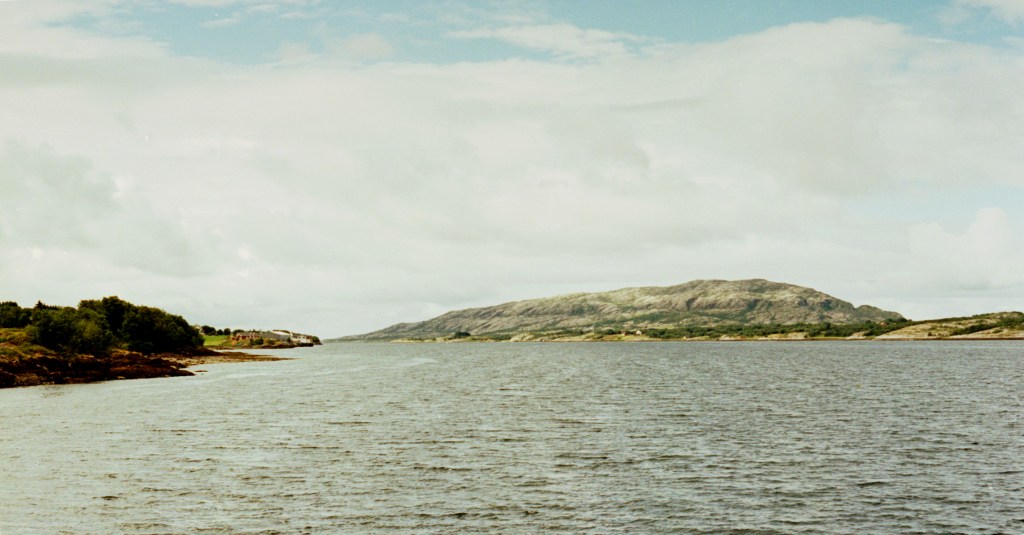
Photo taken without any filters on the lens. For reference use only.

The second day of my trip, I had to catch a ferry in Bindal. I thought I would have good time, but miscalculated and suddenly had a two hour wait in the middle of nowhere without anything to do. I decided to do some test-shooting with the Olympus, a Fomapan 100 and an orange and an orange gradient filter.

I shot sunny 16, and with the available light, I chose f8 and 1/125 for my shots. The image above shows the results without a filter. Shows a wide variety of grays and the lovely fine grain of the Fomapan 100.

Shot with the gradient filter from orange to UV

In the shot above, I used the gradient filter organge/clear. I did bracket the shots here, since I was not 100% sure how the gradient would turn out, but I actually fell for this, slightly under-exposed image, because of the lively grays in the distant mountains. I love the way the gradient filter made the skies pop without underexposing and losing detail in the other parts of the image.

Taken with the orange filter. Compensation used was two stops.

For the orange filter shots, I also bracketed. I chose to use this image, where I compensated two stops with the shutter and shot at 1/30 with f8. To the right you can see the savior arrive. The ferry I had been waiting for, and hence this was one of the last shots before I returned to the car and continued my journey.

Reklamer

All in all, I am falling in love with the Fomapan 100. When developed in Xtol 1+0 it produces a smooth, but characteristic grain that gives the images a natural and somewhat «raw» look that I truly adore.

Also the Square filters from Kent Faith are great stuff to play with, and I will upload another entry at a later time focusing on these.

Thank you for reading!

Zeiss Nettar and color film?

One of my absolute favorite cameras is my Zeiss Ikon Nettar. A little German bellow-camera from very long ago. I am not sure about the real age of this camera, but I know that it is from the late 40’s early 50’s. Being a bellow-camera, the shutter is mounted in the lens, and you have no range-finder or any focus help other than your eyes or some clip-on range finder system if you want to use that. Personally, I don’t use this camera for any work that would require the most precise focus, and I usually go without measuring or using «safe» aperture settings.

My Zeiss Ikon Nettar, and a box of KODAK Ektar

Because of its age, the Novar Astigmat lens was probably never meant to deal with colour films, and especially not high saturation films like the Ektar. I was therefore curious to try it out and see how an old lens and an old camera would perform with a film like this.

To help the camera a bit, I used an UV-filter. The Nettar does not have a filter ring that can support any of my filters, so I used a cheap 52mm UV-filter and held it in place with my fingers while shooting.

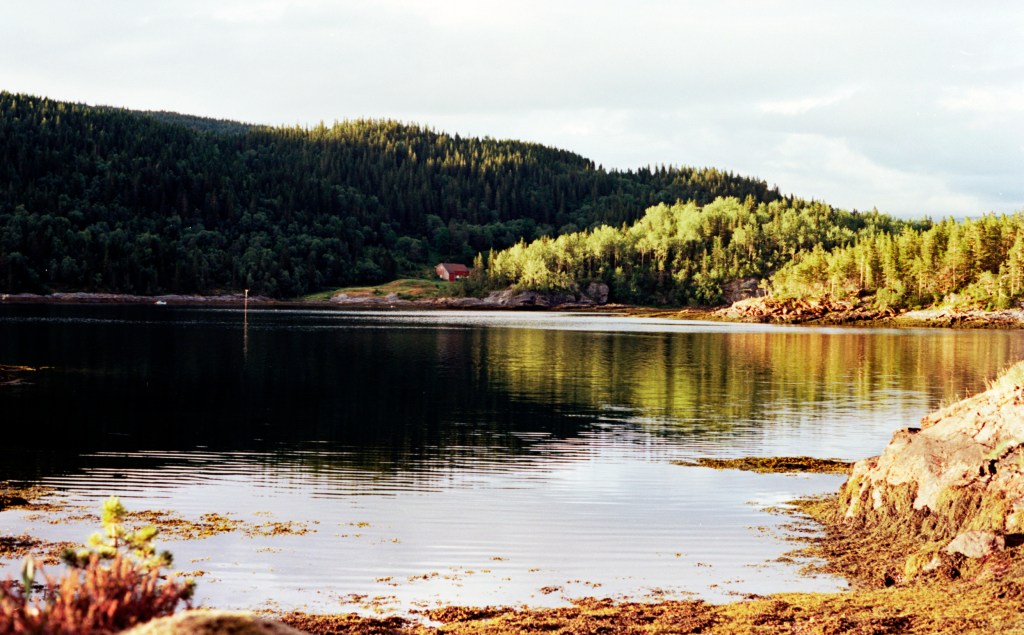
The images are taken while waiting for a ferry at Forvik in Vevelstad, Northern Norway in the region Helgeland. It surprises me how well the Nettar deals with colour films, and I find the images to be really high quality.

Images are developed at home with the Tetenal C41-home system using a Paterson tank and a cheap eBay reel. Since I do not own a medium format scanner, I used my Epson Perfection V370 and scanned them in sections and glued them together in Photoshop.

I have not done any colour corrections here, what you dee is what I got, but I have removed some dust and scratches.

Thanks for reading.

Playing with KODAK Ektar

This has been a special year for all of us. Covid 19 has turned everything upside down, and we are more home bound than we usually are. Because of this, I decided to go on holiday in Norway this year, and appreciate the Norwegian nature with some old, cheap equipment and some rolls of KODAK Ektar.

First up, was my Olympus OM-1 and the amazing Zukio 50mm lens. Not a very cheap camera you might say, but I managed to get my OM-1 shipped shipped to Norway for just around 70 euros. That is a real bargain considering the quality and value in use.

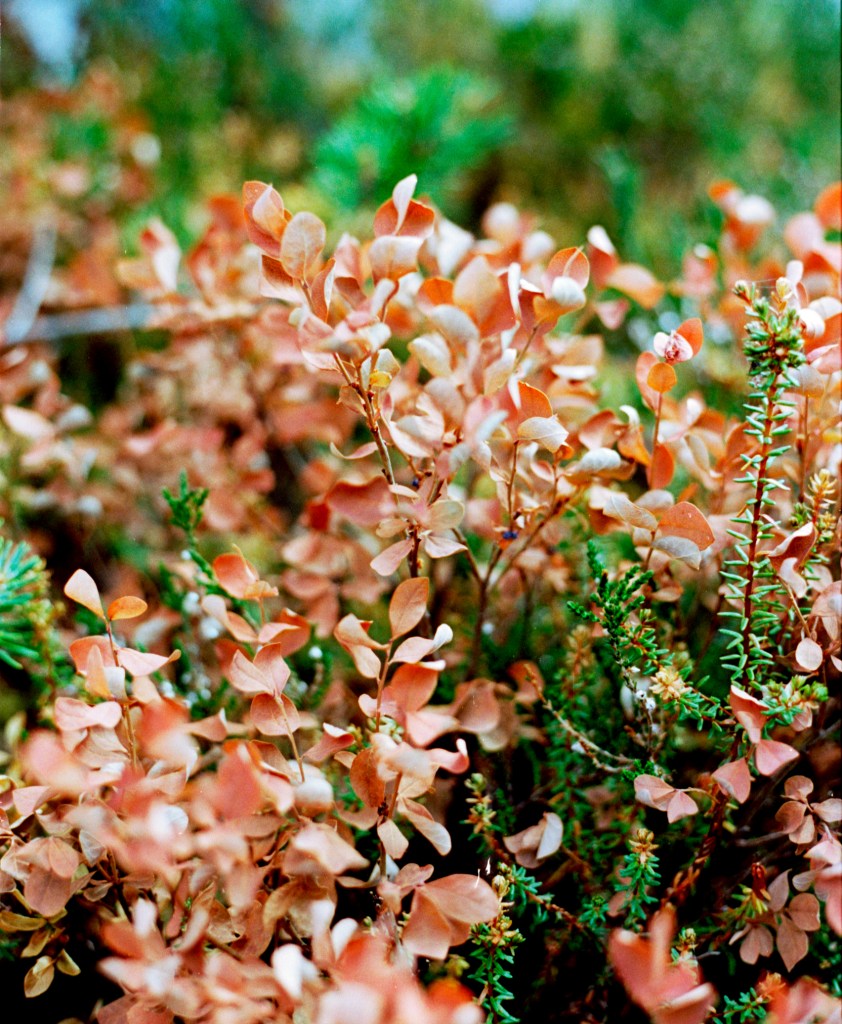
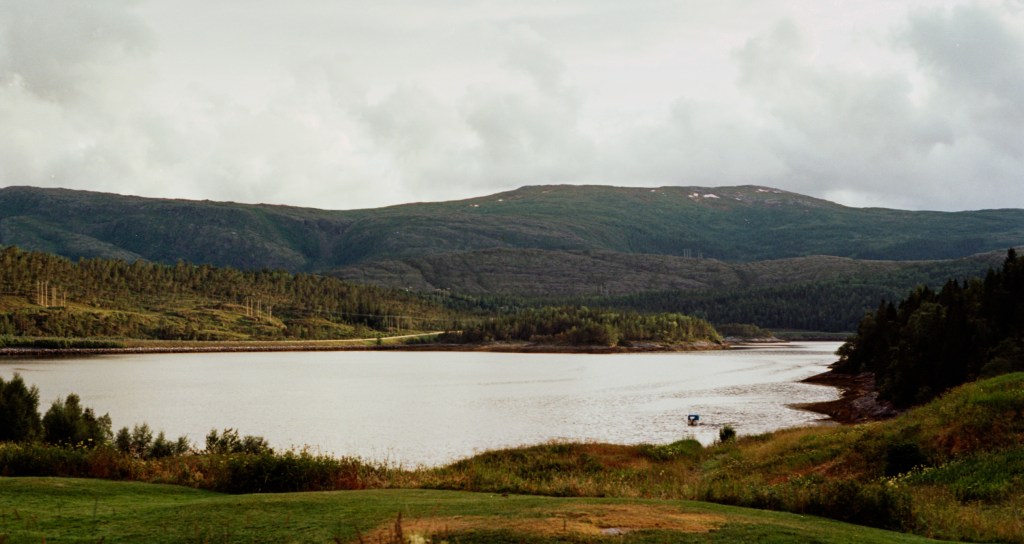
These shots are from the area around Brønnøysund in Northern Norway. Closer description as image text.

All images are developed with the Tetenal C41 home development Kit, and scanned with my PlusTek Opticfilm 8100.

Sunny day at Dokka

Today, I had a portrait assignment in Dokka, a little town nearby, and I brought the Voigtländer with an Ilford Delta 100 loaded in it.

I had the Voigtländer well placed in its leather casing.

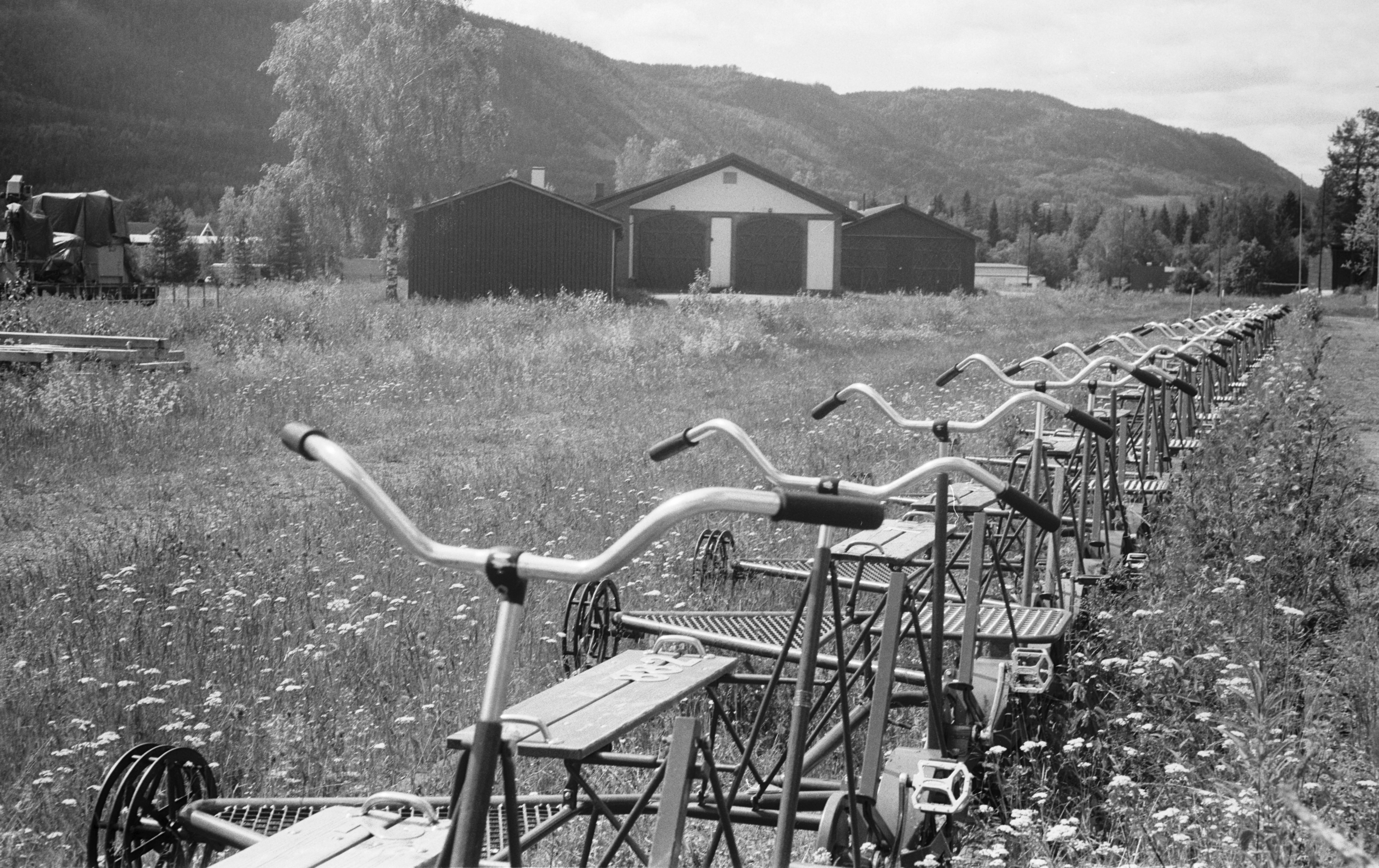
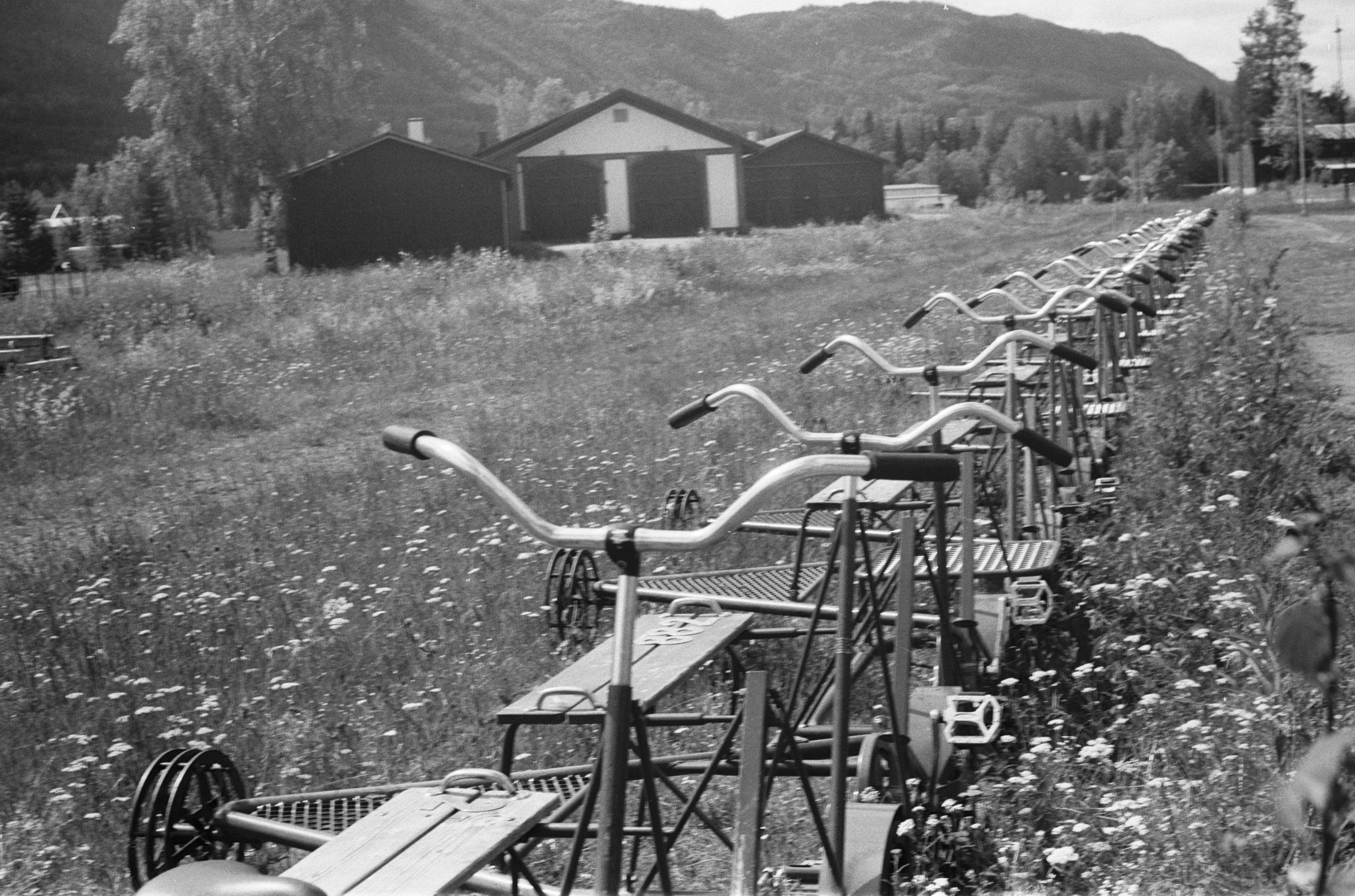
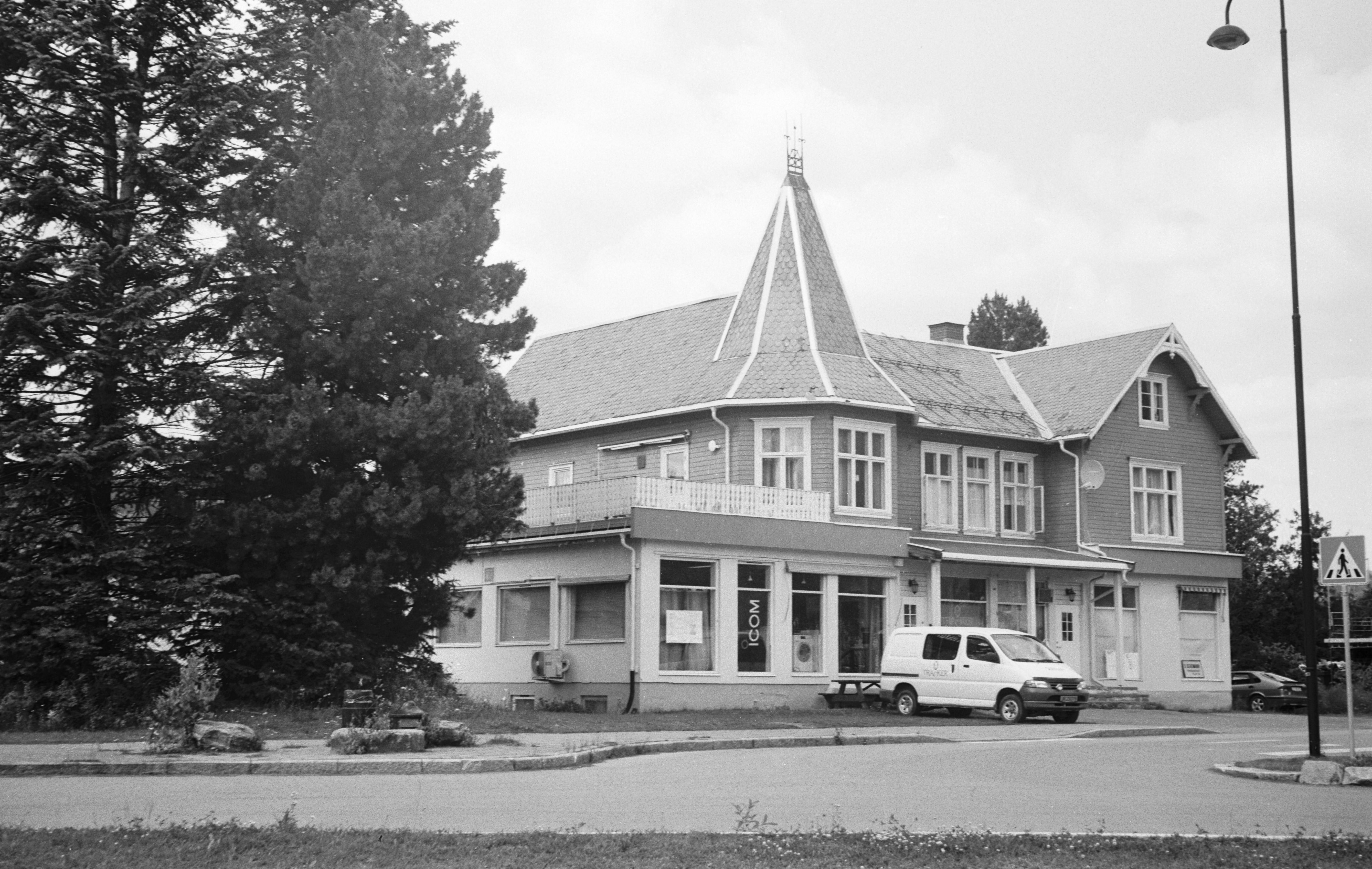
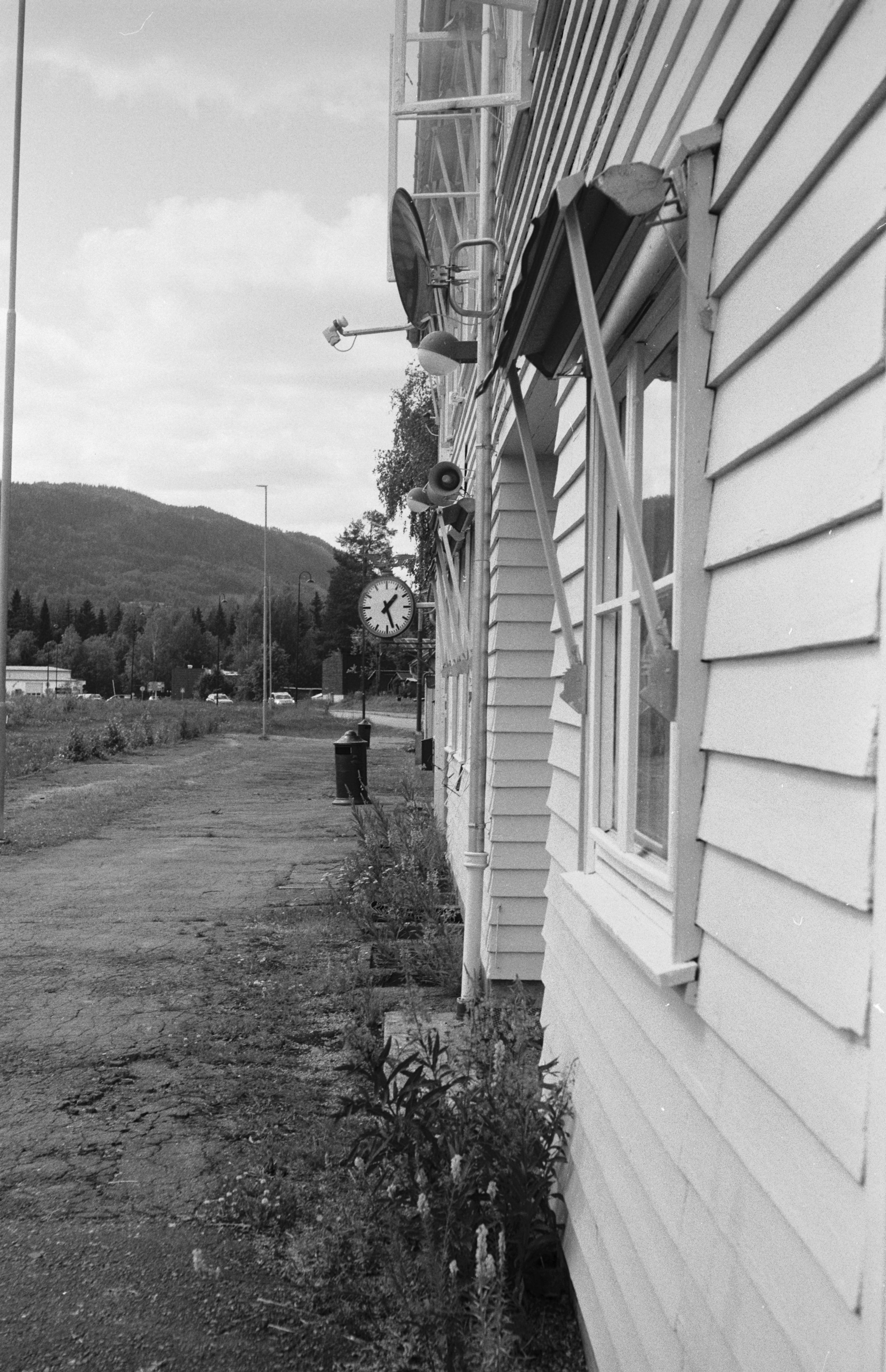
The location for my assignment was at a defunct railway station now used for rail bikes. I arrived a bit early to enjoy the sunshine and, hopefully, make some great images. I was not the only living creature enjoying the sunshine this lovely day. I also met some very social and eager horseflies and mosquitoes. A part of the Norwegian summer.

A little tip for shooting in Norway where light isn’t that bright; think «Sunny 11» not «sunny 16». The lighting conditions in Norway are not as bright as further south in Europe.

Maybe not in mint condition, but for sure a great model. And after all, the BMW still is on its wheels.

Since the Voigtländer is not a rangefinder or markfinder, the focus is based on guessing distance. Not too difficult for street photography and the lens is really interesting. Looking through the pictures after scanning, I can see that I should have used the sun shader following the lens.

I developed in Xtol 1:1 for 8 minutes 20 sec in 21 degrees chemistry. Then rinse and stop in water, and seven minutes fixer.

New for this development cycle was that I used a new termometer, as my last one died an Xtol death from falling into the tank of stock. RIP.

A Summer day adventure with a Voigtländer Vito B

A few days ago I got hold of an old Voigtländer Vito B in «unknown condition». I know from before that Voigtländers are relatively sound cameras, and took it for a test drive with a Kentmere 100 onboard.

The Voigländer used in this test.

The small viewfinder tells me that this is a camera from the earlier production years, between 1954 and 1957. The fucis is done buy measuring the distance manually and setting it manually to the camera. No rangefinder or markfinder.

It’s always fun to play around with an old camera like this, and I must say that despite it’s reputation for being «immensly grainy» I am very happy with the results the Kentmere 100 provides. My guess is that photographers complaining about the grain are either after a smooth as gold PAN-F like smoothness, or just overexposes the film and gets grain in the scanning process.

As previously with the Kentmere, I chose to develop in Xtol 1:2 and used 10 minutes in 24 degrees chemistry. The negatives came out fairly evenly exposed and I am happy with the results.