
When I drove home from work today, I noticed that the contrast between the December darkness and the artificial light from lamp-posts, lit buildings and petrol stations actually would make very nice images indeed. I thought about going for long exposures with either Tri-X or HP5 plus, and I composed some nice images in my head. My chosen subject, Skibladnerhuset.
Skibladner is an old paddle steamer the people who lives around the lake Mjøsa are very proud of. It is currently the oldest paddle steamer in scheduled traffic, and it will sail on the lake in the summer months. When the winter comes, it will be parked on display in its own, specifically designed house. A special building with I find to look incredible with its triangles and diagonal pillars and poles. The house was drawn by the architects at Kontur in Gjøvik and was built in 2001. It has become a landmark for Gjøvik and is visible from RV4 as you drive through the town.
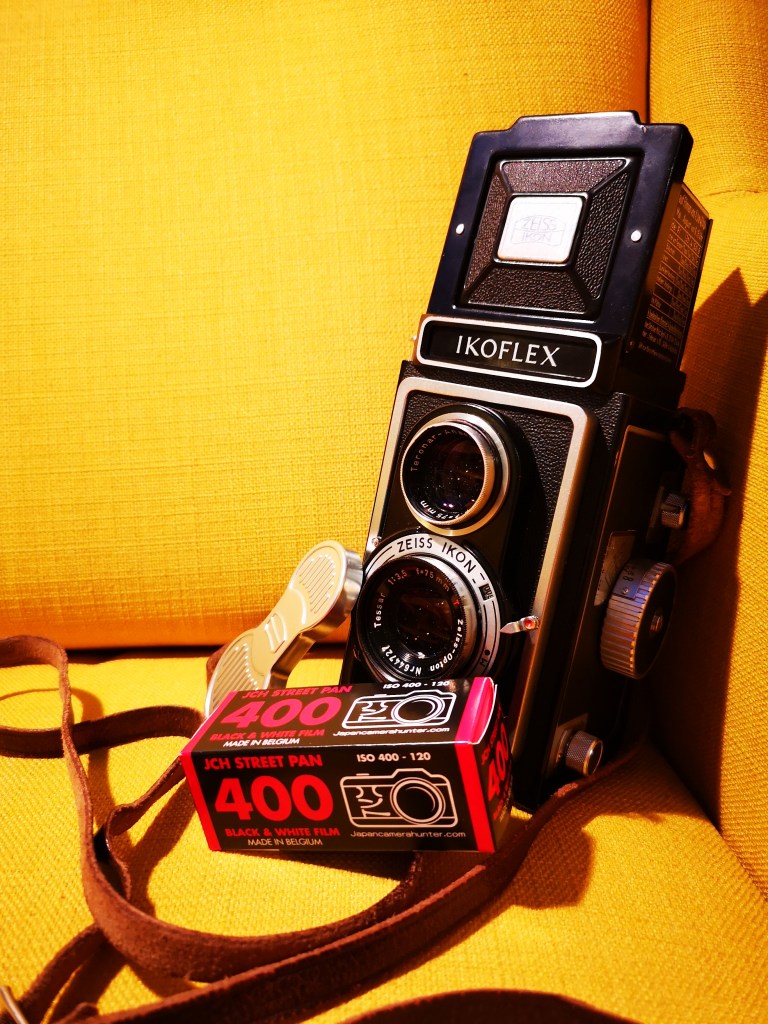
I chose to roll up the Zenza Bronica ETR with a roll of JCH Streetpan 400, and test out how an extremely contrasty film would deal with the lighting conditions in a Norwegian December afternoon. In retrospect, this might have been the wrong film for this outing, I should have gone for Tri-X og HP5 plus.
First of all, I could not find any information about the reciprocity features and long exposure compensation anywhere. Therefore, I went for combining the information from the Ilford HP5 plus and Kodak Tri-X. This means compensation from 1 second and more. My logic became – If the meter gives me 1 second, I’ll shoot 2 seconds, if it gives me 2s, I’ll go for 4. It could seem; however, that this was not anywhere near enough compensation.
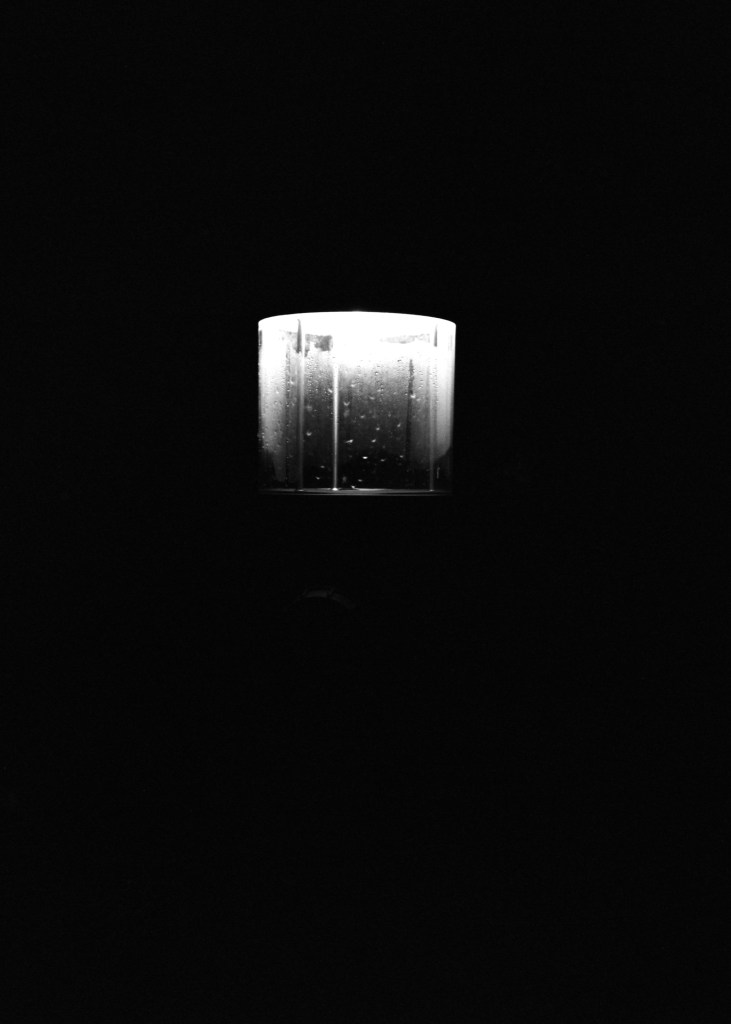
My negatives got very thin, so thin, that I wouldn’t imagine printing them in the darkroom. Three negatives came out reasonably OK, and showed the contrast level I was aiming for, however, the other 12, not so much.
I developed the film in Xtol stock, both because I have a batch of Xtol that is about to go out and I want to use it, and because I just did not «love» the prospect of doing development for 17 minutes with 30s agitation frequency. Call me lazy, but this is who I am.
I also considered using Rodinal 1+100 and do Semi-Stand development, but I wanted a more specific development cycle that I knew would give me the correct film-speed. And with Rodinal at that dilution and development times of an hour plus, I don’t really get that level of control.


This was just an experiment and a shot in the dark (pun intended), but I learnt quite a bit about the Streetpan 400, and when not to use it. I might do a reshoot of this outing with a roll of Tri-X at some point, to pay the amazing architecture the respect it deserves.
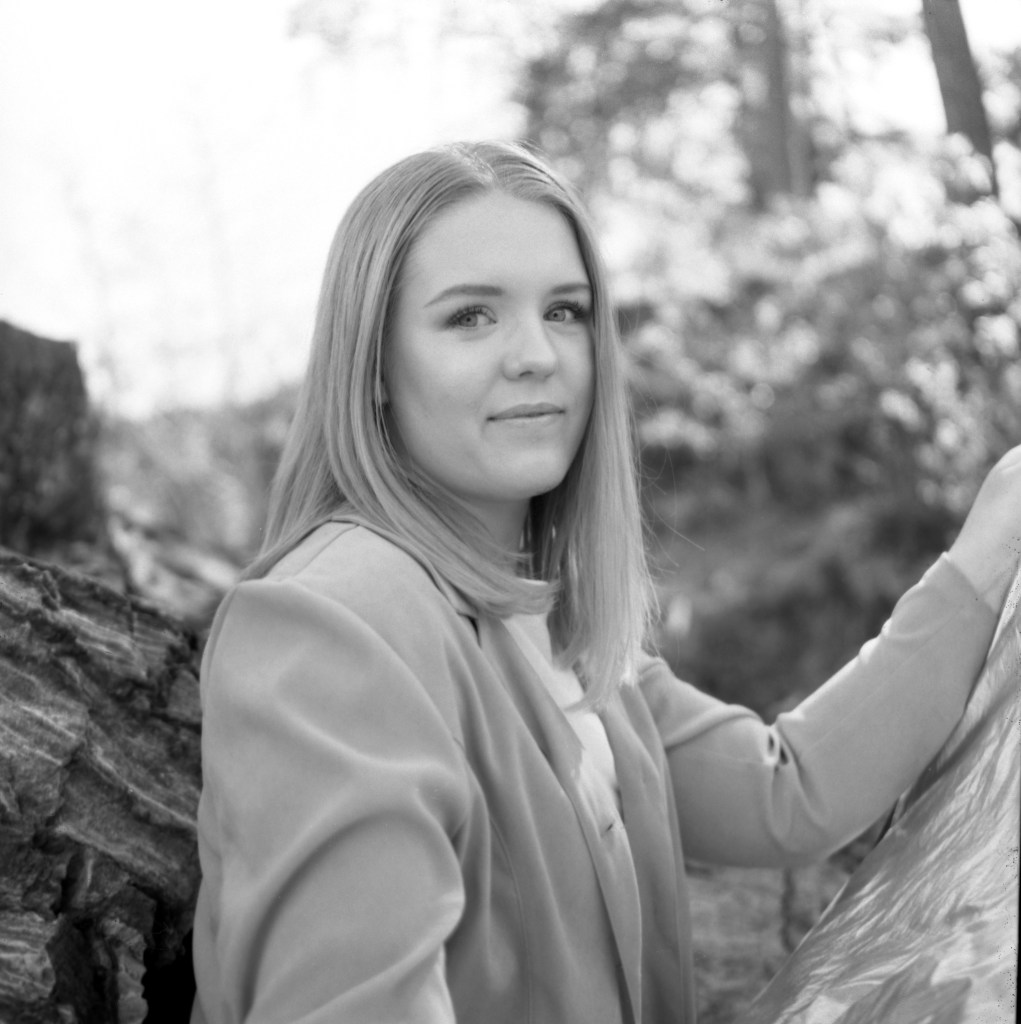
Please enjoy the images.


 Cheap Camera Adventures