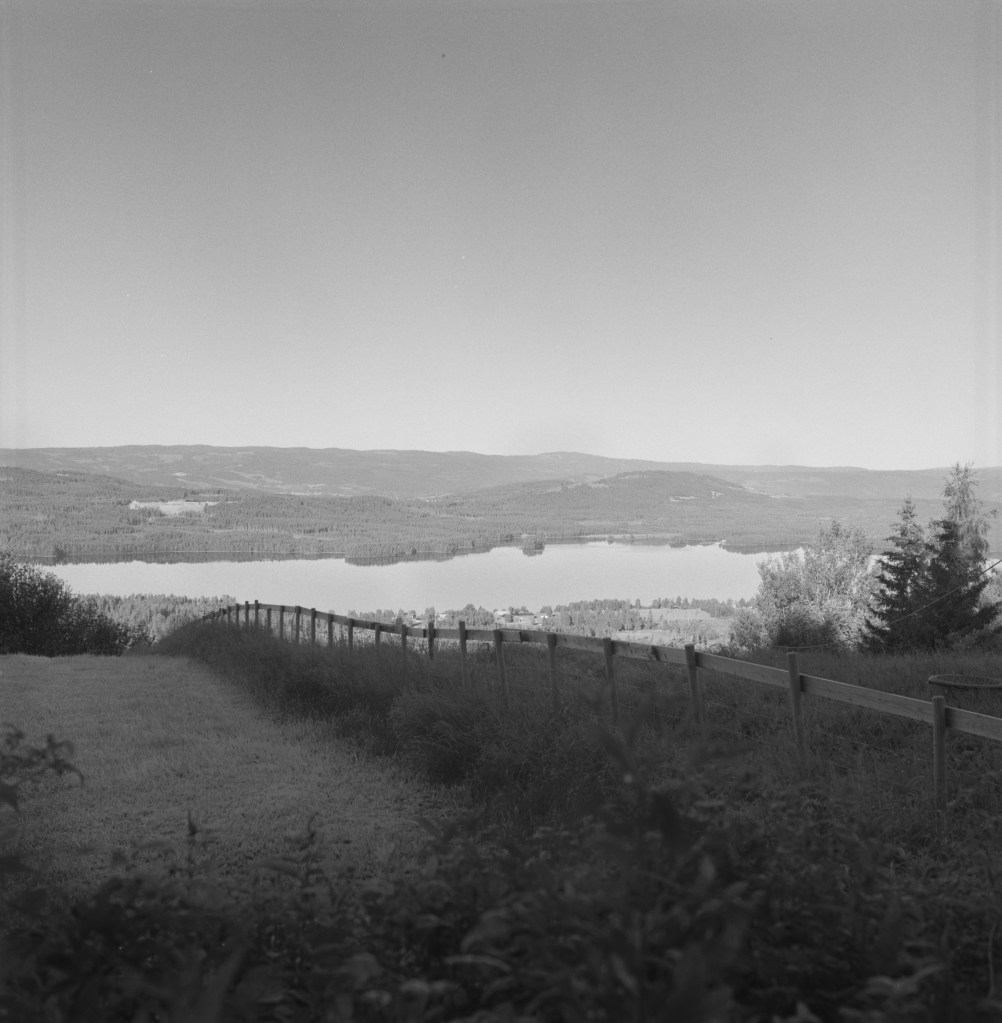
One of the most photogenic lakes around my area is bu far the lovely little lake named Næra. Situated a bit east of Moelv, it is the main bathing-water for places like Næroset, Åsmarka, Lismarka and Moelv and it is also an important area for leisure boating. A few weeks ago, as I was pondering around Åsmarka looking for an infrared-view of Næra, I came in contact with some locals. They told me about what was allegedly a much better viewing point over the lake, and I decided to take their word and go there in an early morning quest.
Armed with the Hasselblad and two rolls of film, Ektar and HP5 plus, my friend Cameron and I went for a morning stroll to the viewing point, and indeed, what a view.
The lake Næra – Hasselblad 500C – Ilford HP5 plus @ 200 Yellow filter – Ilford ID-11
Realizing that I had misread the lighting conditions on this scene, I soon decided that the HP5 would most likely be the best film for the job. My total range within the scene pushed 9 stops, and I was afraid to blow out the skies or the water with the Ektar as I didn’t bring a polariser filter because I broke it a few days prior. I then settled for a yellow filter instead, and chose the approach of pull-processing to give me a flatter negative.
Along the path – Hasselblad 500C – Ilford HP5 plus @ 200 Yellow filter – Ilford ID-11
Our path went through some really lovely forest areas, and at one point, we had a row of telegraph-poles making their way towards the farm I believe is named Harabakken. I like the way that the poles made their way towards the farm and decided to attempt a composition with the HP5+. I would probably have gotten more out of this shot using an orange filter, but I decided to travel light, and only brought the yellow.
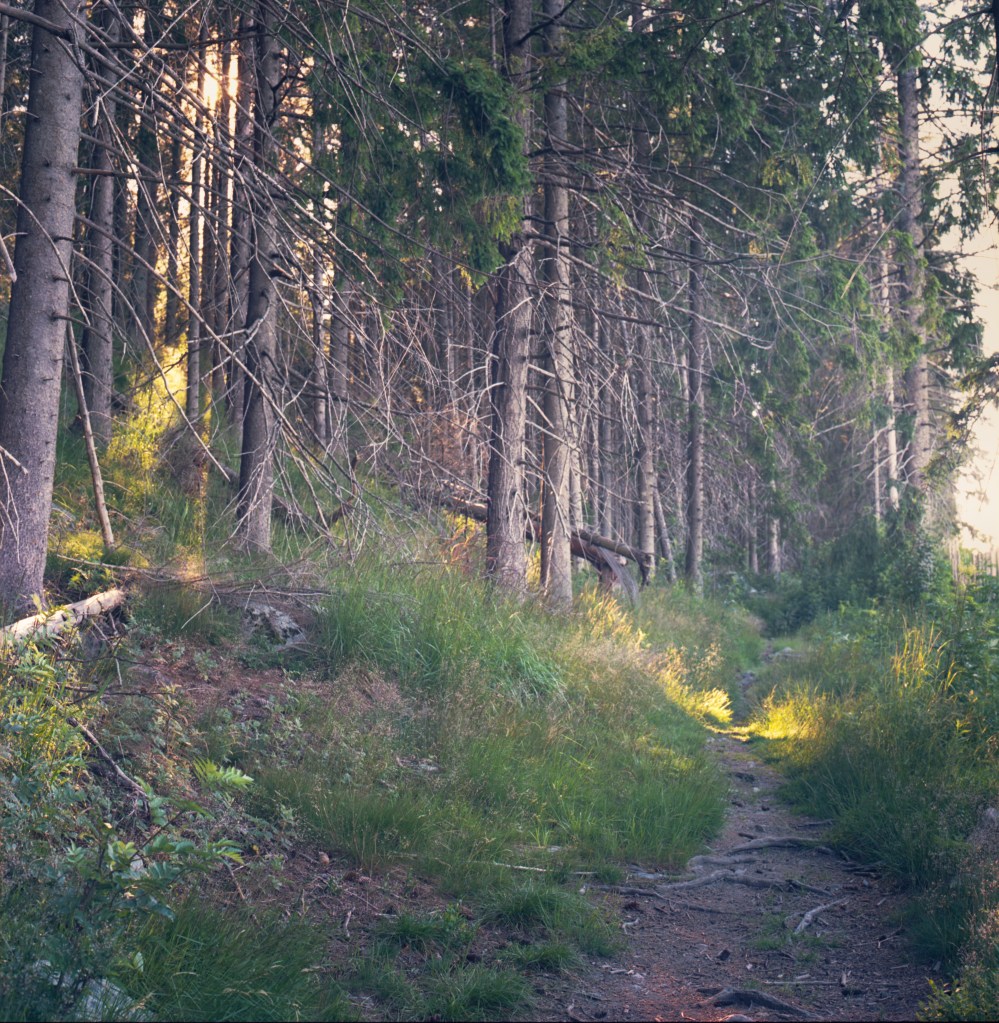
As we stopped to have out coffee, I spotted a really lovely trail of light coming through the forest, illuminating the path and some grass around. I decided to make an attempt with the Ektar-back, attempting to make a square- image.
Light on the path – Hasselblad 500C – Kodak Ektar – Tetenal C41
Our day concluded with a nice stop by another little pond that I am not going to name because it is more secluded and has a very fragile road going to it. We enjoyed another sip of coffee and had an absolutely lovely time out in nature this warm summers day.
I’ll include some more images in a gallery at the end, please enjoy
A few weeks ago, I went out to create a second episode of my new series «Frames of Norway», a series where I explore the landscapes of Norway with my analog cameras. I also dive somewhat into the history of the location and other interesting aspects of landscape and the characteristics of the area.
For this second part, I visited Amlisberget close to Moelv to enjoy the beautiful views over lake Mjøsa from high up. At the time, I was very excited about being out for that trip. It was my first real walk in nature for a while, and I got too trigger-happy and blew through a roll of FP4plus far too quickly. I think parts of my problem this day, was that I had the Canon T70 and shot aperture-priority, This made me not think well enough about my compositions to make proper photographs. I went into what I call the «digital trap» and just rattles off the shots and ended up with something that I am not happy with. At the time, when I looked at the images after development, I was very excited and felt they were nice, but after a while, I am not happy at all. So unhappy actually, that I decided to redo the trip.
For this round, I chose to go with medium format, I rolled up the Hasselblad with a roll of Kodak Ektar 100. I figured that most of my compositions in the last attempt were actually dependent on colour, and the weather was rather nice, and Ektar looks good when there is some light around. Also, the fact that I only have 12 shots and have to set them up manually using a light-meter, helps med focus and things closer about what I am doing.
Parts of the path – Hasselblad 500C w 80mm Planar – F11 1sec – Kodak Ektar 100
One of the greatest things about doing landscape-photography in Norway, is the culture of «friend associations». People sign up as «friends of the area» and spend their time and knowledge preparing and tidying good paths for everyone to use. These people work as volunteers and they are not even always reimbursed for their expenses. This path that I am following this time is marked and maintained by members of two different associations. The local sports-team and Moelvmarkas Venner. I don’t think we can measure the value of their work in money. Access to nature has been very important for the Norwegians during the difficult Pandemic-times.
Parts of the path – Hasselblad 500C w 80mm Planar – F5.6 1/8sec – Kodak Ektar 100
Much of the path towards Amlisberget goes through woodland, parts of it through copse-areas and some through your typical forest area. Most of the trees are spruces, as it is the most commonly grown tree in this area of Norway. One thing I learned very quickly at this path was to watch my steps. Not even a kilometer into my trip, I saw the first adder. Not that this snake possesses any threat to me at all, it is lightly venomous and not in any way aggressive. Most bites happen on hands and fingers when people try to pick them up or on feet when people step on them.But at the same time, I don’t want to upset my «host» when I am visiting their home. In all, I saw two adders (Vipera Berus) on this trip, and I heard the sound of five others creeping away in the grass as I was following the path. Sorry that I am not giving you any images of them here, I did not have the lens to photograph these images this time.
I walked out around noon this day because I wanted to have the mid-day lights and to use the blue sky and white clouds to my advantage. This gave me relatively short exposure times for most of my images that were not taken in the forest.
Lonely spruces in the view – Hasselblad 500C w 80mm Planar – F16 1/125sec – Kodak Ektar 100
As you can see in these coming images, this is one of the most important forestry-areas in Norway, and it is located on the outskirts of the huge Taiga – the boreal forest area that goes across the whole Northern part of the globe. It is said to start for real a few kilometers further east, but you can still see the same kind of landscape as you would see throughout the Taiga, from Løten to Vladivostok.
Much of the industry in this area is also based on forestry and wood-work, and in Norway the name «Moelven» is widely known to mean quality lumber. The lumber-industry in this area is still one of the strongest in Norway.
The View – Hasselblad 500C w 80mm Planar – F16 1/125sec – Kodak Ektar 100
The trip up to Amlisberget is recommended for everyone by me, the last 900 meters are quite steep and you should make sure to have enough water for this part when you are walking. There is also no guess-work where you need to go, as the path is well marked and easy to follow. If you walk in the morning or around noon, you will most likely have the place to yourself. The only person I met on my way up, was a local fireman who was out, putting up warning signs for forest fires. On my way back; however, I met more people. The trip is worth it, the view is magnificent.
The View – Hasselblad 500C w 80mm Planar – F16 1/125sec – Kodak Ektar 100 (The colours are a bit off in this one for some reason)
Late autumn in Norway is always beautiful. Thin layers of snow and frost on the ground makes it nearly look like someone has decorated the landscape with some icing sugar. However, today I was not really thinking I would get any of this magic in my shots. When I woke up this morning, it was a foggy and grey morning, and I decided to go for some contrasty shots with fog and artificial lighting from street-lights and and shop windows. I brought with me a selection of films, but planning on using Japan Camera Hunter, Street-pan 400, to get the deep blacks and some find Rodinal grain.
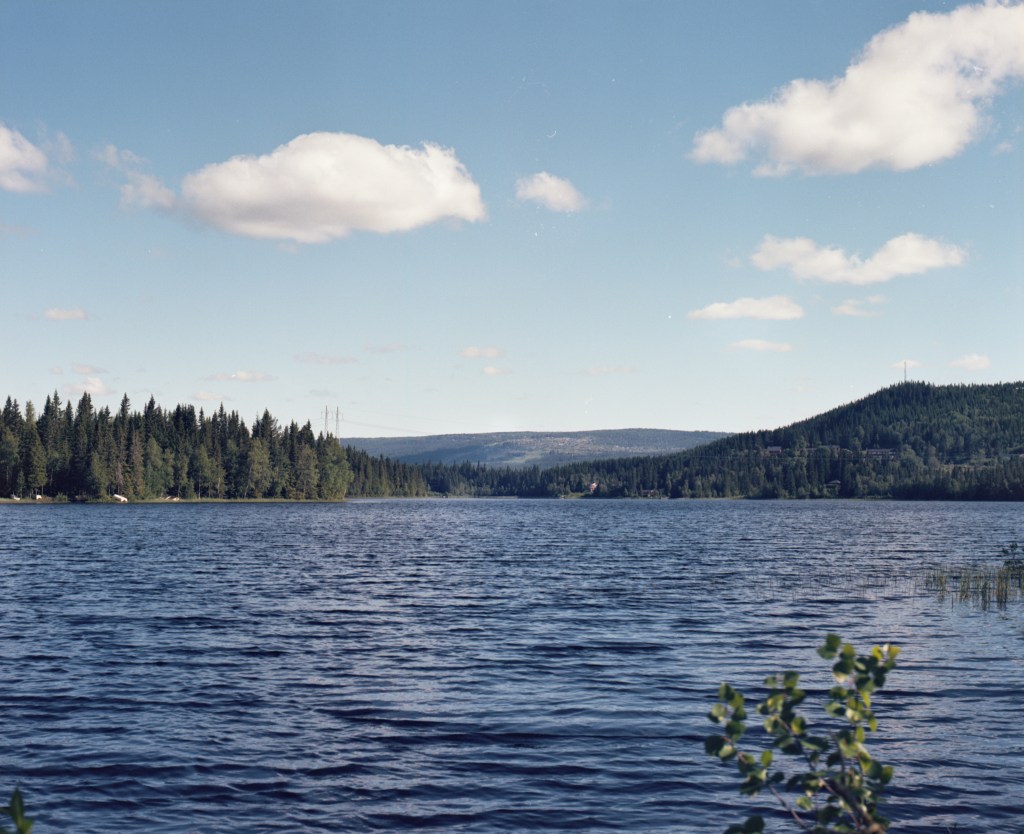
When I got to my chosen location, I had to rethink my whole idea and plan. just next to where I parked my car, and five minutes away from a cup of coffee, appeared this wonderful little lake, and the weather cleared beautifully.
Instead of using JCH Streetpan 400, I went for a roll of Kodak Ektar100. Ideally I would have shot this location with Provia, but since I am nearly never using slide-films anymore, I did not bring any. I rolled the Ektar into the Bronica and quickly came back with some compositions.
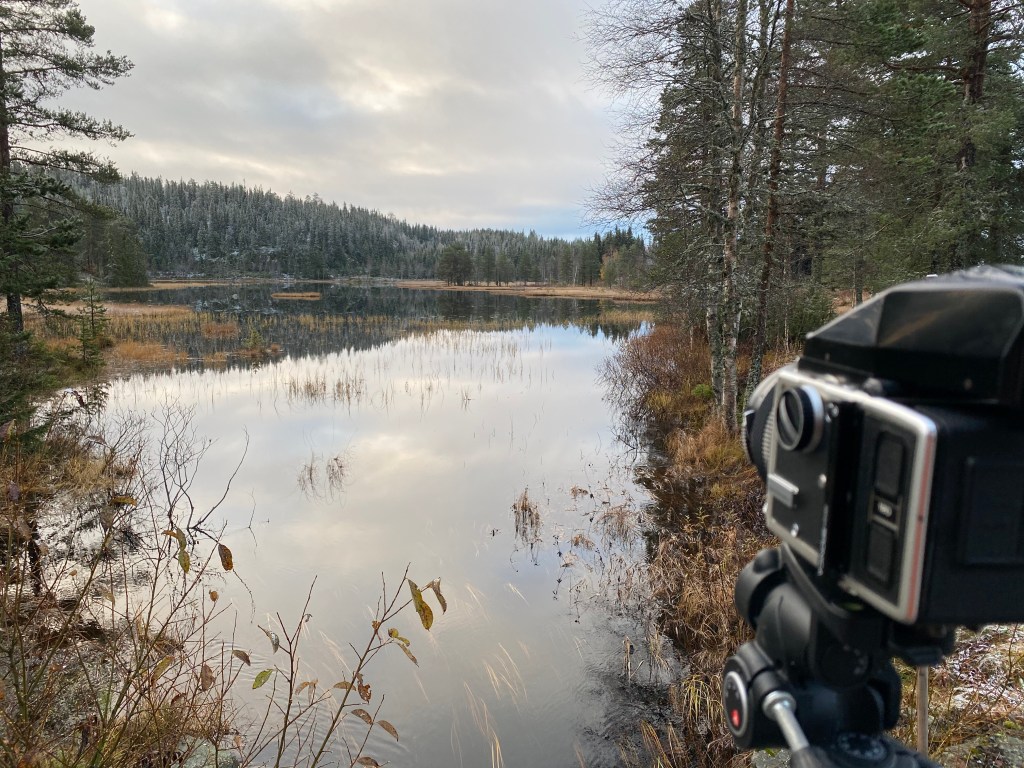
The beautiful view I found. Shooting a location like this with a fresh cup of coffee in my hand has to be considered luxury. (Phone-photo)
Reklamer
I have never shot colour film with this camera before, since it is a fairly new addition to my collection. So a new experience for me there. Kodak Ektar 100 with its vibrant range has been my go-to film for colour landscape photography the last years. It gives me nearly the tones of a Slide-film, and the convenience of a negative film when working.
What I would have wanted for this shoot; however, would be a short telephoto lens or maybe just a 75mm. Currently I only own one lens for my Bronica ETR, a 50mm (35mm equivalent in 35mm). This lens becomes too wide for many of my shots, and does not give me the bokeh I want for closer shots.
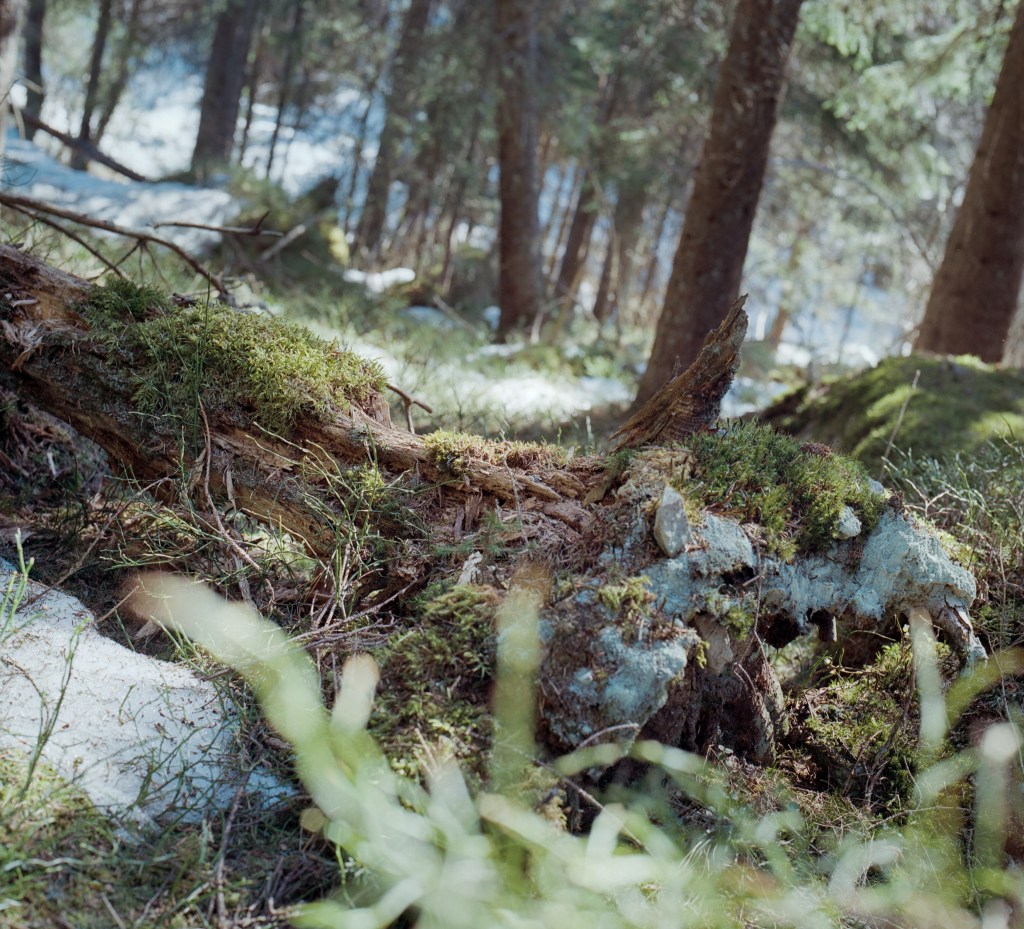
Bronica ETR w 50mm Zenzanon f4 1/4sec. Kodak Ektar 100, developed in Tetenal C41. Slightly edited in photoshop
For the shot above I would have wanted a longer lens. I lived the way the snow made the colors soft around the tree stump, however, I got too much clarity in the background for my liking.
Reklamer
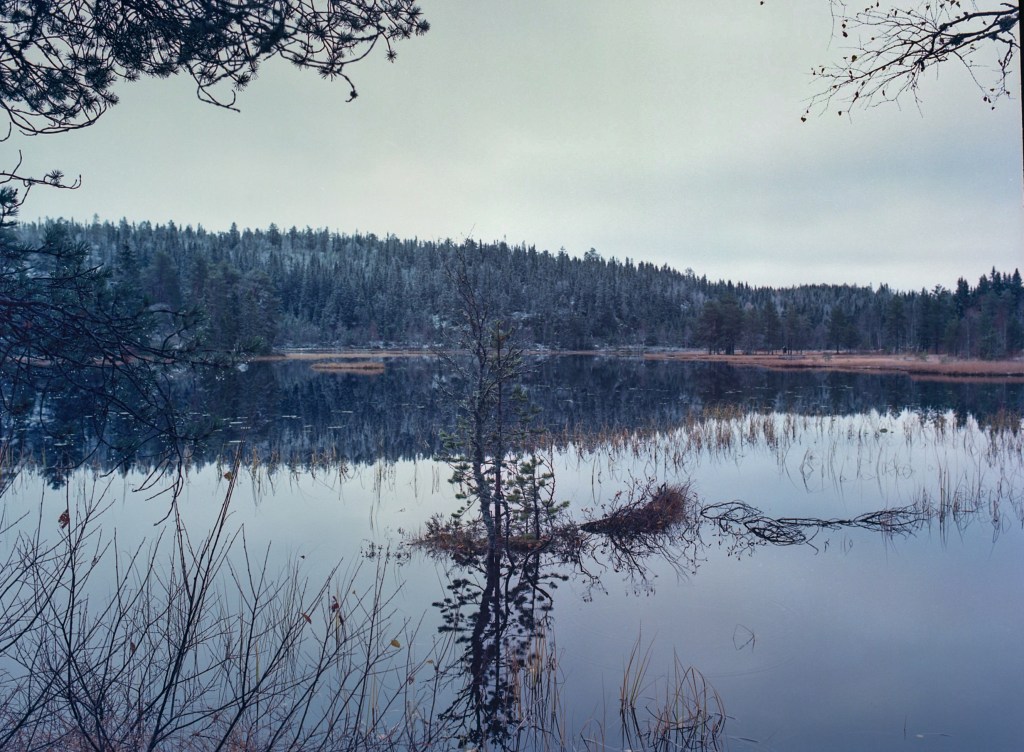
For the shots over the view of the lake. The 50mm was perfect. And for the last shot on the roll, I saw some beautiful grass that moved in the running water. I took a shot of those as well.
Bronica ETR w 50mm Zenzanon. Kodak Ektar 100, Tetenal C41
The late autumn in Norway is beautiful and can give you anything. Today it gave me these lovely shots (among others) next to a place where I could get a coffee. Tomorrow it might give me the foggy conditions I expected today.
One of my absolute favorite cameras is my Zeiss Ikon Nettar. A little German bellow-camera from very long ago. I am not sure about the real age of this camera, but I know that it is from the late 40’s early 50’s. Being a bellow-camera, the shutter is mounted in the lens, and you have no range-finder or any focus help other than your eyes or some clip-on range finder system if you want to use that. Personally, I don’t use this camera for any work that would require the most precise focus, and I usually go without measuring or using «safe» aperture settings.
My Zeiss Ikon Nettar, and a box of KODAK Ektar
Because of its age, the Novar Astigmat lens was probably never meant to deal with colour films, and especially not high saturation films like the Ektar. I was therefore curious to try it out and see how an old lens and an old camera would perform with a film like this.
To help the camera a bit, I used an UV-filter. The Nettar does not have a filter ring that can support any of my filters, so I used a cheap 52mm UV-filter and held it in place with my fingers while shooting.
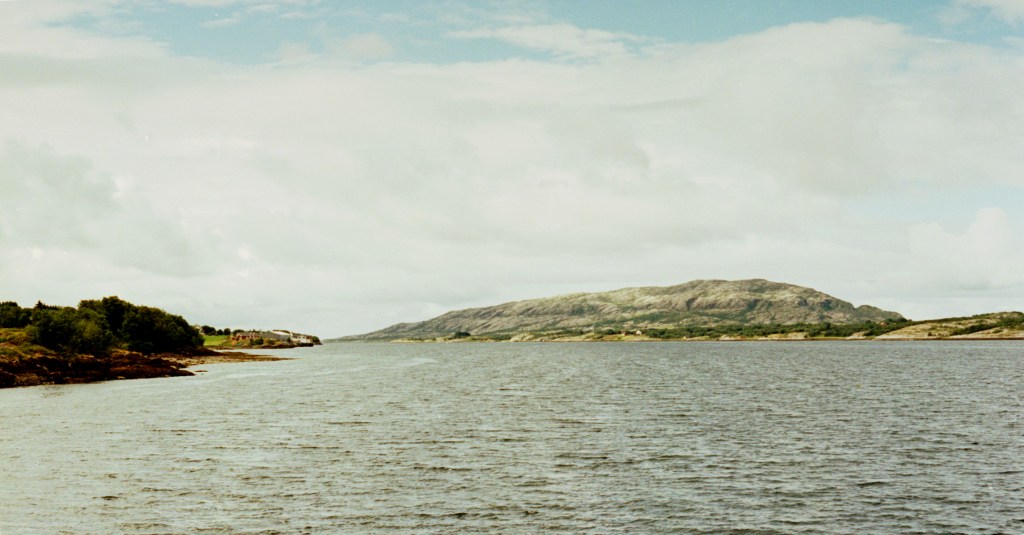
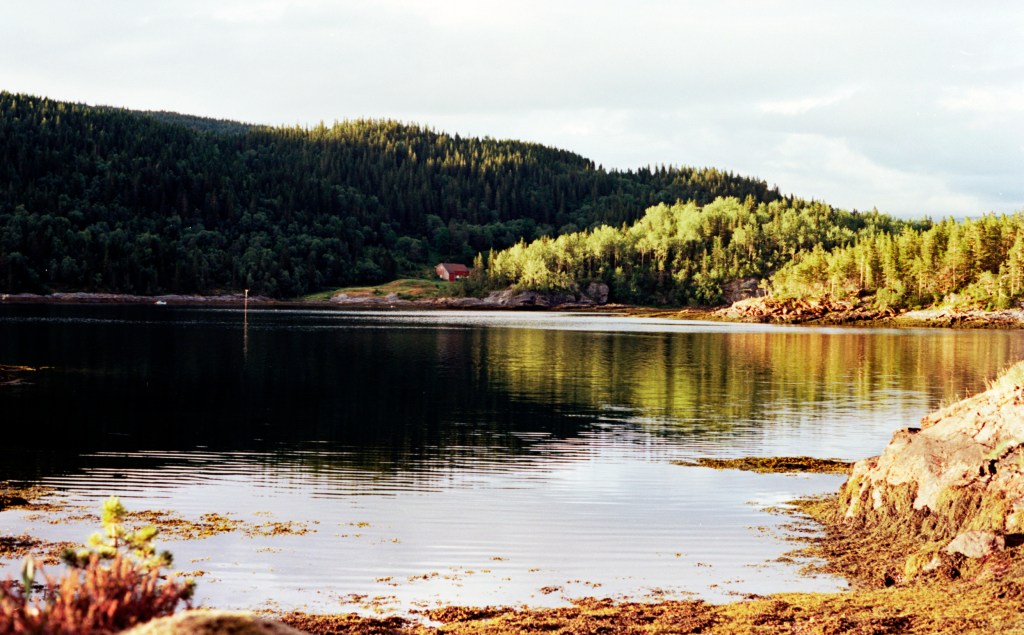
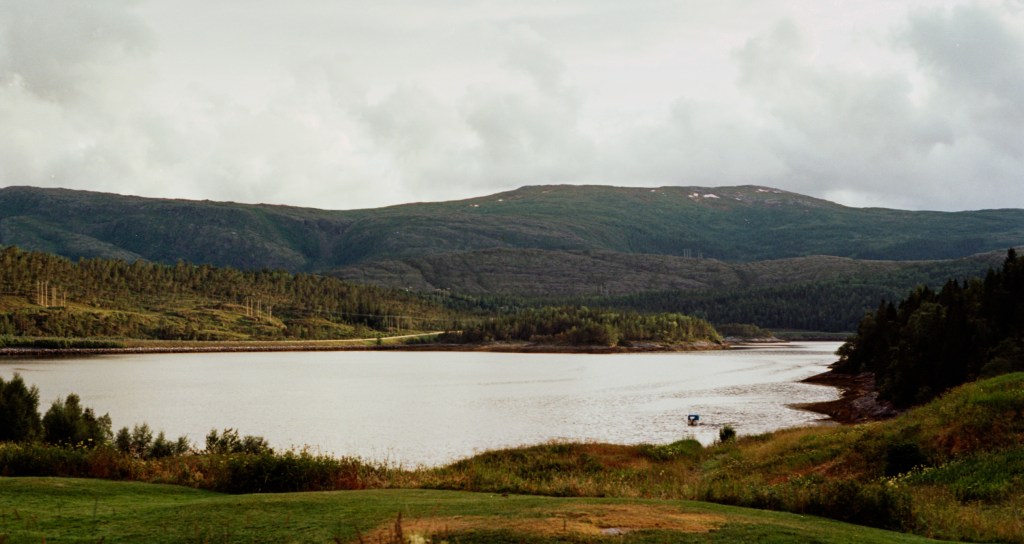
The images are taken while waiting for a ferry at Forvik in Vevelstad, Northern Norway in the region Helgeland. It surprises me how well the Nettar deals with colour films, and I find the images to be really high quality.
Results from the roll. KODAK Ektar and Zeiss Ikon Nettar.
Images are developed at home with the Tetenal C41-home system using a Paterson tank and a cheap eBay reel. Since I do not own a medium format scanner, I used my Epson Perfection V370 and scanned them in sections and glued them together in Photoshop.
I have not done any colour corrections here, what you dee is what I got, but I have removed some dust and scratches.
This has been a special year for all of us. Covid 19 has turned everything upside down, and we are more home bound than we usually are. Because of this, I decided to go on holiday in Norway this year, and appreciate the Norwegian nature with some old, cheap equipment and some rolls of KODAK Ektar.
First up, was my Olympus OM-1 and the amazing Zukio 50mm lens. Not a very cheap camera you might say, but I managed to get my OM-1 shipped shipped to Norway for just around 70 euros. That is a real bargain considering the quality and value in use.
These shots are from the area around Brønnøysund in Northern Norway. Closer description as image text.
All images are developed with the Tetenal C41 home development Kit, and scanned with my PlusTek Opticfilm 8100.
Picture 1 – Vevelstad Kommune, Forvik ferry port, Nr 2 and 4, Velfjord in Brønnøy, nr 3 from Klompen in Namsos











 Cheap Camera Adventures