Messing up a test

Testing old, cheap cameras is always exciting. Sometimes they work, and sometimes they don’t, but in mist cases, you get something. In this test, I got something, but I managed to damage the film when winding it out. More of that to come.

Some weeks ago, I found an interesting camera on eBay, that I had never heard of before. The camera is called «Condor I» and was produced in Italy from 1947 by the Italian manufacturer of optics Officine Gallileo. After a while, Ferrania entered and most of the cameras were sold with the Ferrania logo on it. Mine, however did not. Whether this means that mine is among the earlier cameras, I don’t know, but – in mild terms – the camera does have some patina.
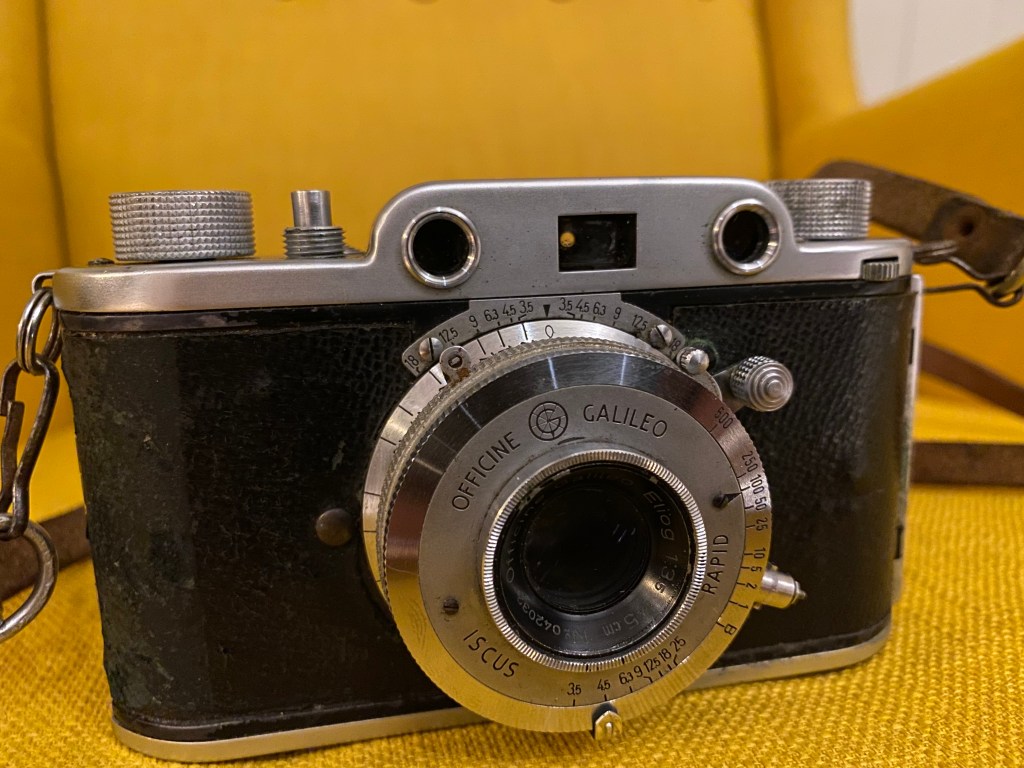
My dirty and somewhat tatty copy of the Condor I.

The first thing that really struck me when I played around with this camera, was the unusual selection of aperture stops. 3,5 and 4,5 are not that strange, but 6, 18 and 25 are stops I have never seen before on any manual camera. However, the aperture selector is the only part of this camera that is easy and smooth to operate. It seems to me that this camera has not been used for a long while, and that it will take some «jiggling» and maybe some sewing machine oil to get the focusing mechanism and the shutter speed dial to move with ease.

Reklamer

After cleaning both the rangefinder windows (there are two of them on this camera) and the viewfinder window as well as a light wash with some glass cleaner over the whole camera, I loaded it with a roll of Rollei Retro 400s. Previously this day, I had spotted two lines of bicycle stands that I thought had an interesting look to them. I decided to shoot some frames, cut the film out of the camera and develop the film to check whether it does work.

So far so good, I shot some frames and went home ready for developing the film. I loaded everything I needed into the changing bag and cut the film out of the camera as intended. But for some weird reason, the take-up spool would not accept the «rewind setting» and roll backwards. I fiddled a bit with it, and after a little while, the film spun up into my hand, and I was able to carefully wind it off manually. It does seem, however, that I was not able to do this carefully enough. I got nasty scratches and marks on my negatives, and I can only blame myself.
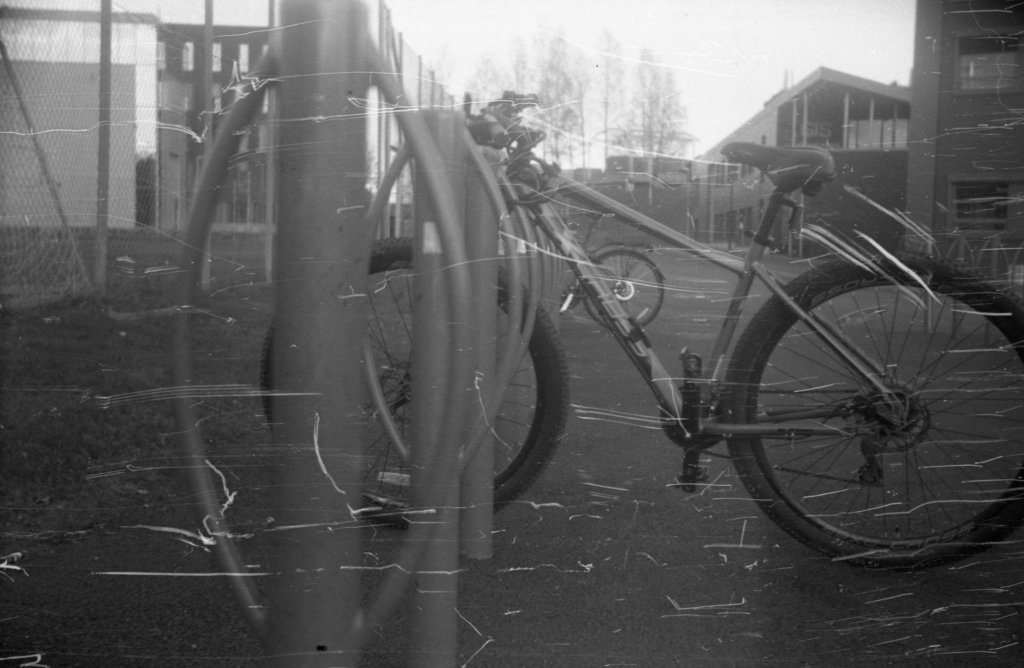
Condor I – Rollei Retro 400s – Xtol 1+0 9.30 at 20 degrees

The nasty scratches aside, the lens seems very sharp and the exposures fairly accurate from what I would expect with the settings. All shots are f4,5 at 1/100th and the Rollei film is shot at box speed. Also, the I love the smoothness of the grain I see in these scans.

I do definitely have to take this camera on a new test. The images seem to be decently sharp and pleasant for a messed up shoot like this. I’ll make a video about this little quirky camera and my next time shooting it.

Derelict train station

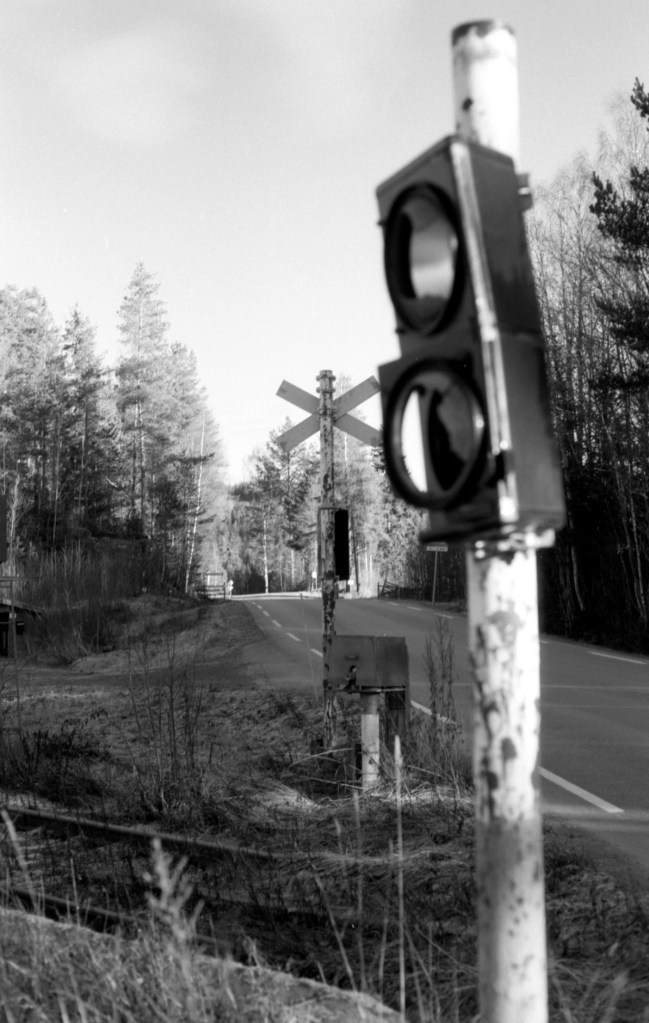
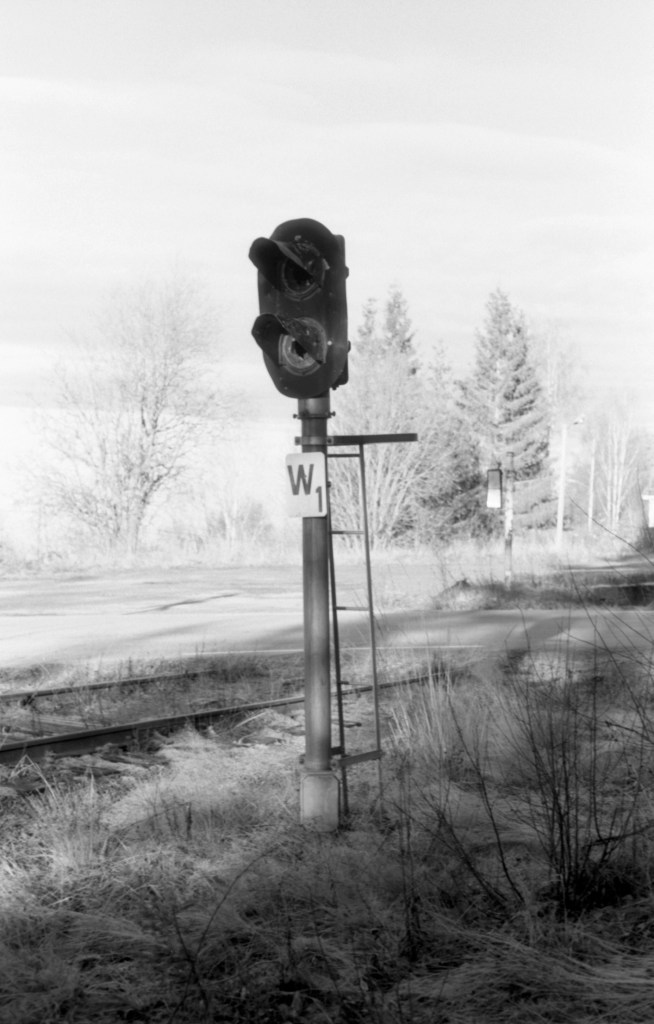
I’ve always had a fascination for derelict buildings and other traces of human civilization that is let aside and forgotten. Today, I brought out one of my good friends, the Olympus OM-1, to an old, derelict train station a short drive from where I live. I equipped the Olympus with a roll of Fomapan 100 and the razor sharp 50mm Zukio 1,8 lens. I brought with me a selection of colored filters to boost contrast and play with the light in the lifting sun and shifting blue skies.

Valdresbanen, the railway I worked by, was closed for passenger traffic in 1988. Some freight trains were ran there later, but the old station buildings have been untouched since this time. Quite sad to think about the number of shut down railways in Norway really. Nevertheless, the old buildings are still characteristic and beautiful in their own way.

Today, I went to Fall station which is very close to Hov in Søndre Land municipality. This was never a big and populous station, and the only building there is a little shed where people would wait for their train to arrive. The main station building was burned down in 1982 by the Norwegian railway company and the shed was built after that. I have shot portraits at and around this location multiple times, but I have never before gone there to explore the location as a subject of its own.

Reklamer

I have never tested out the filters I used today, so I did a lot of bracketing to understand how they work and see how to best compensate for their function. I only got to use the yellow and the orange filters, as they were what I found to match the lighting and location the best.

I did some playing around with different items left aside by the old railway, and did heavy bracketing. I figured that the Orange filter needs two stops of compensation, while the yellow needs a bit more than one from how I interpret my negatives.

Working with dark colored filters can be a bit challenging due to the light loss, and hence difficulties to focus. With the Olympus, however, I found that working with colored filters were a dream. The viewfinder is wide and bright, and there was never any difficulties getting the focus where I wanted it with either the yellow or the orange filter.

The foggy train station lies up a steep hill, and at the bottom of this hill it was a hazy and relatively thick fog, removing pretty much all background scenery from many of my images. The station itself, however, was above the fog, and was shining for itself in the misty and cold morning light.

Reklamer

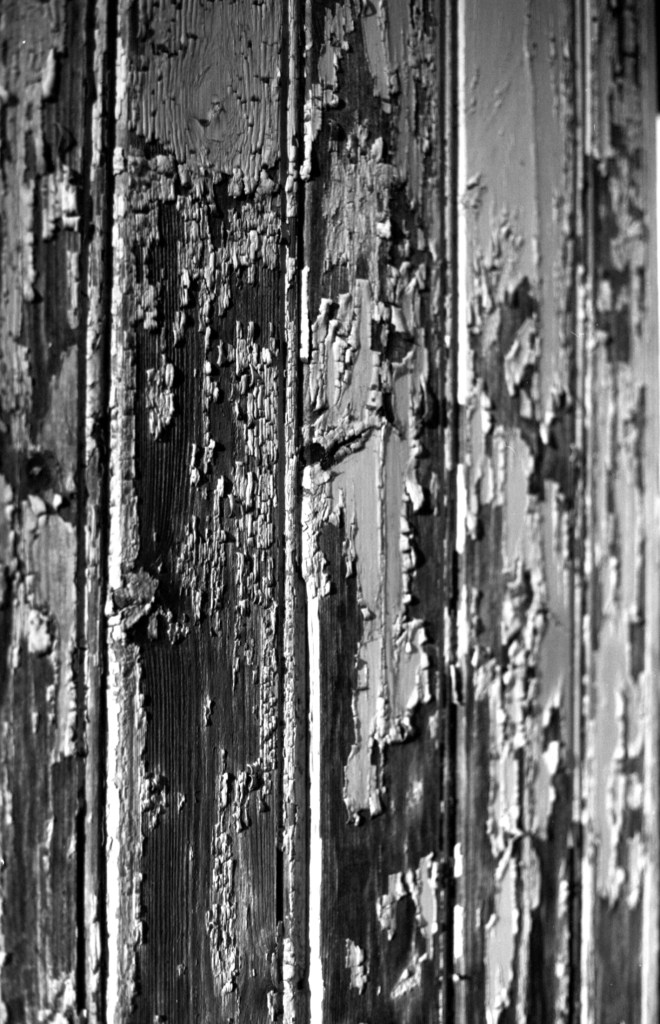
I also shot an image of some crackled paint on the station building. I chose to shoot this with the yellow filter and I went all the way down to f2,8 to get a very shallow depth of field, but retain some sharpness. I haven’t tried this lens at f1,8, and even though I guess it would work very well, I did not want to risk a too shallow depth on this one. I forgot to note down my shutter speed for this image, so that information is not provided.

Crackled paint – Olympus OM-1, Zukio 50mm f1,8 – f2.8. Fomapan 100, Xtol 1+0. yellow filter

All in all, I enjoyed this little shoot, and I once again remembered why I love to shoot the Olympus. This is such a pleasant camera to use and its handy size and bright viewfinder makes it a great choice for all kinds of shoots.

All images are unedited scans from my Epson V600.

Playing with KODAK Ektar

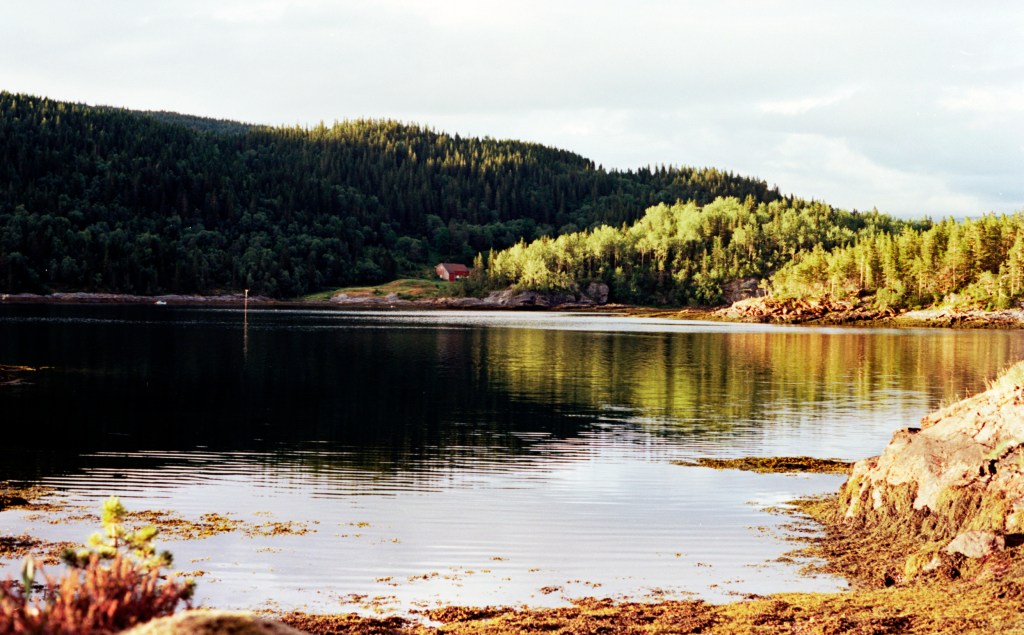
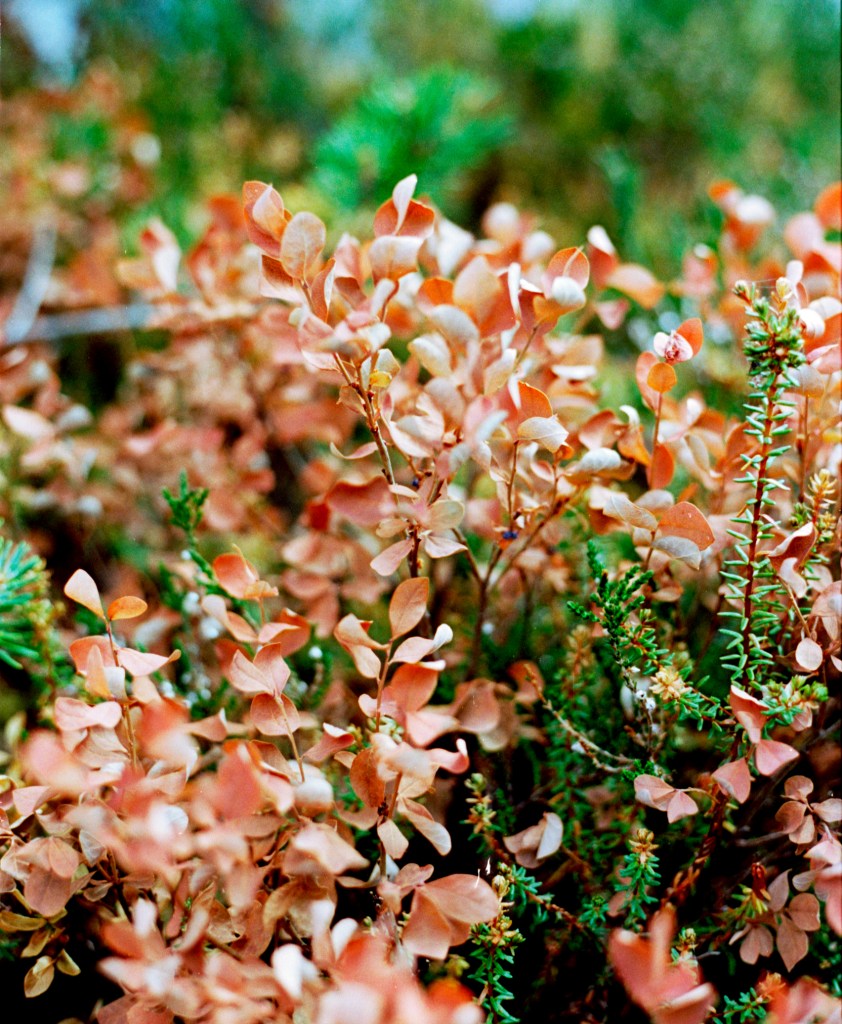
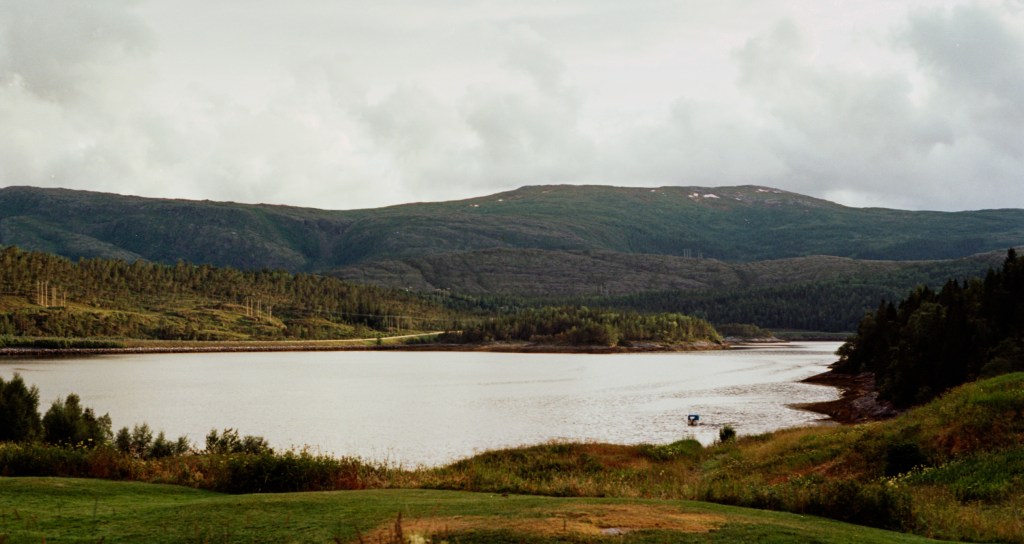
This has been a special year for all of us. Covid 19 has turned everything upside down, and we are more home bound than we usually are. Because of this, I decided to go on holiday in Norway this year, and appreciate the Norwegian nature with some old, cheap equipment and some rolls of KODAK Ektar.

First up, was my Olympus OM-1 and the amazing Zukio 50mm lens. Not a very cheap camera you might say, but I managed to get my OM-1 shipped shipped to Norway for just around 70 euros. That is a real bargain considering the quality and value in use.

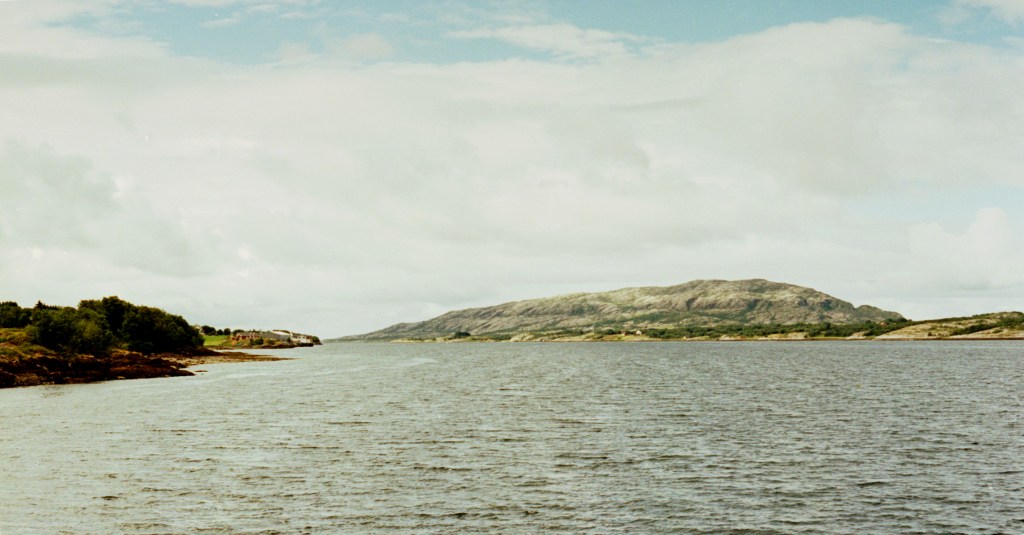
These shots are from the area around Brønnøysund in Northern Norway. Closer description as image text.

All images are developed with the Tetenal C41 home development Kit, and scanned with my PlusTek Opticfilm 8100.