
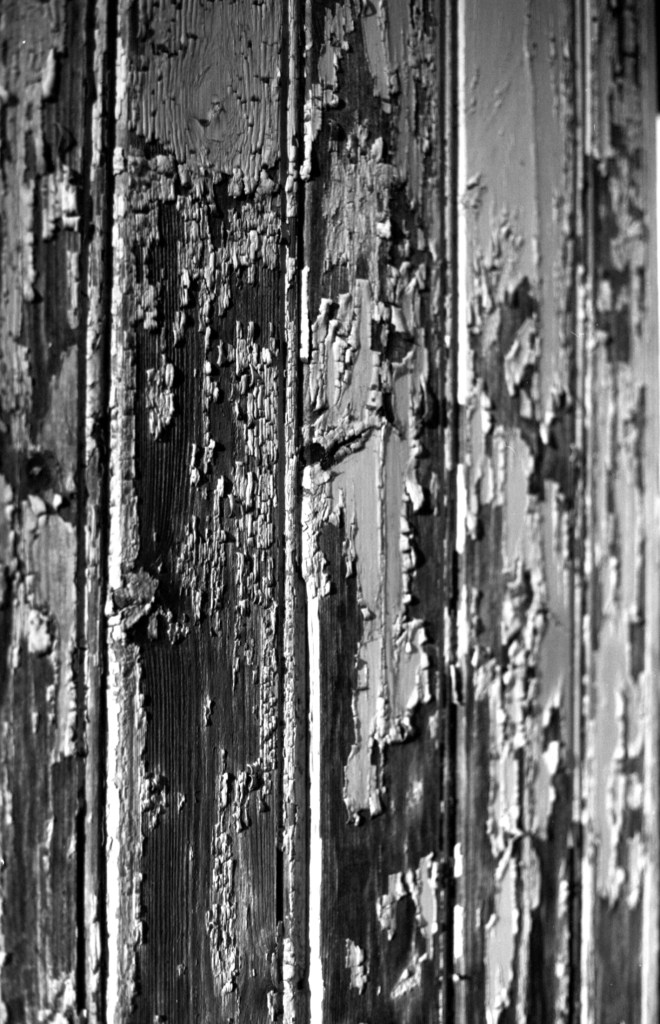
If you have followed me over the last months, you know that I bought a 100ft roll of Agfa APX100 a while back. It was the cheapest film available on the market and I was curious about how the film would work for me and my type of photography. So far, I have not really had a lot of success with it. I have studied the data-sheet for the film and I have tried it out in different situations. Some of the unlucky shoots have been due to poor bulk-loading skills or bad cassettes, and some has been due to my lack of understanding of how the film works. This time, however, I went a completely different direction. Instead of shooting landscapes, I went for an abandoned railroad track and I chose a very sunny and contrasty day to get deep contrasts and shadows in my images.
After many headaches with very grainy images, even when using fine grain developers such as ID-11, I chose to just embrace the grain and develop with Rodinal. I have used Rodinal with this film before, and I must say that from my experience with this film, after shooting it in different conditions and with different subjects, I find Rodinal to be the best developer with it. It actually produces a finer and less pronounced grain with Rodinal 1+100 than it does with ID-11.

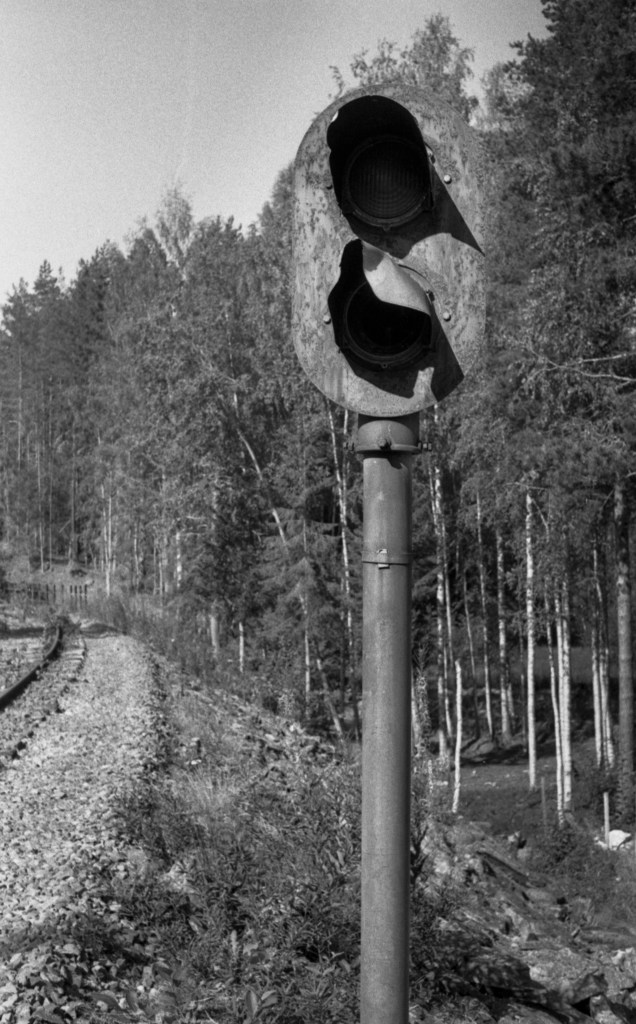
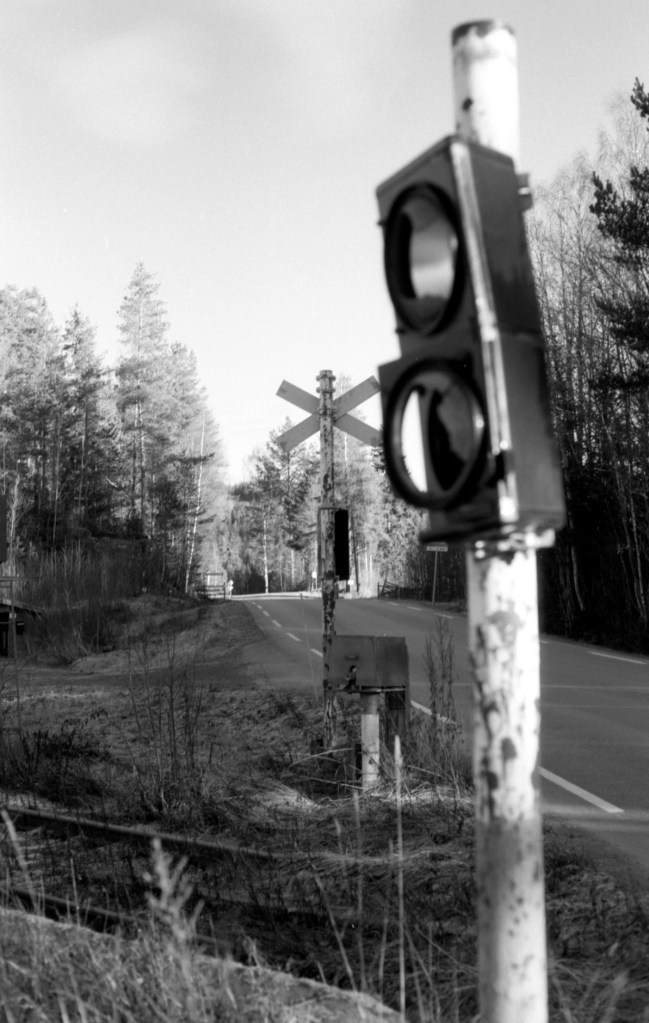
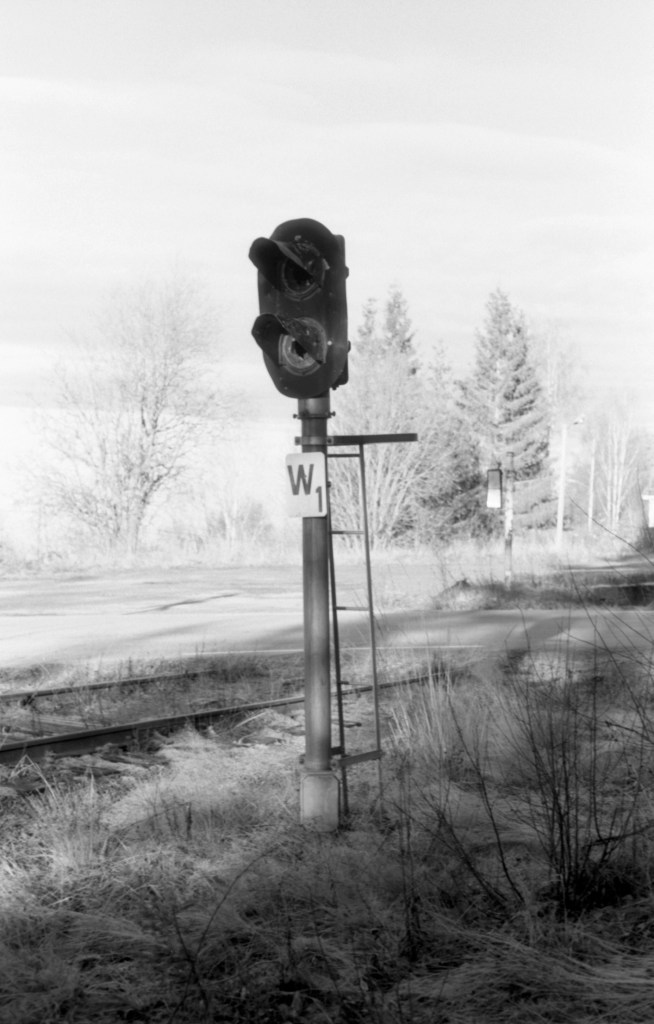
Shooting vegetation with this film is not the best idea. It seems to be rather over sensitive to certain tones of green and gives a very mushy feel on all types of vegetation without any real separation. However, when shooting metal and dead objects, the film seems to produce rather beautiful contrast and lovely sharpness. I would think this film would be ideal for street photography with good light as it really works for this kind of shoot. It does benefit from a slight overexposure of one stop and the development process with Rodinal seems to get the most out of the contrasts in this film. Not that I am in any way pretending to be a master film reviewer.
I chose the Petri Racer for this outing. This camera is a small rangefinder camera made in the 1960s by the Japanese company Petri. A much forgotten brand today, they are really nice and quirky little cameras with mostly working rangefinder units even after about 60 years of use. The Petri was also the first camera I featured on this blog back in 2018 when the blog was new. I find that the world looks really nice through the lens of a Petri Racer, and it is a camera that I really enjoy using.
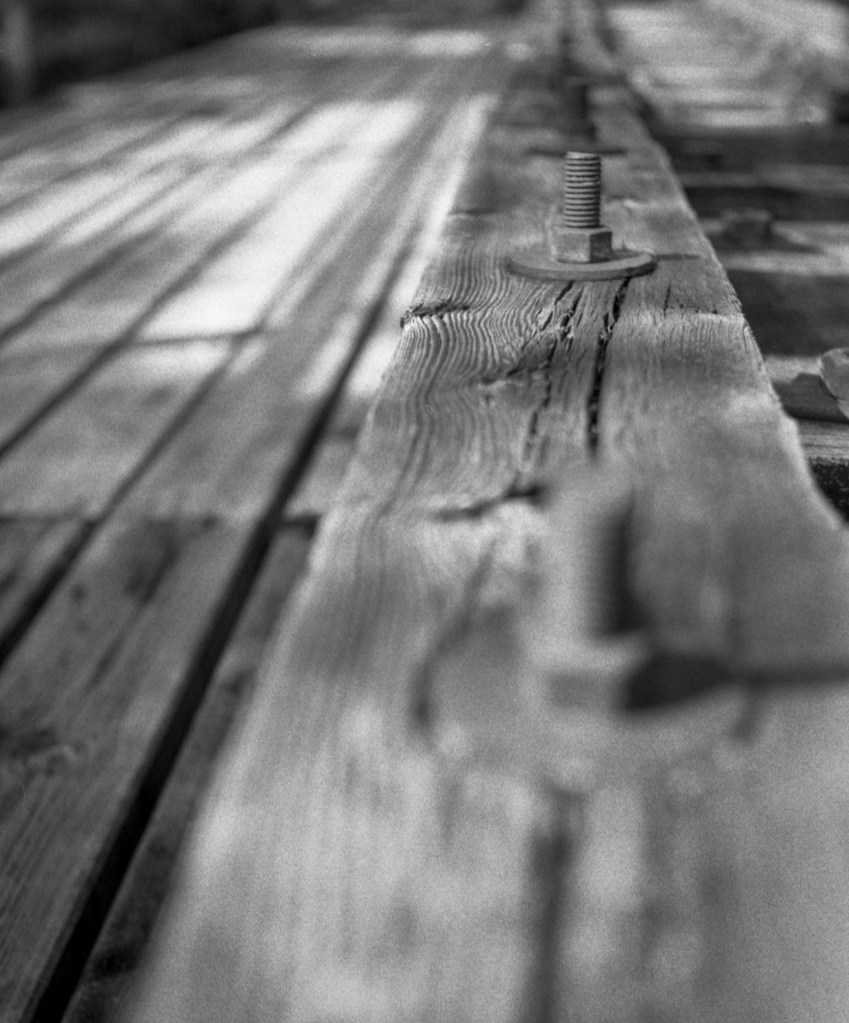
Shooting railroad track details is not something I do very often, but I really enjoyed the outing. I also found that finally I had some decent results with the Agfa film, where I was actually happy with the images I captured. My initial goal for the trip was to make three darkroom prints that I was happy with. And this time, I did succeed.

Shooting a very cheap film with a very simple camera does indeed make sense as well. I would think that most users of simple cameras like this would generally use cheaper films such as Kodak Colorplus and Fuji C200 for color and Fomapan or Agfa for black and white. For my personal taste, I find the Fomapan to be the better option of the latter, but as I mentioned earlier, I can see that the Agfa would make sense to use if you were shooting a lot of urban, street and architecture and you want the raw effect of this film.
Would I recommend the APX100? To some extent. It for sure is a decent film and if you are mainly snapping around as you go, you would probably be very satisfied with this film. However, if you are shooting a lot of landscapes, I would rather go for the Fomapan 100 which I find to work better for vegetation. And yes, develop with Rodinal.



 Cheap Camera Adventures