
The analog camera market is very focused around a few certain brands and models such as the Leicas, Nikons, Hasselblads and Zeiss’s. But cameras that does not hit the «name requirement» can be just as good and fun to shoot with. Today, I went out to a flea market run by some friends and I found a little interesting camera that I just had to buy. The camera in question was produced from 1957 to 1961 in Germany. With such a short production span, only four years, it is an interesting little camera that probably didn’t hit the market as well as its producer would have hoped.
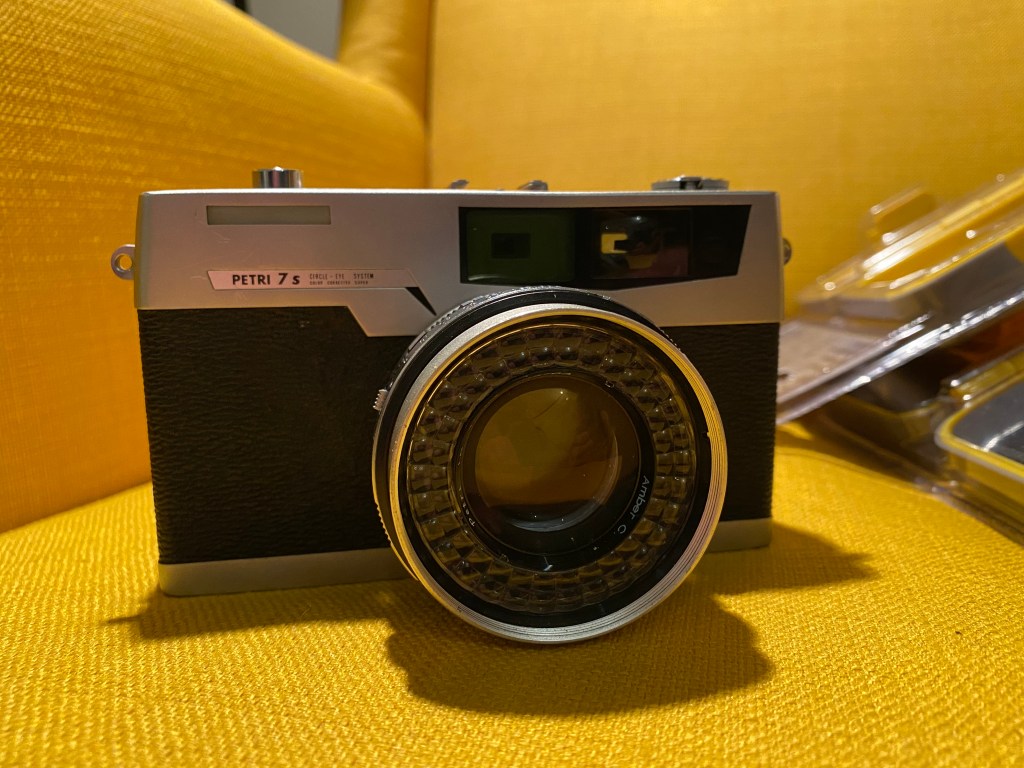
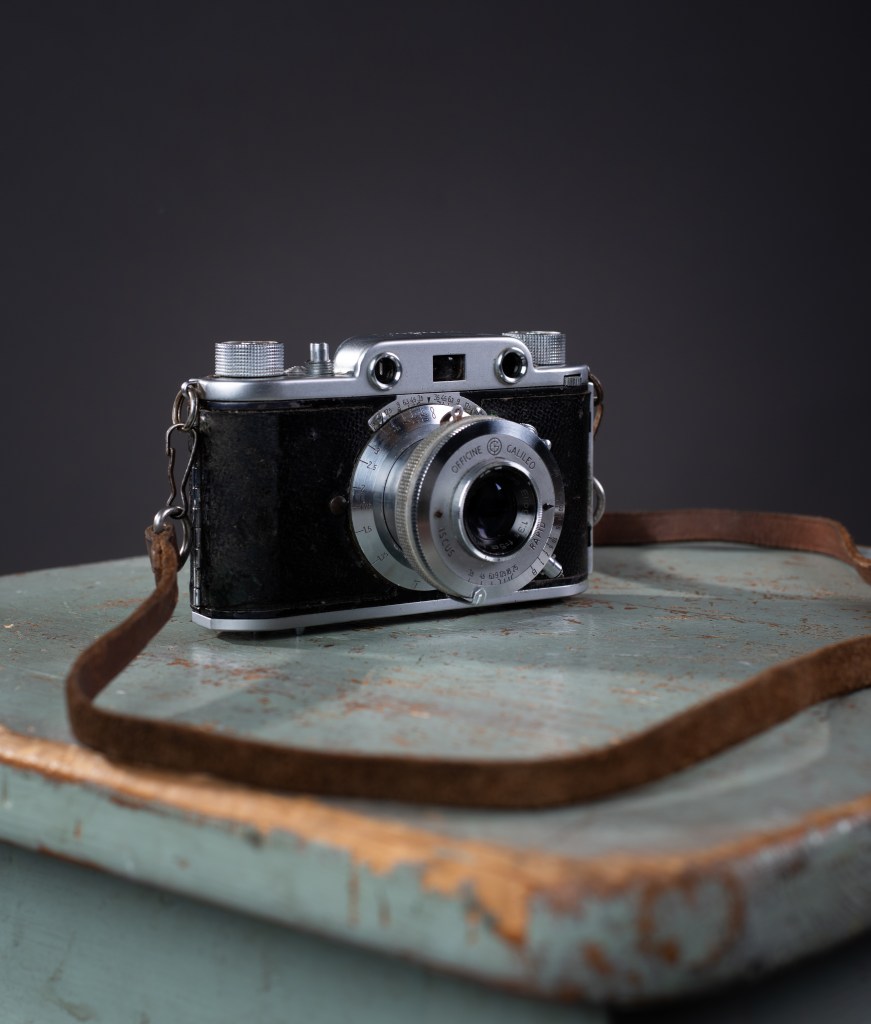
The camera is an AGFA AMBI SILETTE. A little rangefinder camera with interchangeable lenses and some very clever patents on it. The camera has a Synchro Compur leaf shutter and its highest shutter speed is 1/500th second. When changing between lenses, you can use a little switch on the top to set the viewfinder up with different lines to help you compose while using the rangefinder unit. I found the rangefinder on this camera to work beautifully even after all these years, and the main lens, the 50mm f2.8 Color Solinar is clean and appears to be rather sharp based on this test. The tele lens that also came with it, the 90mm, has severe fungus on it, and I’d guess it would affect the image quality, although, I have not really tried it.

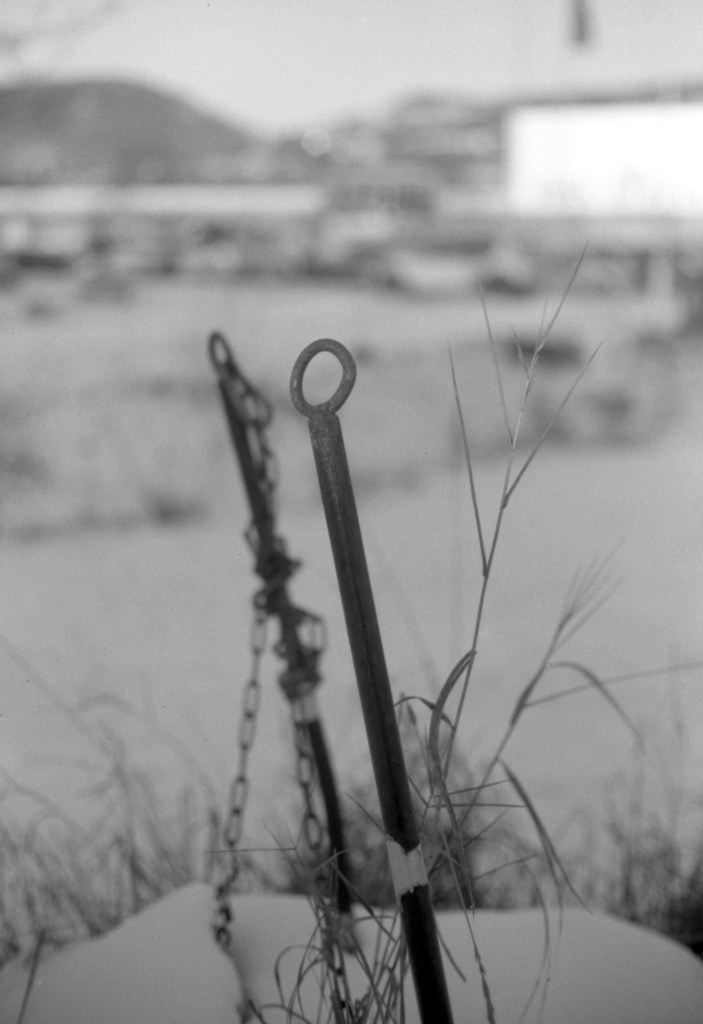
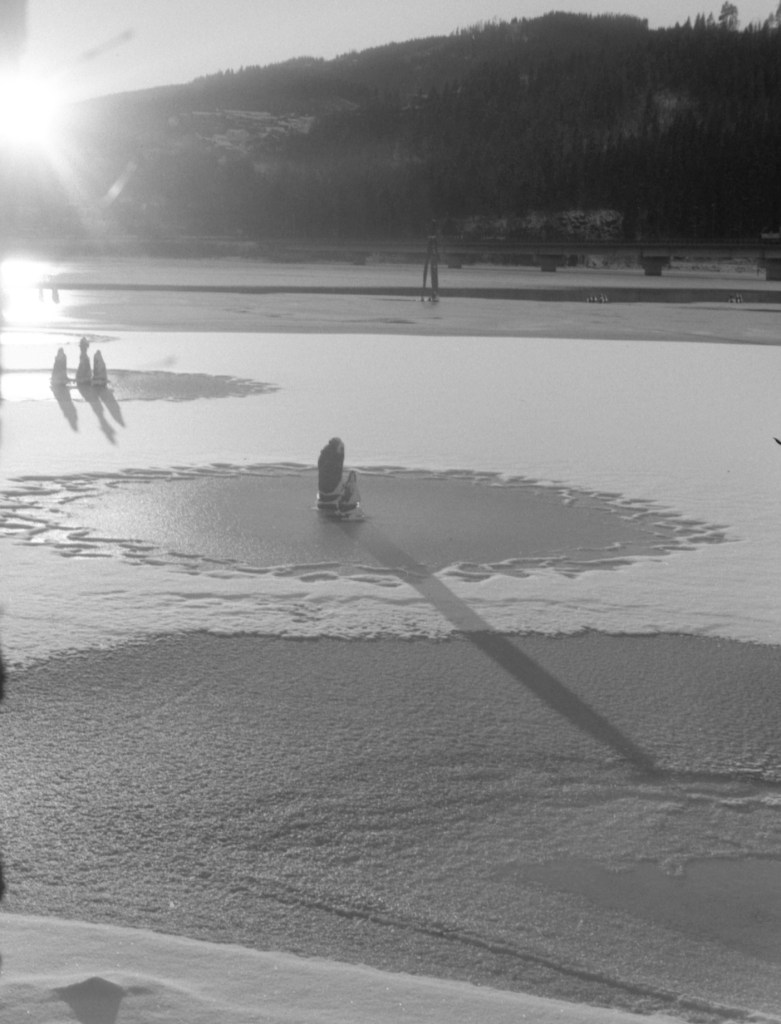
Since I knew that a camera purchase would be a possibility, I brought along a roll of Fomapan 100 and two camera batteries. The Agfa is fully mechanical, so the batteries were not used, but I loaded the roll of Fomapan 100 and went for a little walk at Husodden, to try it out and see how it felt to use. Mind you, I hadn’t really read anything about this camera in advance and I had not even heard about this particular model. So this is a true first impression entry.
My first little quest, was realizing that the rangefinder and viewfinder is hidden behind a little covering lid that you have to flap open before using it. This is a really clever invention both because it protects the cleanliness of the glass behind it, but also because it works as a sun shield making focusing easy and smooth without any disturbing sun-glare. After that, the camera is very straight forward and simple to use.

Age is noticeable on this camera, but it seems like it just will need some use to get back into life. Both shutter speeds and aperture settings seem to be in reasonable working order, but I did not try the longer shutter speeds this time as I shot hand held in the September sunshine. My guess is that shutter lag will be present from shutter speeds lower than 1/60th and that the lens will show diffraction at f22. But this must be for another time.
The most important error I found with this camera, was the fact that my first shots were all double exposed, and I only got a few decent shots on my roll. This seems to be some lag due to lack of use, and I am sure this will sort itself out with some use. I will not give this camera a CLA. That would probably cost more than the camera is worth in 2021 money.

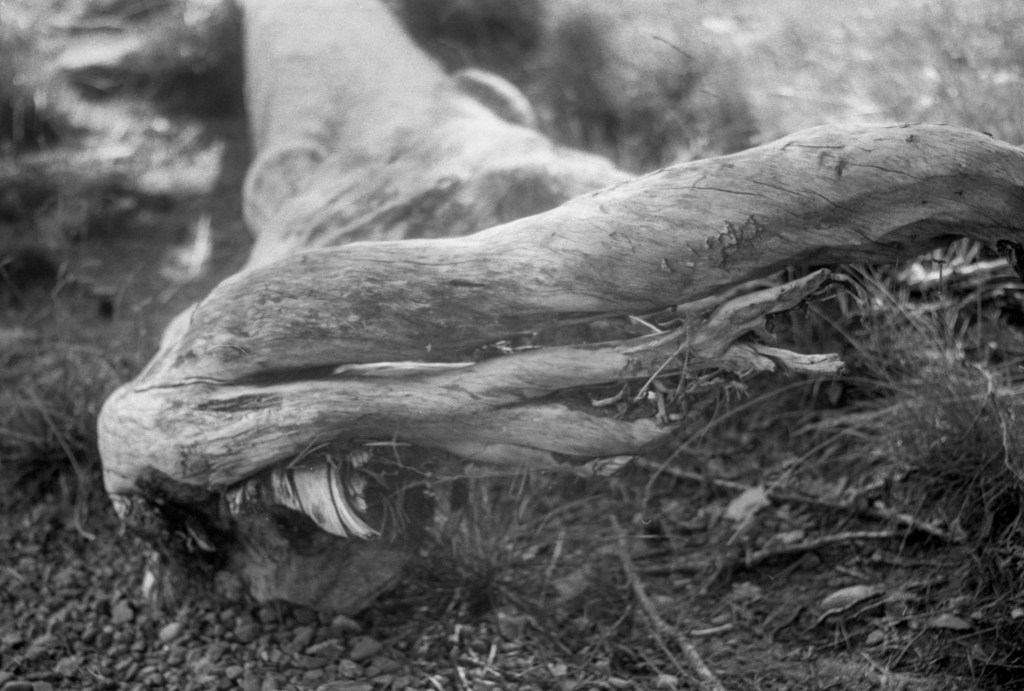
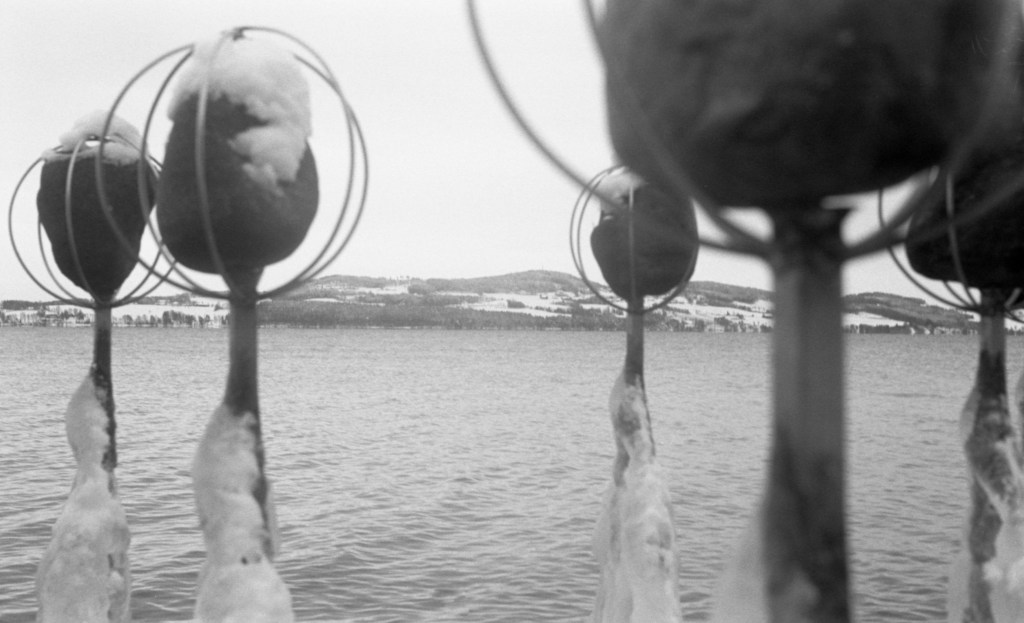
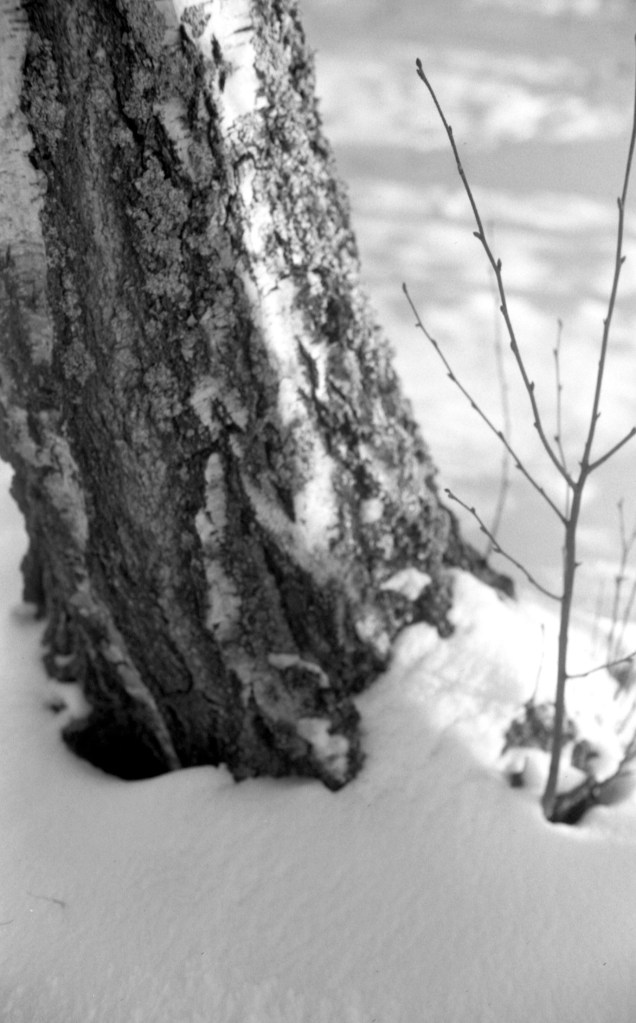
The shot above, was the first shot on the roll that turned out to be just exposed once, and no images after this one showed any sign of double exposure. This leads me to believe that there probably isn’t anything wrong with the film advance other than lack of use.
The focus ring was light, but still firm and very pleasant to use, as well were the rings for setting shutter speeds and aperture opening. The camera seems to have been very well looked after and I believe it to have been serviced before it was stored. It can indeed seem like that. The back door on the camera is somewhat sticky, and the camera came with one of those horrendous leather cases that looks good enough, but makes loading and unloading film very unpractical and the camera bulky and larger than necessary to use. I took it out of the leather case when I used it, and there are no signs of light leaks from the camera.
All in all, the little outing with the Agfa was a fun experience, and I will definitely be shooting this camera again. The only slight annoyance is the patent for rewinding the film. It is one of those that doesn’t have a lever for rewinding but just a small knob that you wear your fingers off while using. But with a camera this good, it is worth some sore fingers.







 Cheap Camera Adventures