Trying Infrared

A while back, I bought a few rolls of Ilford SFX 200 and shot it with a red filter. A normal red filter, as you would use for normal films. I likes the results and I decided that I wanted to take it one step further and try out the invisible spectrum. I bought a few rolls of Rollei INFRARED 400 and began looking into tips and ideas for dealing with infrared photography. I soon learned that what I thought to be infrared films were actually just normal films with an extended red-sensitivity and that it didn’t really go into the proper Infrared spectrum.

My first decision was that I wanted to try this out with my best equipment. I opted for my medium format cameras, the Bronica ETR and the Hasselblad 500c and bought a filter that would fit both of them. A relatively simple an straight forward 720nm filter off eBay, the brand is Greene or something along those lines and it seems to work very well. Although, no filter factor was provided, so for this round I only did two compositions and bracketed a lot to get to know the filter somewhat. From my experimenting, I found that the correct compensation for this filter is about six stops.

A little forest scene – Hasselblad 500c w 80mm Planar f2,8 – Rollei Infrared 400 Ilford ID-11 – f11 4 seconds

My first idea for this tryout was heading towards a little river passing not far from where I live. The area around the river was too overgrown for me to get any shots of at this point, so I decided to go for a forest scene for my first composition. The exposure time got into the multiple seconds, and the one I was most pleased with was the one at 4 seconds. It gave me the infrared effect that I was looking for.

I then moved on to look at the view over Gåstjernet, a little pond in the same area, and I noticed how nicely the clouds reflected in the water, framing the landscape very nicely within the 6×6 format. I think this became the stronger of the two compositions and I also did the same amount of bracketing on this.

Gåstjernet – Hasselblad 500c w 80mm Planar f2,8 – Rollei Infrared 400 Ilford ID-11 – f16 1 second

My next problem was development. I wanted to use a relatively fine grain developer to get the most out of the effect, and the only one I had mixed was Ilford ID-11. However, there were no instructions on how to use this developer for this particular film so I had to get creative. I extrapolated the Xtol-time, comparing it to other Rollei films and ended up with a development time of nine and a half minutes. This gave me very nice negatives and the ID-11 seems to have worked very well with this emulsion.

An image from a forgotten roll

Sometimes, you shoot a roll of film, and you just put it in a drawer. Either you forget about it or you wait until you have shot more of them before you develop. The other day, I found a roll of Ilford Delta 100 35mm, that I couldn’t remember what I used for. I developed it in Adox Atomal 49, and it turned out to be a film I used at a trip during the summer of 2019 at a landscape photography trip to Veståsen in Nordre Land.

What camera I used, is completely blank to me, but based on the time the roll was exposed, and the quality of the exposures, I would imagine it was either done with my Nikon F80 or the Minolta Dynax SPXi. Here; a beautiful view over the little lake «Akksjøen»:

Summer mood at Akksjøen in Nordre Land – Ilford Delta 100 – Adox Atomal 49

This is one of my first rolls that I have developed with the Adox Atomal 49 developer, and I must say that I am very happy with how this developer makes the images look. The grain is very fine and I get the full film-speed without any issues. In comparison with my other Veryfinegraindeveloper Ilfotec Perceptol, where you have to shave off some of your film speed.

Reklamer

I just quickly wanted to share this picture with you, from a distant past without any Covid-regulations nor fear of a world pandemic.

Playing with KODAK Ektar

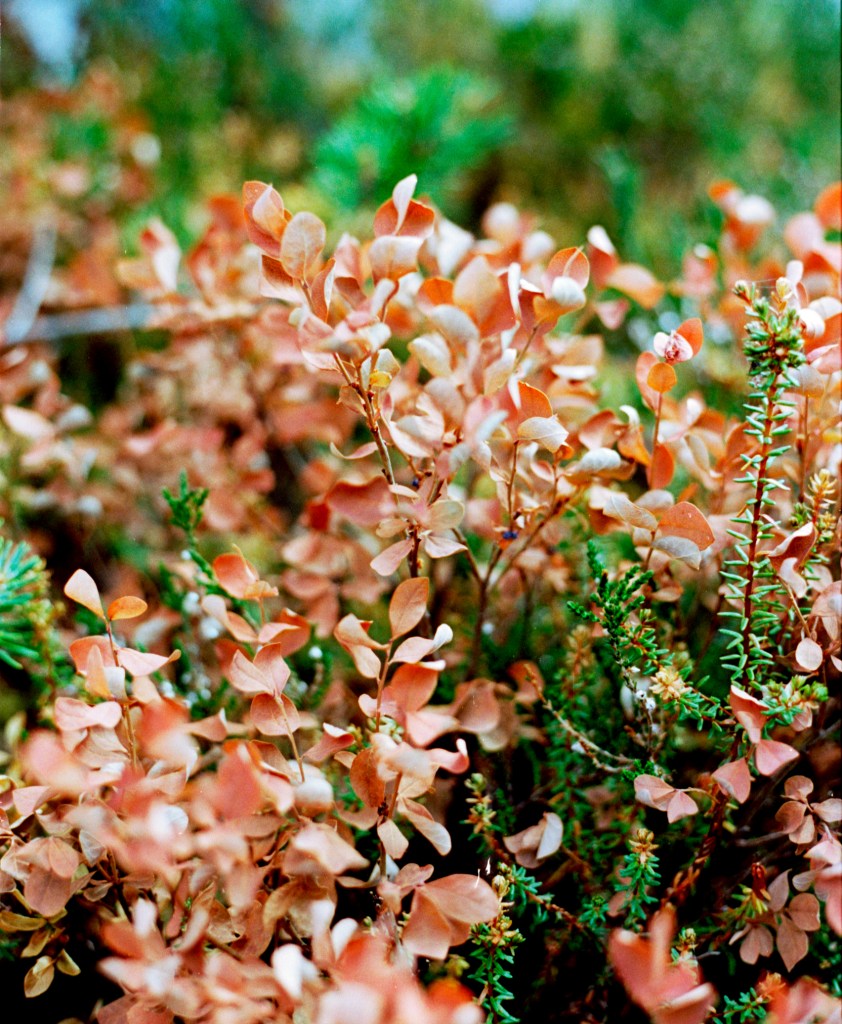
This has been a special year for all of us. Covid 19 has turned everything upside down, and we are more home bound than we usually are. Because of this, I decided to go on holiday in Norway this year, and appreciate the Norwegian nature with some old, cheap equipment and some rolls of KODAK Ektar.

First up, was my Olympus OM-1 and the amazing Zukio 50mm lens. Not a very cheap camera you might say, but I managed to get my OM-1 shipped shipped to Norway for just around 70 euros. That is a real bargain considering the quality and value in use.

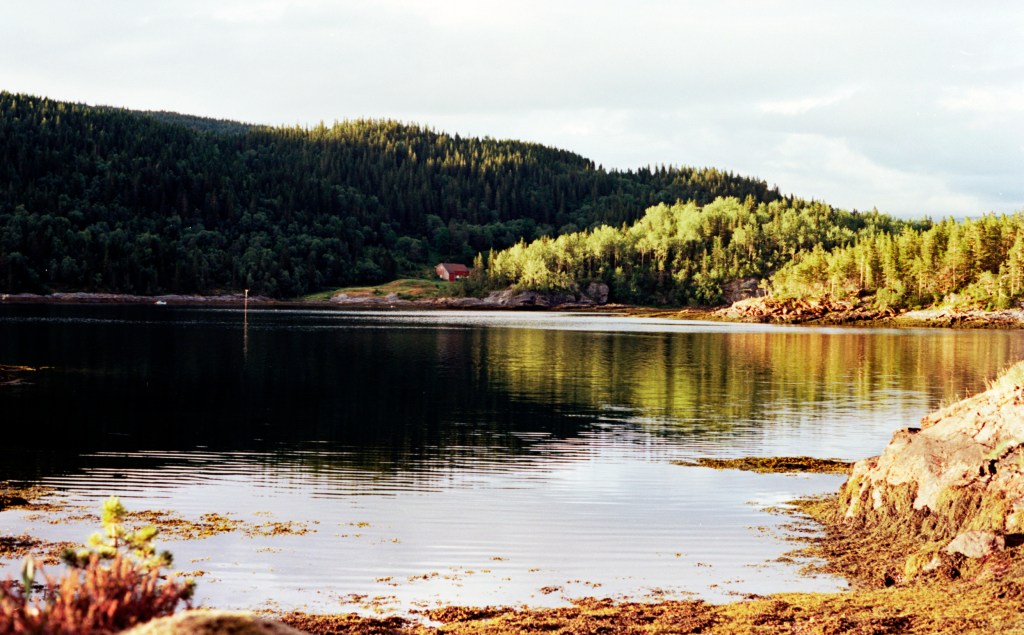
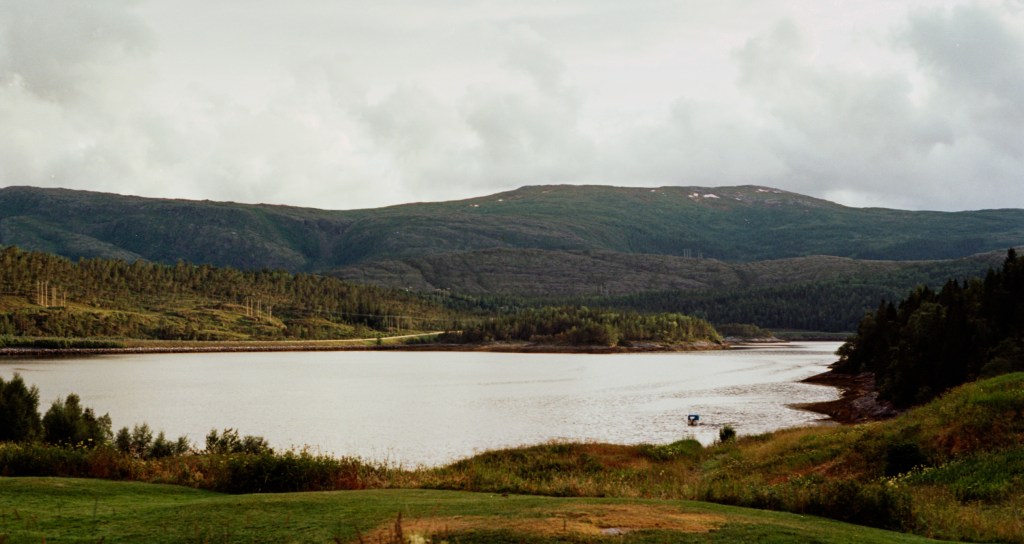
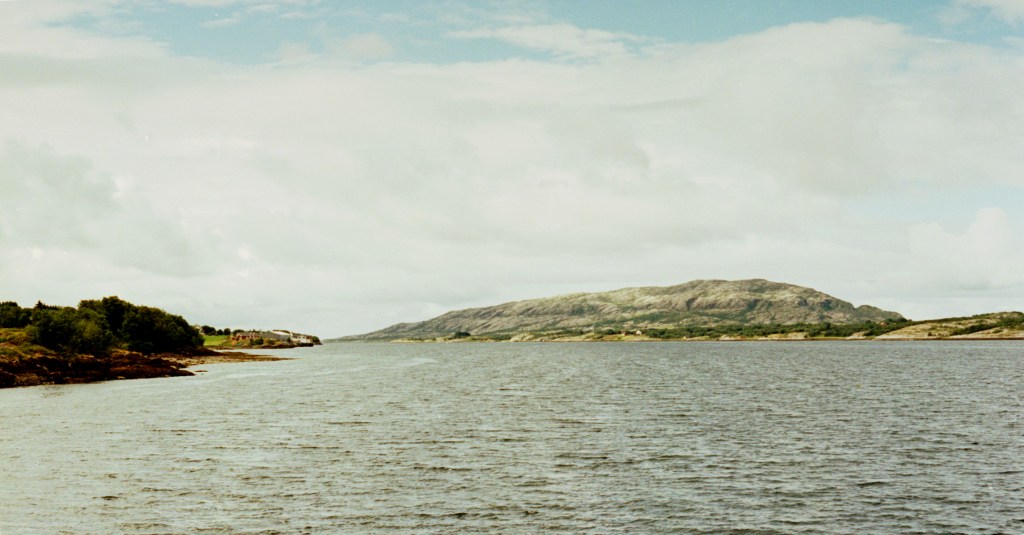
These shots are from the area around Brønnøysund in Northern Norway. Closer description as image text.

All images are developed with the Tetenal C41 home development Kit, and scanned with my PlusTek Opticfilm 8100.

A little walk with the Petri

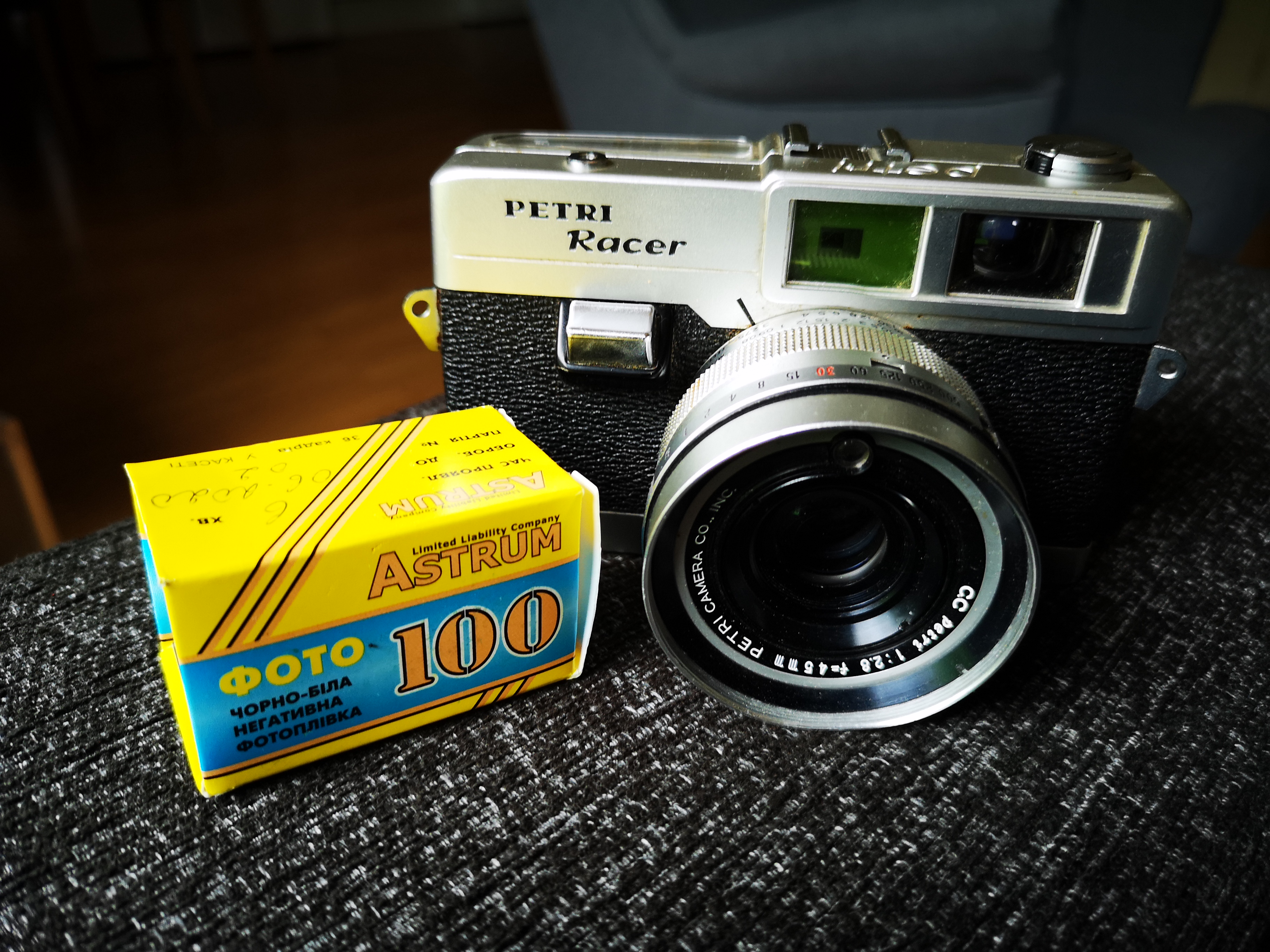
Today, I had a portrait assignment at a local museum ground, and I decided to arrive a bit early to have a little adventure with the Petri before my shoot. A few days ago I got a few interesting films in the mail, and i decided to try one of these films; an Astrum Foto100, from what I understand the company that bought Svema, when they ran out of business.

A documentation picture of the Petri and the Astrum.

I was curious about the Astrum-film, since I had never heard about the brand. Also I could not find development instructions anywhere for Kodak HC110 and Astrum Foto100. After some browsing I found a very interesting blog, where the time 9.45 was suggested for 20 degrees water. My water was 21 degrees, so I ended with 9.02 for the developer.

I shot the film using the sunny 16 rule, or as is more appropriate in Norway, the sunny 11, rule. Our sunlight is not as bright as some other places in the world.

I fired mostly landscape photos, using apertures between f8 and f16, and had a really nice little walk around enjoying the sunshine and the Petri’s company. And when removing the negatives from the tank, I was amazed of the fine grain, range and general quality of the images. Also, the negatives were crystal clear.

A sample photo.

The Astrum Foto100 is definitly a film I will use again, and I’m very surprised that HC110 is not listed as a recomended developer with this film. I have to say I am very happy with my results, and would use this combination again. I am also curious to test a film this great with X-tol or Rodinal.

“Color is everything, black and white is more.”

Dominic Rouse